2026 Digital Literacy: Parents’ 6-Month Plan for Student Success
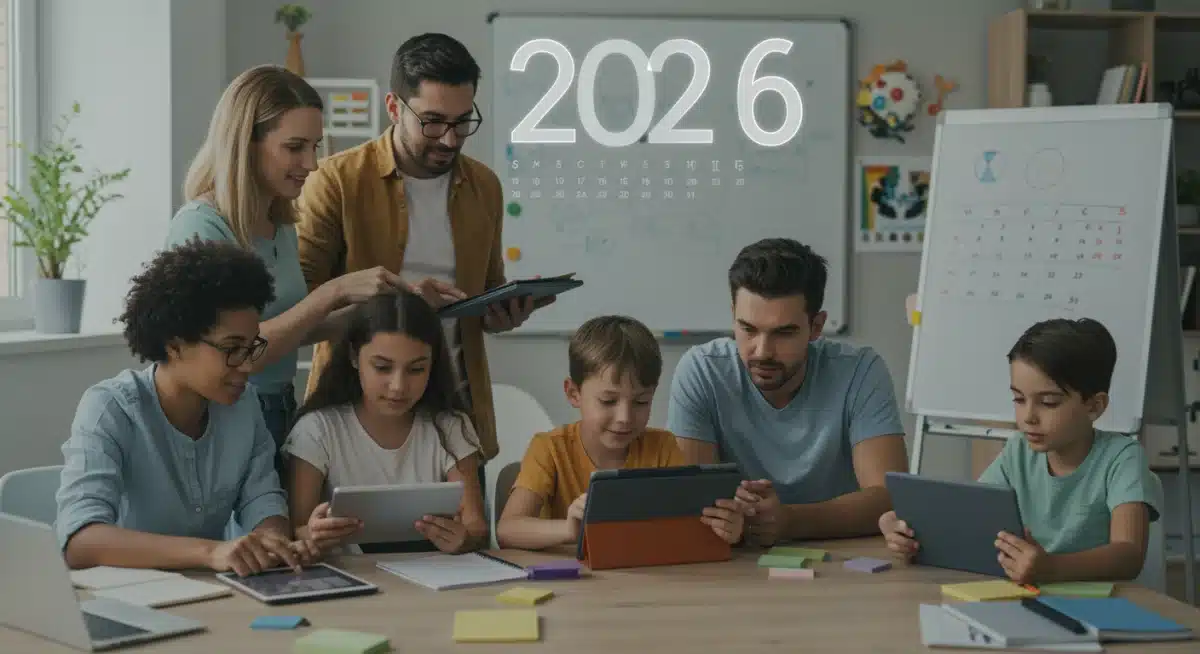
Developing strong digital literacy student success in 2026 requires parents to implement a proactive, structured 6-month action plan focusing on critical thinking, online safety, and responsible technology use to prepare children for academic and future challenges.
In an increasingly interconnected world, the landscape of education is constantly evolving, making digital literacy student success paramount. As we look towards 2026, the need for students to navigate digital environments effectively, critically, and safely is more critical than ever. This guide provides parents with a practical, step-by-step 6-month action plan designed to empower their children with the essential digital skills needed not just to survive, but to thrive academically and personally.
Understanding Digital Literacy in 2026: More Than Just Tech Skills
Digital literacy in 2026 transcends simple technical proficiency; it encompasses a broad spectrum of abilities that enable individuals to find, evaluate, create, and communicate information using digital technologies, all while understanding the cultural, ethical, and societal implications. For students, this means being adept at everything from using productivity software to discerning credible online sources and protecting their digital footprint. It’s about fostering a mindset of responsible and innovative engagement with technology, not just consuming it passively.
The contemporary educational environment, heavily influenced by hybrid learning models and AI-driven tools, demands that students are not merely users but active participants in the digital sphere. This shift requires parents to move beyond basic computer skills and cultivate a deeper understanding of digital citizenship within their children. It’s a continuous learning process that evolves with technology itself, ensuring students are prepared for both current academic challenges and future career paths.
The Evolving Digital Landscape and Its Demands
The pace of technological change is relentless. What was cutting-edge last year might be standard today. This constant evolution means that digital literacy is not a fixed target but a moving one, requiring ongoing adaptation and learning. Parents must recognize that their children are growing up in a world where digital tools are integral to every aspect of life, from learning to socializing and future employment.
- AI Integration: Understanding AI’s role in education and daily life.
- Data Privacy: Knowing how personal data is collected and used online.
- Cybersecurity Basics: Protecting devices and information from threats.
- Digital Communication: Mastering effective and respectful online interactions.
Why Parents are Key: Guiding the Digital Journey
While schools play a vital role, parents are the primary guides in shaping their children’s digital habits and understanding. Home environments offer unique opportunities for hands-on learning and personalized guidance that classrooms cannot always provide. Establishing a strong foundation of digital literacy at home empowers children to make informed decisions independently, fostering resilience and critical thinking in online spaces. This parental involvement will significantly contribute to their children’s overall well-being and academic success in 2026 and beyond.
Month 1-2: Laying the Foundation – Digital Citizenship and Safety
The initial phase of this 6-month plan focuses on establishing a strong foundation in digital citizenship and online safety. These elements are non-negotiable in 2026, where children are exposed to vast amounts of information and various online interactions. It’s not about instilling fear, but rather equipping them with the knowledge and critical thinking skills to navigate potential risks confidently. Open communication is paramount during this stage.
Begin by having honest conversations about what it means to be a good digital citizen. Discuss the permanence of online content, the importance of respectful communication, and the potential consequences of sharing personal information. This foundational understanding will serve as a bedrock for all subsequent digital learning.
Establishing Digital Ground Rules and Family Media Plans
Creating clear expectations and boundaries around technology use is essential. A family media plan, collaboratively developed, can help define screen time limits, appropriate content, and safe online spaces. This isn’t about restriction but about promoting healthy digital habits and ensuring a balanced lifestyle.
- Set Screen Time Limits: Agree on daily or weekly allowances for various devices.
- Identify Safe Online Platforms: Research and approve age-appropriate websites and apps.
- Discuss Privacy Settings: Teach children how to manage privacy on social media and other platforms.
- Model Good Behavior: Parents should also adhere to digital etiquette and limits.
Understanding Cyber Risks and Prevention
Educating children about common cyber threats, such as phishing, cyberbullying, and misinformation, is crucial. This involves teaching them how to identify suspicious links, recognize manipulative content, and understand the importance of strong, unique passwords. Role-playing scenarios can be an effective way to practice these skills in a safe environment.
Regular check-ins about their online experiences, without judgment, encourage children to confide in parents if they encounter anything uncomfortable or concerning. This proactive approach builds trust and ensures that parents are aware of potential issues before they escalate, reinforcing the importance of digital literacy student success.
Month 3-4: Developing Critical Thinking and Information Literacy
Once the foundations of digital citizenship and safety are in place, the next two months shift focus to cultivating critical thinking and information literacy. In 2026, the sheer volume of information available online makes it imperative for students to be able to evaluate sources, distinguish fact from fiction, and understand different perspectives. This skill set is vital for academic research, informed decision-making, and resisting the spread of misinformation.
Encourage your child to question everything they encounter online. Who created this content? What is their agenda? Is this information supported by evidence? These questions form the basis of a critical approach to digital information. Integrate these discussions into daily life, perhaps by analyzing news articles or social media posts together.

Evaluating Online Sources and Combating Misinformation
Teach children practical strategies for evaluating the credibility of online sources. This includes checking the author’s credentials, the publication date, the website’s domain, and cross-referencing information with multiple reputable sources. Tools like fact-checking websites can also be introduced as valuable resources.
- Source Verification: Teach how to identify reliable websites (.gov, .edu, reputable news).
- Bias Recognition: Discuss how authors’ perspectives can influence content.
- Fact-Checking Tools: Introduce sites like Snopes or PolitiFact for verification.
- Lateral Reading: Encourage opening multiple tabs to research the source itself.
Understanding Digital Footprints and Reputation Management
Discuss the concept of a digital footprint—the trail of data left by online activity—and its long-term implications. Help children understand that what they post online can have lasting consequences on their reputation, both academically and professionally. This awareness fosters a sense of responsibility for their online actions.
Practical exercises, such as searching for their own names online (with supervision), can illustrate the visibility of their digital presence. Teach them how to manage their online identity proactively, including reviewing privacy settings and being mindful of what they share. This prepares them for future academic and career opportunities where their online persona might be scrutinized, directly impacting their digital literacy student success.
Month 5-6: Cultivating Digital Creativity and Collaboration
The final phase of the 6-month plan focuses on harnessing digital tools for creativity, innovation, and collaboration. Beyond consuming information, students in 2026 are expected to be creators and collaborators, using technology to express ideas, solve problems, and work effectively with others. This stage encourages active engagement with digital platforms as tools for learning and personal growth.
Encourage projects that involve digital creation, whether it’s designing a presentation, editing a video, coding a simple game, or creating a digital story. These activities not only build technical skills but also foster problem-solving, critical thinking, and artistic expression, which are crucial for digital literacy student success.
Exploring Digital Tools for Learning and Expression
Introduce your child to various digital tools that support learning and creative expression. This could include word processing software, presentation tools, graphic design applications, video editing suites, or even basic coding platforms. The goal is to make them comfortable experimenting and finding the right tool for different tasks.
- Presentation Software: Mastering tools like PowerPoint, Google Slides, or Prezi.
- Digital Storytelling: Using apps to create interactive narratives.
- Basic Coding: Exploring platforms like Scratch to understand programming logic.
- Multimedia Creation: Experimenting with video and audio editing for school projects.
Collaborative Digital Projects and Online Etiquette
Facilitate opportunities for your child to engage in collaborative digital projects, either with peers or family members. This could involve working together on a shared document, contributing to a group presentation, or participating in online study groups. Emphasize the importance of effective communication, active listening, and respectful feedback in these digital environments.
Discuss the etiquette of online collaboration, such as giving credit where it’s due, managing conflicts constructively, and ensuring everyone’s voice is heard. These skills are invaluable for future academic and professional settings, preparing them for the teamwork often required in a digitally driven world. This practical application of digital tools reinforces the importance of digital literacy student success.
Integrating Digital Literacy into Daily Routines
For digital literacy to truly become second nature, it must be integrated seamlessly into daily life, not treated as a separate subject. This means consistently reinforcing the principles learned throughout the 6-month plan in various contexts. From everyday tasks to homework assignments, there are countless opportunities to practice and refine digital skills and responsible online behavior.
Encourage your child to use digital tools for problem-solving in everyday situations, like researching a family trip, managing a personal budget with a spreadsheet, or learning a new skill through online tutorials. This hands-on application makes learning relevant and reinforces the practical value of digital literacy.
Homework and Research: Beyond the Textbook
Guide your child to leverage digital resources for homework and research, teaching them how to use online databases, academic search engines, and reputable educational websites effectively. Emphasize critical evaluation of information, ensuring they cite sources properly and avoid plagiarism. This transforms digital tools into powerful academic aids.
Discuss the ethical implications of using AI tools for assignments, such as understanding when it’s appropriate for research versus generating content. This dialogue prepares them for the evolving academic integrity standards in 2026, fostering responsible use of advanced technologies.
Family Digital Projects and Continuous Learning
Engage in family digital projects that allow everyone to learn and grow together. This could be creating a family website, editing home videos, or even learning a new coding language as a team. These shared experiences not only build digital skills but also strengthen family bonds and promote a culture of continuous learning.
Stay informed about new technologies and digital trends alongside your child. This shows them that learning is a lifelong process and positions you as a partner in their digital journey. Regularly revisit your family media plan to ensure it remains relevant and effective as technology evolves.
Addressing Challenges and Future-Proofing Skills
Even with a comprehensive plan, challenges will arise. It’s crucial for parents to be prepared to address issues like cyberbullying, excessive screen time, or exposure to inappropriate content with empathy and effective strategies. Furthermore, the rapid pace of technological change means that future-proofing skills is an ongoing process, requiring adaptability and a growth mindset.
Foster an environment where your child feels comfortable discussing any online challenges they face, knowing they will receive support and guidance rather than judgment. This open dialogue is the most powerful tool in navigating the complexities of the digital world and ensuring their sustained digital literacy student success.
Navigating Online Conflicts and Cyberbullying
Equip your child with strategies for dealing with online conflicts and cyberbullying. This includes knowing when to disengage, how to block or report users, and, most importantly, when to seek help from a trusted adult. Reassure them that they are not alone and that there are always solutions.
- Reporting Mechanisms: Teach how to use in-app reporting tools.
- Blocking Unwanted Contacts: Show how to block users across platforms.
- Seeking Adult Help: Emphasize coming to parents or school counselors.
- Digital Empathy: Discuss the impact of words and actions online.
Adapting to Emerging Technologies and AI Ethics
The digital landscape of 2026 will continue to introduce new technologies and ethical dilemmas, particularly concerning artificial intelligence. Encourage your child to approach these advancements with a critical yet open mind, understanding both their potential benefits and their associated risks. Discuss the ethical implications of AI, such as bias in algorithms or privacy concerns.
Promote a mindset of continuous learning and adaptability. The most important skill for the future is the ability to learn new skills. By fostering curiosity and resilience, parents can help their children develop the agility needed to thrive in an ever-changing technological world, ensuring their long-term digital literacy student success.
Measuring Progress and Celebrating Milestones
Throughout this 6-month journey, it’s beneficial to regularly assess your child’s progress and celebrate their achievements. This not only provides positive reinforcement but also helps identify areas where further support might be needed. Progress isn’t always linear, and recognizing effort is just as important as acknowledging mastery.
Create a simple checklist or journal to track the skills your child is developing, from understanding privacy settings to successfully completing a digital project. Small rewards or acknowledgments can motivate them to continue their learning journey. This structured approach ensures that the 6-month plan is effective and tailored to your child’s individual needs.
Informal Assessments and Feedback
Regular, informal conversations are excellent ways to gauge understanding. Ask open-ended questions about their online experiences, what they’ve learned, and any challenges they’ve faced. Provide constructive feedback, focusing on their growth and effort rather than just outcomes. This fosters a safe space for learning and improvement.
- Open Discussions: Regularly talk about online experiences and learning.
- Project Reviews: Discuss completed digital projects, focusing on skills used.
- Self-Reflection: Encourage children to assess their own digital habits.
- Observation: Pay attention to their independent digital interactions.
Adjusting the Plan and Sustaining Momentum
The 6-month plan should be viewed as a living document, adaptable to your child’s evolving needs and interests, as well as new technological developments. If certain areas prove particularly challenging, allocate more time and resources to them. If your child shows a keen interest in a specific digital skill, encourage that exploration.
After the initial 6 months, the goal is to integrate these digital literacy practices into a sustainable lifestyle. Digital literacy is a lifelong journey, and by instilling good habits and a love for learning now, you are setting your child up for continuous digital literacy student success well beyond 2026.
| Key Focus Area | Brief Description |
|---|---|
| Digital Citizenship | Understanding responsible online behavior, ethics, and respectful communication. |
| Online Safety | Learning to identify and avoid cyber threats, protect privacy, and manage digital footprints. |
| Critical Information Literacy | Developing skills to evaluate online sources, distinguish fact from misinformation, and understand bias. |
| Digital Creativity & Collaboration | Using digital tools for creative expression, problem-solving, and effective teamwork. |
Frequently Asked Questions About Digital Literacy for Students
Digital literacy is crucial because technology underpins almost every aspect of modern life and education. Students need these skills to navigate online learning, evaluate information, communicate effectively, and prepare for future careers in a digitally driven world. It ensures they are responsible and effective tech users.
It’s best to start teaching digital literacy as soon as children begin interacting with digital devices. Even young children can learn basic concepts like online safety and respectful communication. The curriculum should evolve with their age and digital exposure, introducing more complex topics over time.
Protection involves open communication, setting clear online rules, teaching them to recognize threats like phishing, and showing them how to block and report inappropriate content or behavior. Encourage them to always come to you if they encounter anything concerning online.
Encourage digital creativity by involving children in projects like creating family videos, designing presentations for school, or exploring basic coding games. Provide access to age-appropriate creative software and platforms, fostering an environment where experimentation with digital tools is encouraged and celebrated.
Parents can stay updated by following reputable tech news outlets, educational technology blogs, and parenting forums focused on digital well-being. Attending school workshops or online webinars on digital literacy can also provide valuable insights and practical strategies for staying current with new developments.
Conclusion
The journey to fostering robust digital literacy student success in 2026 is an ongoing partnership between parents, educators, and students themselves. This 6-month action plan provides a structured yet flexible framework for parents to proactively equip their children with the essential skills needed to navigate the complex digital landscape. By focusing on digital citizenship, critical thinking, online safety, and creative collaboration, parents can empower their children to become responsible, innovative, and successful digital citizens. The investment of time and effort now will yield invaluable dividends in their academic achievements and future readiness, ensuring they thrive in an increasingly connected world.