ACA Enrollment 2026: Record 18 Million Sign-Ups & What It Means

ACA Enrollment 2026: A Landmark Year for Healthcare Access with 18 Million Sign-Ups
The landscape of American healthcare is constantly evolving, and the 2026 enrollment period for the Affordable Care Act (ACA) plans has marked a significant milestone, setting a new record with an astounding 18 million sign-ups. This monumental achievement underscores a growing demand for accessible and affordable health insurance, reflecting both the enduring need for robust healthcare options and the effectiveness of current policies designed to expand coverage. The record-breaking ACA Enrollment 2026 figures are not just statistics; they represent millions of individuals and families gaining peace of mind, access to essential medical services, and a stronger safety net against unforeseen health crises. This blog post delves into the intricacies of this historic enrollment period, exploring the factors that contributed to its success, the profound impact on healthcare accessibility, and what these numbers mean for the future of health policy in the United States.
Understanding the Surge in ACA Enrollment 2026
The record 18 million individuals who secured health coverage through the ACA marketplace in 2026 didn’t do so in a vacuum. Several converging factors played a crucial role in driving this unprecedented surge. A primary driver has been the continued and, in some cases, enhanced financial assistance available through federal subsidies. These subsidies significantly reduce the monthly premiums for many enrollees, making health insurance genuinely affordable for a broader segment of the population. Without these financial cushions, many of the 18 million sign-ups would likely not have materialized, highlighting the critical role of government support in expanding healthcare access.
Beyond subsidies, increased public awareness campaigns have also been instrumental. Efforts to educate the public about the benefits of ACA plans, the availability of financial aid, and the ease of enrollment have reached more people than ever before. These campaigns often target underserved communities and those who might be new to navigating health insurance options, ensuring that the message of affordable coverage resonates widely. Moreover, the lingering effects of global health events have undeniably reshaped public perception of health insurance. The importance of having comprehensive coverage has become clearer than ever, prompting more individuals to prioritize securing health plans, especially when faced with the uncertainties of future health crises.
Furthermore, improvements in the enrollment process itself, including more user-friendly online platforms and expanded in-person assistance, have streamlined the journey for potential enrollees. These technological and logistical enhancements have removed barriers that previously deterred some individuals from signing up, making the process more accessible and less daunting. The cumulative effect of these factors has transformed the ACA Enrollment 2026 period into a landmark event, signaling a robust and growing demand for accessible healthcare.
The Role of Enhanced Subsidies in Boosting Sign-Ups
The enhanced subsidies, initially introduced to mitigate the economic impact of recent crises and subsequently extended, have been a game-changer for the ACA marketplace. These subsidies are designed to lower the cost of health insurance premiums for eligible individuals and families, often making plans significantly more affordable than they would be otherwise. For many, these subsidies mean the difference between being able to afford health insurance and going without. The structure of these subsidies ensures that individuals and families earning up to a certain percentage above the federal poverty level can receive financial assistance, effectively broadening the pool of eligible enrollees.
The impact of these subsidies extends beyond just reducing premiums. They also help to make higher-tier plans, which often come with lower deductibles and out-of-pocket maximums, more attainable. This means that enrollees are not just getting coverage; they are getting more comprehensive and financially protective coverage. The stability and predictability offered by these enhanced subsidies have instilled confidence in the marketplace, encouraging more people to explore their options and ultimately enroll. The success of ACA Enrollment 2026 is inextricably linked to the continued availability and effectiveness of these crucial financial aids, demonstrating a clear correlation between affordability and access.
Demographics of the 18 Million Enrollees
Analyzing the demographics of the 18 million individuals who enrolled in ACA plans in 2026 provides invaluable insights into who is benefiting most from the program and where further efforts might be needed. Early data suggests a continued trend of diverse enrollment, with significant participation from various age groups, income levels, and racial and ethnic backgrounds. Young adults, often a challenging demographic to engage in health insurance enrollment, have shown increased participation, likely due to a combination of affordability, greater awareness, and the recognition of health insurance as a foundational element of financial security.
Furthermore, individuals from lower and middle-income brackets continue to form the backbone of ACA enrollment, a testament to the program’s original intent to provide a safety net for those who might otherwise fall through the cracks of the healthcare system. The expansion of Medicaid in many states has also complemented ACA enrollment, ensuring that a broader spectrum of low-income individuals has access to some form of coverage. Geographically, enrollment trends often mirror population density and state-level policies, with states that have actively promoted ACA enrollment and expanded Medicaid generally seeing higher participation rates. Understanding these demographic patterns is crucial for policymakers and healthcare providers to tailor outreach efforts and ensure equitable access to care across the nation. The robust ACA Enrollment 2026 figures highlight a successful effort to reach a broad and diverse population.
Impact on Uninsured Rates
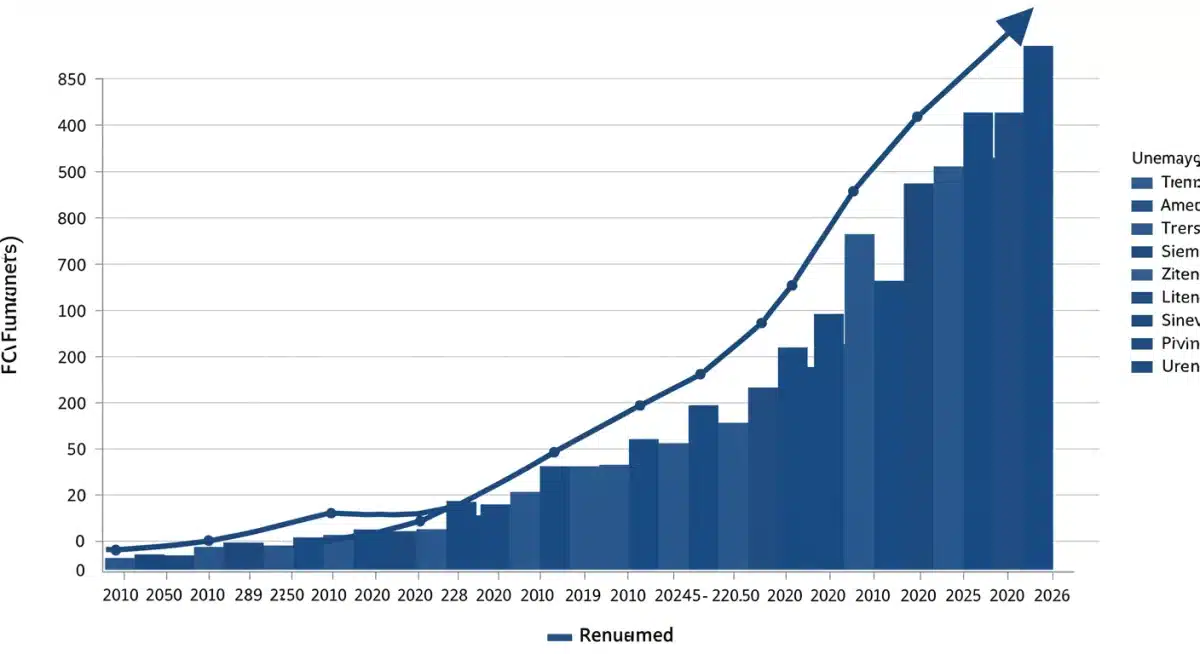
The record 18 million sign-ups in 2026 are expected to have a substantial positive impact on the national uninsured rate. A significant increase in covered individuals directly translates to a decrease in the proportion of Americans without health insurance. This reduction in the uninsured rate is not merely a statistical achievement; it has profound implications for public health. When more people have health insurance, they are more likely to seek preventive care, manage chronic conditions, and access necessary medical treatments without fear of prohibitive costs. This proactive approach to health can lead to improved public health outcomes, fewer emergency room visits for preventable conditions, and a healthier, more productive workforce.
Moreover, a lower uninsured rate can alleviate some of the financial burdens on hospitals and healthcare systems, as fewer individuals will be relying on uncompensated care. This, in turn, can help stabilize healthcare costs for everyone. The success of ACA Enrollment 2026 in bringing millions more into the insured population is a critical step towards achieving a more equitable and efficient healthcare system, demonstrating the tangible benefits of widespread coverage.
The Broader Implications for Healthcare Accessibility
The record ACA Enrollment 2026 figures extend far beyond just the number of people insured; they carry profound implications for overall healthcare accessibility in the United States. Increased enrollment means that more Americans have a regular source of care, which is a cornerstone of effective healthcare. This often translates to better management of chronic diseases, earlier detection of serious health conditions, and a greater emphasis on preventive medicine. When individuals have insurance, they are more likely to schedule regular check-ups, follow through with recommended screenings, and adhere to prescribed treatments, all of which contribute to better health outcomes and a higher quality of life.
Furthermore, the expansion of coverage through the ACA marketplace has a ripple effect on the healthcare ecosystem. It can lead to a more stable patient base for healthcare providers, potentially encouraging more providers to enter underserved areas. It also reduces the financial strain on individuals and families, preventing medical debt from becoming a leading cause of bankruptcy. The psychological benefit of having health insurance – the peace of mind that comes with knowing one is protected against unexpected medical expenses – cannot be overstated. This sense of security empowers individuals to seek care when needed, rather than delaying treatment due to cost concerns. The success of ACA Enrollment 2026 is thus a significant step towards a more accessible, equitable, and patient-centered healthcare system.
Addressing Healthcare Disparities
A key aspect of healthcare accessibility is the equitable distribution of care, and the ACA has played a vital role in addressing historical healthcare disparities. The high enrollment numbers in 2026 suggest that the program continues to make strides in reaching minority populations and low-income communities, who have historically faced significant barriers to accessing quality healthcare. By providing affordable options and financial assistance, the ACA helps to level the playing field, ensuring that health outcomes are less determined by socio-economic status or racial background.
However, challenges persist. While enrollment has increased, disparities in health outcomes still exist, often linked to factors beyond just insurance status, such as access to culturally competent providers, transportation, and healthy food options. The ongoing success of ACA Enrollment 2026 provides a foundation upon which further efforts to dismantle these systemic barriers can be built. It highlights the importance of not just getting people insured, but also ensuring they can effectively utilize that insurance to receive high-quality, comprehensive care that meets their specific needs.
Challenges and Opportunities Moving Forward
While the record 18 million sign-ups for ACA Enrollment 2026 are a cause for celebration, the journey towards universal healthcare access is far from over. Significant challenges remain, and they present opportunities for further refinement and innovation in healthcare policy. One ongoing challenge is the persistent issue of affordability for those who do not qualify for substantial subsidies, particularly those just above the income thresholds. For these individuals, premiums can still be a significant burden, leading some to remain uninsured or choose less comprehensive plans.
Another challenge lies in ensuring adequate provider networks and access to specialized care, especially in rural areas. While more people have insurance, the availability of doctors and specialists in certain regions can still be a barrier to receiving timely and appropriate care. Addressing these geographical disparities requires strategic investments in healthcare infrastructure and incentives for providers to practice in underserved communities.
However, these challenges also present opportunities. The strong enrollment numbers provide a mandate for policymakers to continue strengthening the ACA and exploring new avenues for expanding coverage and improving affordability. This could include further adjustments to subsidy structures, exploring public health insurance options, or implementing innovative models for care delivery. The success of ACA Enrollment 2026 provides a robust platform from which to launch these future initiatives, demonstrating that there is a clear public appetite for accessible and affordable healthcare.

Sustaining and Expanding Enrollment
To sustain the momentum generated by the ACA Enrollment 2026 period and to further expand coverage, ongoing efforts are essential. This includes consistent and targeted outreach campaigns to inform potential enrollees about their options and the financial assistance available. Simplifying the enrollment process, leveraging technology, and providing robust navigators and in-person assistance can also help to reach those who are still uninsured or struggling to find suitable coverage.
Furthermore, policy stability is crucial. Frequent changes to healthcare laws or the uncertainty surrounding subsidies can deter individuals from enrolling. A consistent and predictable policy environment allows individuals and families to plan for their healthcare needs with greater confidence. Exploring options to further reduce out-of-pocket costs, such as deductibles and co-pays, could also make plans more attractive and financially viable for a wider range of people. The goal should be not just to enroll people, but to ensure they can afford to use their insurance when they need it, thereby realizing the full benefits of coverage.
The Future of Healthcare Policy After ACA Enrollment 2026
The record-breaking ACA Enrollment 2026 figures will undoubtedly shape the discourse around future healthcare policy. This success provides compelling evidence that a significant portion of the American population relies on the ACA for their health insurance needs and that policies designed to expand affordability are highly effective. As policymakers look to the future, the lessons learned from this enrollment period will be invaluable. There will likely be continued debate and discussion around the long-term funding of subsidies, the role of state-level marketplaces, and the potential for further reforms to address remaining gaps in coverage.
The emphasis will likely shift towards not just increasing enrollment, but also improving the quality and efficiency of care delivered through these plans. This could involve initiatives to promote value-based care, integrate mental health services more thoroughly, and leverage technology for better patient outcomes. The robust enrollment figures serve as a powerful reminder that healthcare access is a top priority for millions of Americans, and any future policy decisions will need to take this reality into account. The path forward will require a collaborative approach, bringing together policymakers, healthcare providers, insurers, and patient advocates to build on the successes of ACA Enrollment 2026 and forge a more resilient and equitable healthcare system for all.
Navigating the Evolving Healthcare Landscape
The healthcare landscape is dynamic, influenced by technological advancements, demographic shifts, and evolving public health needs. The success of ACA Enrollment 2026 demonstrates the adaptability of the system to meet current demands. Moving forward, policymakers will need to remain agile, responding to new challenges and opportunities. This includes addressing the rising costs of prescription drugs, investing in public health infrastructure, and preparing for future health crises.
Furthermore, the integration of digital health solutions, telehealth services, and artificial intelligence in healthcare delivery will continue to transform how care is accessed and provided. Ensuring that these innovations are accessible and beneficial to all enrollees, regardless of their background or location, will be a key consideration. The foundation laid by the ACA Enrollment 2026 provides a strong starting point for these future endeavors, underscoring the commitment to a healthcare system that is responsive, innovative, and inclusive.
Conclusion: A New Era for Healthcare Accessibility
The 2026 Affordable Care Act enrollment period, with its record-shattering 18 million sign-ups, unequivocally marks a new era for healthcare accessibility in the United States. This achievement is a powerful testament to the effectiveness of policies that prioritize affordability and broad access to health insurance. It signifies that millions more Americans now have the security and peace of mind that comes with knowing they are covered, enabling them to seek necessary medical care without facing crippling financial burdens. The factors contributing to this success – enhanced subsidies, increased public awareness, and streamlined enrollment processes – provide a clear roadmap for future policy interventions aimed at further strengthening the healthcare safety net.
While challenges remain in achieving truly universal and equitable healthcare, the momentum generated by ACA Enrollment 2026 offers a robust foundation for continued progress. It underscores the critical importance of a collaborative approach involving government, healthcare providers, and communities to address persistent disparities, enhance affordability, and adapt to the evolving needs of the population. The record enrollment is not just a statistical triumph; it is a human triumph, reflecting a collective step forward towards a healthier, more secure future for millions of individuals and families across the nation. The lessons learned and the successes achieved in 2026 will undoubtedly guide the ongoing efforts to build a healthcare system that truly serves all Americans.