Fed Keeps Rates Steady: Q3 2026 Economic Outlook
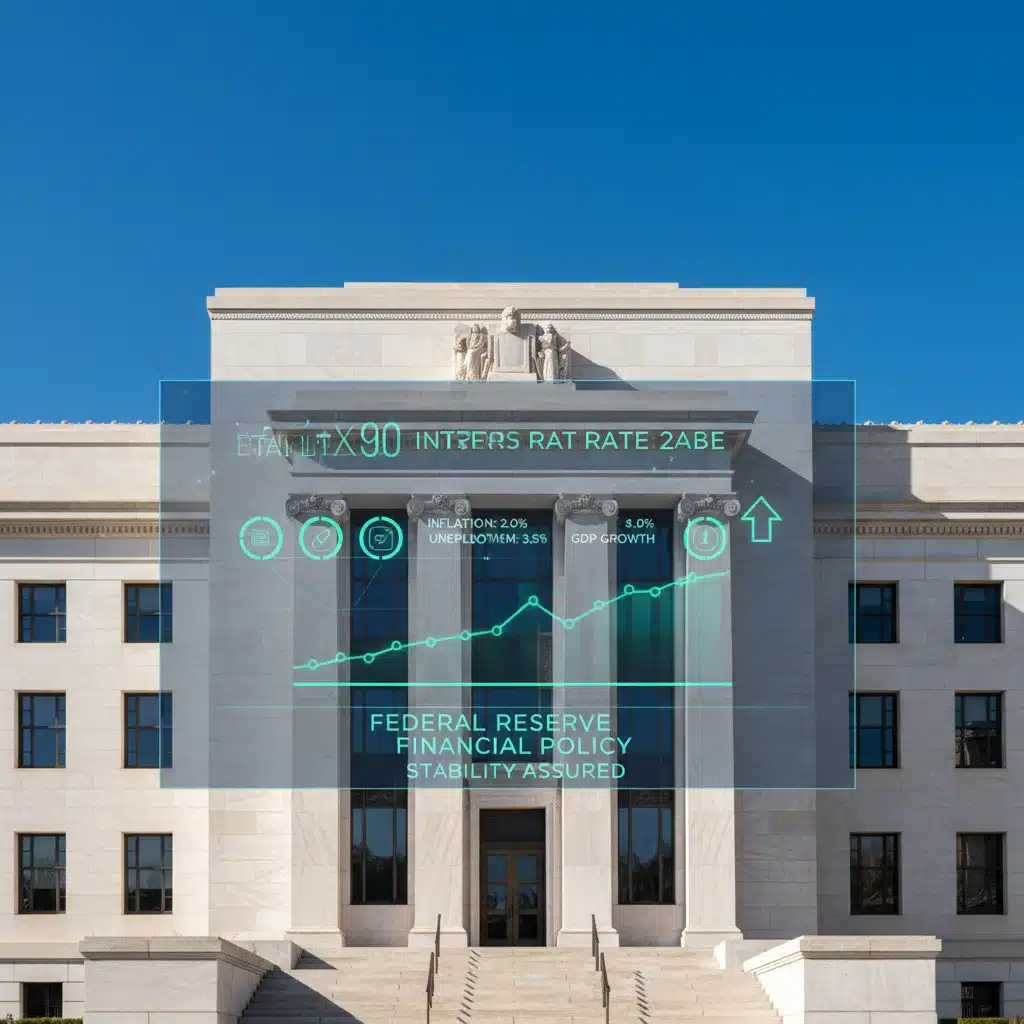
The financial world held its breath, and then exhaled a collective sigh of something resembling relief, as the Federal Reserve, in its much-anticipated Q3 2026 meeting, announced its decision to keep the benchmark interest rate unchanged at 5.25%. This move, largely expected by market analysts and economists, signifies a continued commitment to a cautious approach amidst a complex global economic landscape. The decision to hold Fed interest rates steady reflects a delicate balancing act by the central bank, aiming to consolidate gains against inflation without stifling economic growth. This comprehensive analysis will delve into the intricacies of this decision, explore the immediate and long-term ramifications, and provide a deep dive into expert reactions and the broader market impact.
For months, the trajectory of Fed interest rates has been a dominant theme in economic discourse. Following a period of aggressive rate hikes aimed at taming persistent inflation, the Fed has transitioned into a holding pattern, carefully assessing incoming economic data. The 5.25% rate, a level not seen in over two decades prior to this cycle, has had a profound effect on various sectors of the economy, from housing and automotive to corporate lending and consumer spending. Understanding the rationale behind maintaining this rate is crucial for anyone navigating the current economic climate.
The Federal Open Market Committee (FOMC) cited several factors underpinning their decision. Foremost among these was the continued, albeit gradual, progress in bringing inflation closer to the Fed’s long-term target of 2%. While headline inflation has receded from its peaks, core inflation, which excludes volatile food and energy prices, has proven stickier. The FOMC’s statement highlighted that while inflation remains elevated, the risks of a significant resurgence have diminished, allowing for a pause in rate adjustments. Furthermore, the labor market, while showing some signs of cooling, remains robust, with unemployment figures staying at historically low levels. This combination of moderating inflation and a resilient job market provides the Fed with the necessary breathing room to observe the effects of its previous actions.
The Rationale Behind Holding Fed Interest Rates
The decision to maintain Fed interest rates at 5.25% is not a sign of complacency but rather a strategic pause. The cumulative effect of previous rate hikes is still working its way through the economy. Monetary policy operates with a lag, meaning that the full impact of changes made months ago is only now becoming apparent. Raising rates further could risk pushing the economy into an unnecessary recession, jeopardizing the hard-won progress against inflation. Conversely, cutting rates prematurely could reignite inflationary pressures, forcing the Fed to reverse course and potentially undermining its credibility.
A key aspect of the FOMC’s deliberation involves assessing various economic indicators. Consumer spending, a significant driver of economic activity, has shown resilience, although some sectors are experiencing a slowdown. Business investment, while steady, has not accelerated significantly. Global economic uncertainties, including geopolitical tensions and supply chain disruptions, also play a role in the Fed’s cautious stance. By holding Fed interest rates steady, the Fed aims to gather more data and ensure that the current policy setting is appropriate for achieving its dual mandate of maximum employment and price stability.
Moreover, the Fed is keenly aware of the potential for financial instability. Rapid and unpredictable shifts in interest rates can create volatility in financial markets, impacting everything from bond yields to equity prices. A period of stability in Fed interest rates can provide businesses and consumers with greater certainty, allowing for more predictable planning and investment decisions. This stability is particularly important for sectors sensitive to borrowing costs, such as real estate and capital-intensive industries.
Expert Reactions to the Fed’s Decision
The Federal Reserve’s decision to maintain Fed interest rates at 5.25% for Q3 2026 has elicited a range of reactions from economists, financial analysts, and industry leaders. While the consensus largely leaned towards a hold, the nuances of these reactions shed light on the diverse perspectives shaping the economic dialogue.
Many prominent economists lauded the Fed’s prudence. Dr. Eleanor Vance, chief economist at Global Insights, commented, "This is a sensible and data-dependent move. The Fed is allowing its previous actions to fully permeate the economy, avoiding the risk of over-tightening. It signals confidence in the current disinflationary trend while acknowledging that the fight against inflation isn’t entirely over." Her sentiment was echoed by others who believe that a pause is the most appropriate course of action, allowing for a period of observation before any further adjustments to Fed interest rates.
However, not all reactions were uniformly positive. Some analysts expressed concerns about the potential for ‘higher for longer’ interest rates to eventually weigh down economic growth. Mr. David Chen, a senior portfolio manager at Apex Investments, noted, "While stability is welcome, the prolonged period of elevated Fed interest rates could start to bite into corporate profits and consumer discretionary spending more significantly in the coming quarters. We need to watch for signs of a more pronounced slowdown." These concerns highlight the ongoing debate about the optimal level of interest rates to achieve a ‘soft landing’ – bringing down inflation without triggering a recession.
Industry-specific reactions also varied. The real estate sector, which has been particularly sensitive to rising borrowing costs, expressed cautious optimism. "A stable rate environment, even at 5.25%, is better than continued uncertainty," stated Ms. Sarah Jenkins, president of the National Association of Realtors. "It allows for some predictability, which can help potential homebuyers and sellers plan. However, affordability remains a significant challenge, and we hope to see a path to lower rates in the future." This sentiment underscores the desire for eventual rate cuts, but also the appreciation for current stability in Fed interest rates.
Technology and growth-oriented companies, which are often more reliant on accessible and affordable capital, also breathed a sigh of relief. The prospect of further rate hikes had been a significant headwind for these sectors. Maintaining Fed interest rates provides a degree of stability, potentially encouraging investment and innovation, albeit at a higher cost of capital than in previous years.
Market Impact and Investor Sentiment
The financial markets generally reacted to the Federal Reserve’s decision with a sense of calm, reflecting the widespread anticipation of a rate hold. Equity markets saw minor fluctuations, with some sectors experiencing slight gains as the uncertainty surrounding the immediate future of Fed interest rates dissipated. The S&P 500 and Dow Jones Industrial Average largely held steady, suggesting that investors had already priced in the decision.
Bond markets, however, showed a more discernible reaction. Treasury yields, which had seen some upward pressure in the days leading up to the announcement, eased slightly. The yield on the 10-year Treasury bond, a key benchmark for various lending rates, saw a marginal decline, indicating that the market perceives a reduced likelihood of further rate hikes in the very near term. This stability in bond yields can have a ripple effect, influencing mortgage rates and corporate bond issuance.
The foreign exchange market also registered the impact. The U.S. Dollar, which often strengthens with expectations of higher interest rates, saw a modest weakening against a basket of major currencies. This could be attributed to the market interpreting the pause in Fed interest rates as a signal that the Fed’s tightening cycle might be nearing its end, potentially narrowing the interest rate differential with other developed economies that are also nearing the peak of their tightening cycles.
Investor sentiment, while generally positive, remains cautious. The ‘higher for longer’ narrative, suggesting that interest rates will remain elevated for an extended period, continues to influence investment strategies. Many institutional investors are rebalancing portfolios to favor companies with strong balance sheets and consistent cash flows, which are better positioned to withstand a higher interest rate environment. Growth stocks, while benefiting from the absence of further hikes, still face the challenge of higher borrowing costs impacting their future profitability and valuations. The stability of Fed interest rates is a double-edged sword: it removes immediate uncertainty but solidifies a higher cost of capital.

Economic Outlook for Q4 2026 and Beyond
Looking ahead to Q4 2026 and into 2027, the economic outlook remains a subject of intense debate, heavily influenced by the continued stance on Fed interest rates. The Federal Reserve’s decision to hold rates steady provides a foundation for forecasting, but several variables could shift the trajectory.
The primary focus for the Fed will continue to be inflation. While the current trend is disinflationary, the path to the 2% target is not expected to be linear. Geopolitical events, unexpected supply shocks, or a resurgence in demand could reignite inflationary pressures. The Fed has repeatedly stated its commitment to achieving its target, implying that if inflation proves more stubborn than anticipated, further adjustments to Fed interest rates, including potential hikes, cannot be entirely ruled out, though they are considered less likely at this juncture.
The labor market will also be a critical barometer. A significant weakening of the job market, evidenced by a substantial rise in unemployment or a dramatic slowdown in wage growth, could prompt the Fed to consider rate cuts sooner than currently projected. Conversely, a persistently tight labor market could fuel wage-price spirals, making it harder to bring inflation down sustainably. The current stability in Fed interest rates allows the labor market to continue its rebalancing act without undue pressure.
Consumer spending, which has been remarkably resilient, is another key indicator. Higher interest rates can eventually dampen consumer demand by increasing the cost of borrowing for mortgages, auto loans, and credit cards. If consumer spending significantly decelerates, it could signal a broader economic slowdown, potentially leading the Fed to consider easing monetary policy. However, strong household balance sheets and a relatively low unemployment rate provide some buffer against a sharp decline in consumption.
Globally, the economic landscape also plays a role. The performance of major trading partners, commodity prices, and the strength of the U.S. dollar all influence the domestic economy. A global slowdown could dampen demand for U.S. exports, while an appreciating dollar makes U.S. goods more expensive abroad, impacting corporate earnings. The Fed’s decision on Fed interest rates must always consider these external factors.
Most economists anticipate that the Fed will maintain Fed interest rates at or near current levels for at least the remainder of 2026, with potential rate cuts possibly emerging in mid to late 2027, provided inflation continues its downward trend and the economy shows signs of moderating growth. However, this projection is highly conditional on incoming data, and the Fed has consistently emphasized its data-dependent approach.
Impact on Different Sectors of the Economy
The sustained level of Fed interest rates at 5.25% has distinct implications for various sectors of the economy, creating both challenges and opportunities.
Housing Market
The housing market has been one of the most directly affected by rising interest rates. Mortgage rates, which closely track long-term Treasury yields, remain elevated. This has significantly impacted affordability, leading to a slowdown in home sales and a moderation in price appreciation in many regions. While a stable Fed interest rate environment removes the uncertainty of further hikes, it does not immediately alleviate the affordability crisis. We can expect continued pressure on housing demand until mortgage rates see a more significant decline, which would likely only occur with future Fed rate cuts.
Corporate Sector
For corporations, higher Fed interest rates translate to increased borrowing costs, impacting investment decisions and profitability. Companies with significant debt loads or those planning major capital expenditures will face higher financing expenses. This could lead to a more conservative approach to expansion and hiring. However, companies with strong balance sheets and less reliance on debt may find themselves in a relatively stronger position, potentially gaining market share. The stability in Fed interest rates allows businesses to plan with more certainty, even if the cost of capital is higher than in the pre-tightening era.
Consumer Spending and Savings
Consumers face a mixed bag. On one hand, higher interest rates mean higher returns on savings accounts, money market funds, and certificates of deposit (CDs), benefiting savers. On the other hand, the cost of borrowing for credit cards, auto loans, and personal loans remains elevated, potentially dampening consumer spending on big-ticket items. The impact on overall consumer spending will depend on the strength of the labor market and real wage growth. If wages keep pace with or exceed inflation, consumers may be able to absorb higher borrowing costs without significantly cutting back on spending. The stability of Fed interest rates provides a clear signal for consumers to adjust their financial planning.
Small Businesses
Small businesses, often more reliant on variable-rate loans and lines of credit, are particularly sensitive to changes in Fed interest rates. Elevated rates can squeeze profit margins and make it harder to secure financing for growth or operational needs. While the pause in rate hikes is welcome, many small businesses will continue to face a challenging environment until borrowing costs come down. Access to affordable capital is crucial for their survival and expansion, and the current Fed interest rates pose a significant hurdle for some.

The Path Forward: Data Dependence and Flexibility
The Federal Reserve’s commitment to a data-dependent approach means that its future decisions regarding Fed interest rates will be guided by the evolving economic landscape. This flexibility is crucial in an environment characterized by ongoing uncertainty. The FOMC will closely monitor a wide array of economic indicators, including:
- Inflation Data: Consumer Price Index (CPI), Personal Consumption Expenditures (PCE) price index, and various measures of core inflation.
- Labor Market Data: Unemployment rate, job openings, wage growth, and labor force participation.
- Economic Growth Indicators: GDP growth, retail sales, industrial production, and business investment.
- Financial Market Conditions: Credit conditions, bond yields, equity market performance, and the strength of the U.S. dollar.
- Global Economic Developments: International trade, geopolitical events, and economic performance of key trading partners.
The Fed’s communication strategy will also remain vital. Clear and consistent messaging from Chairman Jerome Powell and other FOMC members will be essential to manage market expectations and avoid unnecessary volatility. Forward guidance, while often conditional, helps businesses and consumers make informed decisions about their financial futures. The current stability in Fed interest rates provides a window for the market to fully absorb the implications of the current policy.
While the immediate future for Fed interest rates appears stable, the long-term outlook remains subject to change. The Fed’s ultimate goal is to achieve a sustainable balance between price stability and maximum employment. This may involve a period of ‘higher for longer’ rates, or it could necessitate a pivot to rate cuts if economic conditions deteriorate significantly. The Q3 2026 decision is a waypoint, not a destination, on the complex journey of monetary policy.
Conclusion
The Federal Reserve’s decision to hold Fed interest rates at 5.25% for Q3 2026 marks a period of watchful waiting and strategic observation. It reflects a central bank confident in its progress against inflation but acutely aware of the lingering risks and the need for patience. While the immediate market reaction has been one of calm, the implications for various sectors of the economy are profound and multifaceted. From the housing market to corporate balance sheets and consumer wallets, the 5.25% rate will continue to shape economic behavior.
Experts largely agree on the prudence of this pause, emphasizing the importance of allowing previous monetary tightening to fully impact the economy. However, concerns persist about the potential for prolonged high Fed interest rates to eventually dampen growth. As we move into Q4 2026 and beyond, all eyes will remain on key economic indicators, particularly inflation and employment data, which will ultimately dictate the Fed’s next moves. The path forward for Fed interest rates is inherently data-dependent and flexible, underscoring the dynamic nature of modern monetary policy. Businesses, investors, and consumers alike must remain agile and adaptive, preparing for an economic environment where the cost of money remains elevated for the foreseeable future, yet stable enough to foster cautious optimism.