Federal Stimulus Package 2026: What 70 Million Households Need to Know

Breaking news on the economic front! A new federal stimulus 2026 package is on the horizon, with strong indications that it will be passed and implemented in the first quarter of 2026. This eagerly awaited legislation is projected to have a far-reaching impact, potentially affecting an astounding 70 million households across the United States. As the economy continues to navigate various challenges and opportunities, this new infusion of government aid is designed to provide significant relief and stimulate growth. Understanding the nuances of this package is crucial for individuals, families, and businesses alike.
The anticipation surrounding the federal stimulus 2026 is palpable. While the exact details are still being finalized, early reports suggest a comprehensive approach aimed at addressing multiple facets of economic well-being. From direct payments to enhanced unemployment benefits and targeted relief for specific sectors, the package is expected to be a robust response to current economic conditions. This article will delve into what we know so far, who stands to benefit, and the broader implications for the national economy.
The Rationale Behind the Federal Stimulus 2026
Government interventions in the economy, particularly in the form of stimulus packages, are often deployed during periods of economic uncertainty, recession, or slow growth. The primary objective is to inject capital into the economy, thereby boosting consumer spending, supporting businesses, and ultimately fostering job creation. The proposed federal stimulus 2026 is no exception. Policymakers are likely responding to a combination of factors, including lingering inflationary pressures, potential slowdowns in specific industries, and the ongoing need to ensure a stable and equitable economic recovery.
One of the key drivers behind this upcoming package is the desire to bolster household financial stability. Many families continue to grapple with rising costs of living, and previous economic shocks have left some vulnerable. By providing direct financial assistance, the government aims to alleviate some of these burdens, allowing households to meet essential needs, reduce debt, and potentially save or invest. This direct injection of funds into the hands of consumers is often seen as a quick and effective way to stimulate demand across various sectors of the economy.
Furthermore, the federal stimulus 2026 could also be a strategic move to preemptively address any potential economic downturns or to accelerate the pace of recovery in certain sectors. Investing in infrastructure, green energy initiatives, or specific industries can create jobs and lay the groundwork for long-term economic prosperity. The comprehensive nature of such packages often reflects a multi-pronged strategy to tackle both immediate economic concerns and future growth opportunities.
Understanding the Economic Landscape Leading to Federal Stimulus 2026
To fully appreciate the significance of the federal stimulus 2026, it’s essential to understand the economic context in which it is being introduced. The global economy has been in a state of flux for several years, marked by supply chain disruptions, geopolitical tensions, and fluctuating energy prices. Domestically, while unemployment rates may appear low, underemployment and wage stagnation in certain sectors can still pose challenges for many households. Inflation, though potentially moderating, has eroded purchasing power for many, making it harder for families to stretch their budgets.
Analysts are closely monitoring various economic indicators, such as consumer confidence, retail sales, manufacturing output, and housing market trends. If these indicators show signs of softening or if economic growth is not meeting projections, a stimulus package becomes a more attractive option for policymakers. The goal is to avoid a significant economic contraction and instead foster an environment of sustained growth and stability. The federal stimulus 2026, therefore, is not just a reactive measure but also a proactive one, designed to steer the economy in a positive direction.
Moreover, the political landscape also plays a role. With elections often on the horizon, governments may feel pressure to demonstrate their commitment to addressing the economic concerns of their constituents. A well-designed stimulus package can be a powerful tool for demonstrating responsiveness and delivering tangible benefits to a large segment of the population, such as the 70 million households targeted by this initiative.
Who Will Benefit? Targeting 70 Million Households
One of the most compelling aspects of the upcoming federal stimulus 2026 is its projected reach: 70 million households. This broad targeting suggests a widespread impact, aiming to provide relief to a significant portion of the American population. While specific eligibility criteria will be detailed in the final legislation, we can anticipate certain patterns based on previous stimulus efforts.
Direct payments, often referred to as ‘stimulus checks,’ are a common component of such packages. These payments are typically disbursed to individuals and families based on their adjusted gross income (AGI), with income thresholds determining eligibility and the amount received. Lower and middle-income households are usually the primary beneficiaries, as the aim is to provide financial support to those who are most likely to spend the money, thereby stimulating the economy.
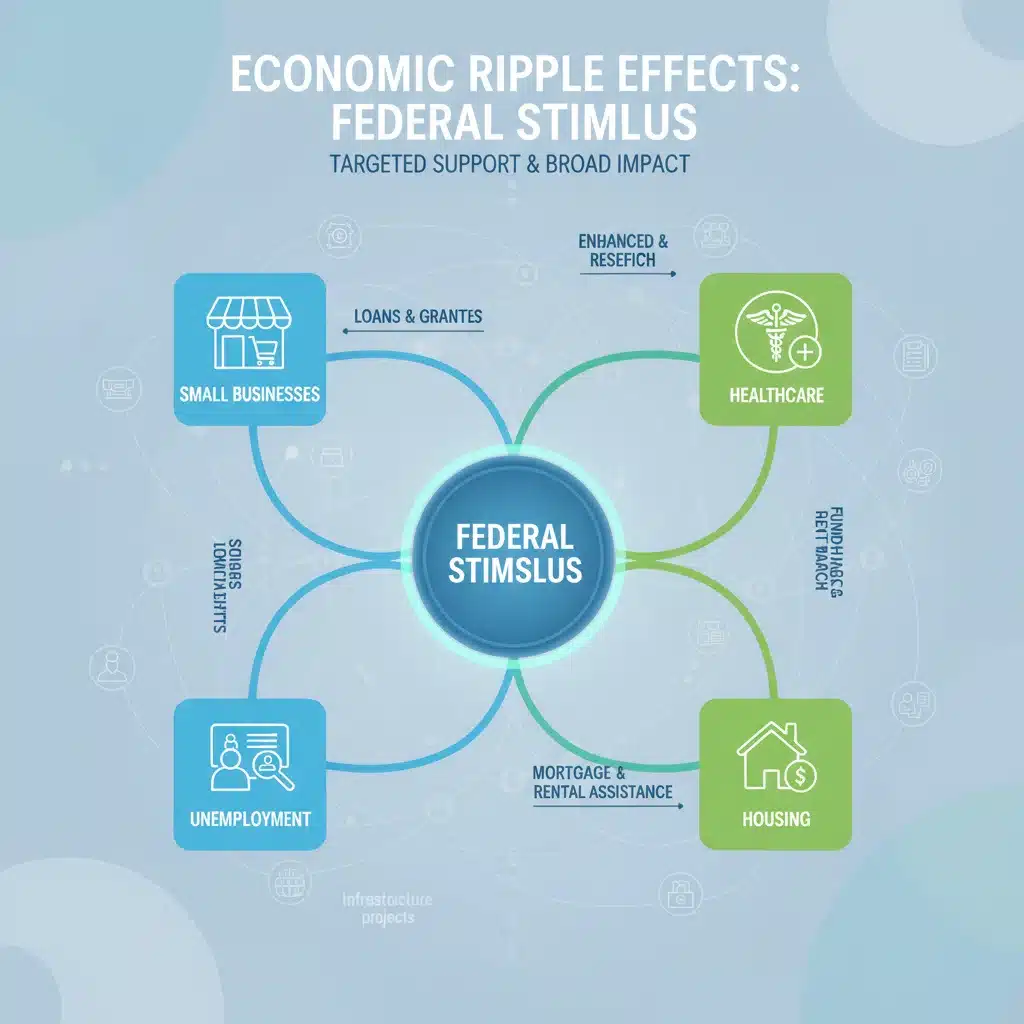
Beyond direct payments, the federal stimulus 2026 could also include other forms of assistance. This might encompass:
- Enhanced Unemployment Benefits: Providing additional financial support to those who are unemployed, helping them cover living expenses while they search for new employment.
- Child Tax Credit Expansion: Increasing or expanding the child tax credit could provide significant relief to families with children, helping them cover childcare costs, education expenses, and other necessities.
- Housing Assistance: Programs aimed at preventing evictions or foreclosures, or providing rental assistance, could be crucial for maintaining housing stability for vulnerable households.
- Small Business Support: While primarily focused on households, stimulus packages often include provisions for small businesses, such as grants, loans, or tax credits, which indirectly benefit households by preserving jobs and fostering local economies.
- Healthcare Subsidies: Measures to make healthcare more affordable, such as expanding subsidies for health insurance premiums, could reduce a significant financial burden for many families.
The exact combination of these measures will depend on the final negotiations and the specific economic objectives of the package. However, the sheer number of households expected to be impacted underscores the government’s intention to provide broad-based relief through the federal stimulus 2026.

Eligibility Criteria and How to Prepare for the Federal Stimulus 2026
As the details of the federal stimulus 2026 emerge, understanding the eligibility criteria will be paramount. Historically, eligibility for direct payments has been tied to income levels reported on tax returns. Therefore, ensuring your most recent tax information is accurate and up-to-date will be a critical first step. The IRS typically uses the latest filed tax return to determine eligibility and payment amounts.
For those who may not typically file taxes, such as individuals receiving certain government benefits or those with very low incomes, specific provisions are usually made to ensure they can also receive aid. This often involves registering through a dedicated online portal or providing minimal information to the IRS. Keeping an eye on official government announcements and IRS guidance will be essential to navigate these processes.
Preparing for the federal stimulus 2026 also involves understanding how these funds might impact your personal finances. Consider how you might best utilize any potential payments – whether it’s paying down high-interest debt, building an emergency fund, investing in education or career development, or contributing to your retirement savings. Strategic use of stimulus funds can provide long-term financial benefits beyond immediate relief.
Economic Impact: Beyond the 70 Million Households
While the direct benefits to 70 million households are a central focus, the federal stimulus 2026 is designed to generate a ripple effect throughout the entire economy. When households receive financial assistance, their increased spending translates into higher revenues for businesses, which in turn can lead to increased production, more hiring, and greater investment. This cyclical effect is the core mechanism by which stimulus packages aim to boost economic activity.
For small businesses, the influx of consumer spending can be a lifeline, helping them recover from past economic downturns or expand their operations. Increased demand for goods and services can lead to a need for more employees, thereby reducing unemployment rates. This job creation aspect is a crucial component of any successful stimulus effort, as stable employment is fundamental to long-term economic health.
Furthermore, the federal stimulus 2026 could also have an impact on financial markets. Investor confidence often rises with the prospect of economic growth, which can lead to upward trends in stock markets. However, policymakers also need to carefully balance stimulus measures with concerns about inflation. Too much stimulus in an already hot economy could exacerbate price increases, while too little might not provide the necessary boost.
Potential Challenges and Considerations for the Federal Stimulus 2026
No large-scale government intervention is without its challenges and considerations. One of the primary concerns with any federal stimulus 2026 package is its potential impact on national debt. While the immediate benefits to households and the economy are clear, the long-term fiscal implications need to be carefully managed. Discussions around how such packages are funded – whether through borrowing, taxation, or a combination – are always a central part of the legislative debate.
Another consideration is the timing and efficiency of distribution. For the stimulus to be most effective, funds need to reach eligible households and businesses quickly and efficiently. Delays in processing or distribution can diminish the intended economic impact. Lessons learned from previous stimulus efforts will likely inform the logistical planning for the federal stimulus 2026 to ensure a smoother rollout.
There are also debates about the targeting of stimulus funds. While 70 million households represent a vast segment of the population, some argue for more targeted approaches to avoid ‘over-stimulating’ parts of the economy that are already robust, and instead focusing resources on those areas and demographics most in need. The final structure of the federal stimulus 2026 will reflect the outcome of these policy debates.
The Legislative Process and Timeline for the Federal Stimulus 2026
The journey of the federal stimulus 2026 from proposal to law is a complex one, involving multiple stages within the legislative process. Typically, a bill of this magnitude would originate in either the House of Representatives or the Senate, undergo committee review, and then be debated and voted upon by both chambers. Given the significant financial implications and broad impact, such legislation often requires bipartisan support to pass, though it can also be passed through reconciliation processes in certain circumstances.
Early indications suggest that discussions are already well underway, with key stakeholders and policymakers actively shaping the contours of the package. The projected timeline of Q1 2026 for its passage and implementation indicates a sense of urgency, suggesting that legislators are keen to act swiftly to address current economic conditions. However, the legislative process can be unpredictable, and unforeseen obstacles or disagreements could potentially alter the timeline.
Once passed by Congress, the bill would then head to the President’s desk for signature, officially becoming law. Following this, federal agencies, primarily the Department of the Treasury and the Internal Revenue Service (IRS), would be responsible for implementing the various provisions, including setting up systems for direct payments, managing benefit programs, and providing clear guidance to the public. The efficiency of this implementation phase is critical to the overall success of the federal stimulus 2026.
Stay Informed: Resources and Official Channels for the Federal Stimulus 2026
As the federal stimulus 2026 package moves through the legislative process, it is crucial for individuals and households to stay informed. Relying on official government sources is the best way to get accurate and timely information. Key resources will include:
- The Internal Revenue Service (IRS) Website: The IRS is typically the primary source for information regarding direct payments, eligibility, and how to receive funds. They often create dedicated pages and FAQs for stimulus programs.
- Department of the Treasury: This department plays a central role in the financial aspects of stimulus packages and may issue official statements or detailed reports.
- Congressional Websites: The websites of the House of Representatives and the Senate will provide updates on the status of the legislation as it moves through committees and floor votes.
- Official White House Announcements: The President’s office will often make announcements regarding major legislative initiatives, including stimulus packages.
Beware of unofficial sources or scams that may try to exploit the public’s interest in stimulus payments. Always verify information through official channels before taking any action or providing personal details. Subscribing to official government newsletters or alerts can also be a good way to receive updates directly.
Conclusion: A Significant Economic Event for 2026
The impending passage of the federal stimulus 2026 package in Q1 2026 represents a significant economic event with the potential to profoundly impact 70 million households. This initiative is a testament to the government’s ongoing commitment to fostering economic stability and growth in the face of evolving challenges. From direct financial relief to broader economic stimulation, the package is designed to provide a much-needed boost to individuals, families, and businesses across the nation.
As we move closer to its implementation, staying informed about the specific details, eligibility criteria, and distribution mechanisms will be crucial. The strategic utilization of these funds by households can not only provide immediate relief but also contribute to long-term financial resilience. While debates and challenges are inherent in such large-scale policies, the overarching goal of the federal stimulus 2026 remains clear: to strengthen the American economy and ensure a more prosperous future for millions of its citizens. We will continue to monitor developments and provide updates as more information becomes available, helping you understand how this pivotal legislation will shape the economic landscape of 2026 and beyond.