SNAP TANF Updates 2026: Key Federal Aid Program Changes
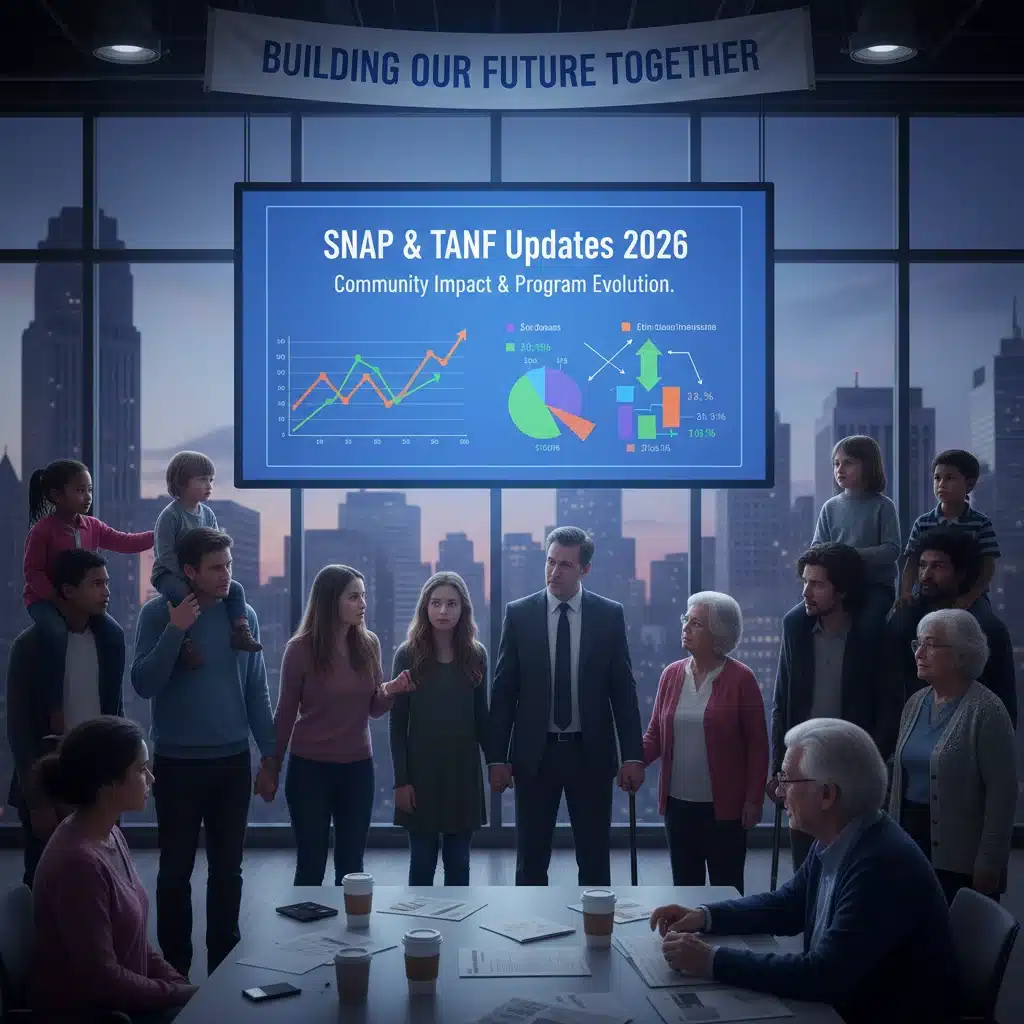
Federal Aid Programs: 7 Key Updates to SNAP and TANF Benefits Effective January 2026
As the calendar pages turn towards 2026, millions of Americans relying on federal assistance programs are keenly anticipating significant changes to the Supplemental Nutrition Assistance Program (SNAP) and Temporary Assistance for Needy Families (TANF). These programs form a critical safety net, providing essential support for food security and economic stability to vulnerable populations across the United States. Understanding the upcoming SNAP TANF Updates 2026 is not just important for beneficiaries but also for policymakers, social workers, and the general public to grasp the evolving landscape of federal aid.
The changes slated for January 2026 represent a complex interplay of legislative adjustments, economic considerations, and an ongoing effort to refine how federal aid is distributed and utilized. This comprehensive guide will delve into seven pivotal updates that will reshape the contours of SNAP and TANF, offering a detailed analysis of their potential impact.
Understanding the Foundation: SNAP and TANF Explained
Before we dissect the impending SNAP TANF Updates 2026, it’s crucial to have a foundational understanding of what these programs entail.
Supplemental Nutrition Assistance Program (SNAP)
Formerly known as food stamps, SNAP is the largest federal nutrition assistance program. It provides benefits to eligible low-income individuals and families via an Electronic Benefits Transfer (EBT) card, which can be used to purchase eligible food items at authorized retail stores. The primary goal of SNAP is to alleviate food insecurity and improve the nutritional well-being of participants. Eligibility and benefit levels are determined by a complex set of federal and state-specific rules, primarily based on income, household size, and certain asset limits.
Temporary Assistance for Needy Families (TANF)
TANF is a block grant program that provides funds to states and territories to design and operate programs that accomplish one of the following four purposes: provide assistance to needy families so that children can be cared for in their own homes or in the homes of relatives; end the dependence of needy parents on government benefits by promoting job preparation, work, and marriage; prevent and reduce the incidence of out-of-wedlock pregnancies; and encourage the formation and maintenance of two-parent families. Unlike SNAP, which is primarily a food benefit, TANF offers a broader range of services, including cash assistance, job training, child care assistance, and other supportive services, varying significantly from state to state.
The upcoming SNAP TANF Updates 2026 are designed to address various challenges, from economic shifts to administrative efficiencies and evolving societal needs. Let’s explore these critical changes.
Key Update 1: Revised Income Eligibility Thresholds for SNAP
One of the most impactful SNAP TANF Updates 2026 concerns the adjustment of income eligibility thresholds for SNAP. Federal poverty guidelines are annually updated, and for 2026, these guidelines have been revised to better reflect the current cost of living. This revision is expected to have a dual effect: some households previously deemed ineligible due to slightly higher incomes might now qualify, while others might see their benefits adjusted based on these new benchmarks.
The rationale behind this update is to ensure that SNAP assistance remains relevant and responsive to economic realities. With inflation and varying regional living costs, static income thresholds can quickly become outdated, leaving genuinely needy families without adequate support. The new thresholds aim to capture a more accurate picture of financial need, potentially expanding the reach of the program to more working-poor families who struggle to make ends meet despite employment.
States will be provided with updated federal guidelines, and while some discretion may remain at the state level for certain deductions or allowances, the core federal thresholds will dictate the primary eligibility criteria. Beneficiaries and potential applicants should closely monitor their state’s specific implementation details to understand how these new income limits will apply to their household.
Key Update 2: Enhanced Work Requirements for TANF Recipients
The second significant change in the SNAP TANF Updates 2026 package relates to enhanced work requirements for TANF recipients. Historically, TANF has emphasized work participation, and these new updates aim to strengthen that focus. The federal government will be implementing stricter guidelines for states regarding the percentage of TANF recipients who must be engaged in work activities, as well as refining what counts as a ‘work activity’.
This update is rooted in the philosophy that self-sufficiency and employment are key to breaking cycles of poverty. While the intent is to encourage greater workforce participation, critics often raise concerns about the practical challenges recipients face, such as lack of affordable childcare, transportation barriers, and limited job opportunities in certain areas. The new requirements will likely place a greater onus on states to provide robust support services, including job training, placement assistance, and childcare subsidies, to help recipients meet these enhanced expectations.
Families receiving TANF benefits will need to be particularly aware of these changes. Non-compliance with work requirements can lead to sanctions, including a reduction or termination of benefits. States will be tasked with developing clearer pathways and resources to help recipients navigate these new demands, making proactive engagement with caseworkers more critical than ever.
Key Update 3: Digital Modernization of SNAP Benefit Distribution
A major technological advancement within the SNAP TANF Updates 2026 is the continued push towards digital modernization of benefit distribution. While EBT cards are already digital, this update focuses on expanding digital access beyond the physical card. This includes greater integration with mobile payment platforms and potentially allowing for online ordering and delivery of groceries using SNAP benefits in more widespread locations.

This initiative aims to improve convenience, reduce stigma associated with using EBT cards, and enhance accessibility for individuals who may have difficulty physically shopping at stores. The COVID-19 pandemic highlighted the importance of online grocery options, and this update seeks to make such services more uniformly available to SNAP recipients. It also addresses the evolving retail landscape where digital transactions are becoming increasingly prevalent.
However, implementation challenges could include ensuring equitable access for all beneficiaries, especially those in rural areas with limited internet access or who are less familiar with digital technologies. Education and outreach programs will be vital to help recipients adapt to these new digital options and ensure they can fully utilize their benefits effectively.
Key Update 4: Increased Funding for TANF Workforce Development Programs
In conjunction with enhanced work requirements, the SNAP TANF Updates 2026 also include provisions for increased federal funding specifically earmarked for TANF workforce development programs. This additional investment aims to provide states with the resources needed to establish or expand effective job training, skill-building, and employability services for TANF participants.
The goal is to move beyond mere compliance with work requirements and genuinely equip individuals with the skills necessary to secure stable, well-paying jobs. This could include funding for vocational training, adult education, apprenticeships, and programs that address soft skills critical for employment. The emphasis is on long-term employment and career progression, not just temporary job placements.
This funding boost is a direct response to feedback from states and advocacy groups who have long argued that simply mandating work without providing adequate support is counterproductive. The success of this update will largely depend on how states strategically utilize these funds to create impactful programs that lead to sustainable employment outcomes for TANF recipients.
Key Update 5: Streamlined Application and Recertification Processes
Bureaucracy and complex paperwork have long been significant barriers for individuals seeking and maintaining federal aid. The SNAP TANF Updates 2026 aim to address this by mandating a more streamlined application and recertification process for both programs. This includes efforts to standardize forms, reduce redundant information requests, and potentially integrate application systems across different federal and state programs.
The objective is to make it easier for eligible individuals to access benefits and reduce the administrative burden on both applicants and caseworkers. This could involve greater use of technology for document submission, online portals for application status tracking, and simplified recertification procedures for households with stable circumstances. The long-term vision is to create a more user-friendly and efficient system that minimizes delays and reduces the likelihood of eligible individuals falling through the cracks due to administrative hurdles.
While the intent is positive, implementing such large-scale systemic changes can be complex. States will need to invest in technological infrastructure and training for their staff to ensure a smooth transition. Beneficiaries should look out for updated guidance from their state agencies regarding new application procedures.
Key Update 6: New Measures to Combat Fraud and Abuse
As part of the SNAP TANF Updates 2026, new measures are being introduced to enhance program integrity and combat fraud and abuse. These measures will likely involve more sophisticated data analytics, cross-referencing of databases, and stricter verification protocols to ensure that benefits are only going to eligible individuals and are being used appropriately.
The federal government is investing in advanced technological solutions to identify patterns indicative of fraudulent activity, both from beneficiaries and retailers. This includes better tracking of EBT card usage, improved mechanisms for reporting suspicious activity, and stronger penalties for those found to be misusing federal funds. The goal is to protect taxpayer dollars and maintain public trust in these essential programs.
While crucial for program integrity, these measures must be carefully balanced to avoid creating undue burdens or unfairly scrutinizing legitimate beneficiaries. Transparency about these new anti-fraud measures and clear communication to recipients about their responsibilities will be vital to prevent unintended negative consequences.
Key Update 7: Increased Focus on Holistic Family Support for TANF
The final key update within the SNAP TANF Updates 2026 emphasizes a more holistic approach to family support within the TANF program. Beyond cash assistance and work requirements, this update encourages states to develop and fund programs that address the broader needs of families, including mental health services, substance abuse treatment, domestic violence support, and financial literacy education.
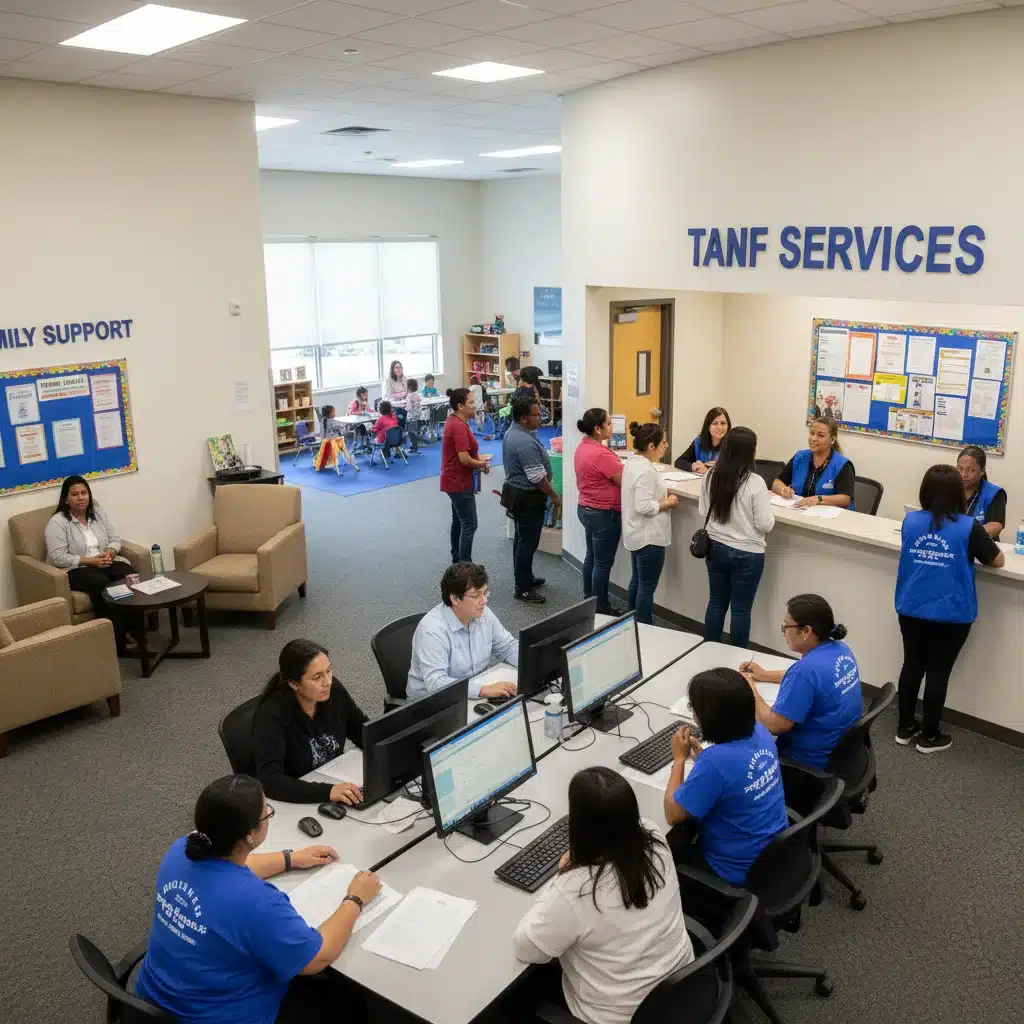
This shift acknowledges that poverty is often multi-faceted and that addressing underlying issues can lead to more sustainable self-sufficiency. By providing comprehensive support, TANF aims to empower families to overcome systemic barriers and build a stronger foundation for their children’s future. States will be encouraged to foster partnerships with community organizations and local service providers to create a robust network of support.
This update represents a significant evolution in the philosophy of TANF, moving towards a more preventative and rehabilitative model rather than solely focusing on immediate financial relief. Its success will depend on the willingness of states to innovate and allocate resources effectively to these broader support services.
Potential Impact of the SNAP TANF Updates 2026
The collective impact of these SNAP TANF Updates 2026 will be far-reaching. For beneficiaries, the changes could mean greater access for some, stricter requirements for others, and potentially more holistic support. The revised income thresholds for SNAP could bring more families into the fold, while enhanced work requirements for TANF will necessitate greater engagement from recipients and more comprehensive support services from states.
The digital modernization of SNAP benefits promises increased convenience and accessibility but also requires an adaptable approach from users. Increased funding for workforce development within TANF offers a glimmer of hope for sustainable employment, provided states implement effective programs. Streamlined application processes should reduce administrative hurdles, making it easier for eligible individuals to receive aid.
However, challenges remain. States will face the task of effectively implementing these federal mandates, often with varying resources and existing infrastructures. Ensuring that new anti-fraud measures do not inadvertently penalize legitimate beneficiaries will be crucial. Moreover, the long-term effectiveness of these updates will hinge on continuous evaluation and adaptation to real-world outcomes.
Preparing for the Changes: What Beneficiaries Should Do
As January 2026 approaches, individuals and families currently receiving or planning to apply for SNAP or TANF benefits should take proactive steps to prepare for these updates:
- Stay Informed: Regularly check your state’s Department of Social Services or equivalent agency website for official announcements and detailed guidance regarding the SNAP TANF Updates 2026.
- Review Eligibility: Understand how the new income thresholds and work requirements might affect your household’s eligibility and benefit levels.
- Engage with Caseworkers: If you are a current TANF recipient, proactively communicate with your caseworker about the enhanced work requirements and available workforce development programs.
- Embrace Digital Tools: Familiarize yourself with potential new digital platforms for managing benefits, if applicable in your state.
- Seek Assistance: If you have questions or concerns, reach out to local community organizations, legal aid services, or advocacy groups that specialize in federal aid programs. They can offer personalized advice and support.
Conclusion: Navigating the Evolving Landscape of Federal Aid
The SNAP TANF Updates 2026 mark a significant moment in the evolution of federal aid programs in the United States. These changes reflect a continuous effort to balance providing essential support to those in need with promoting self-sufficiency, ensuring program integrity, and adapting to modern economic and technological landscapes. While the implementation of these updates will undoubtedly present challenges and opportunities, the ultimate goal remains the same: to create a more effective, efficient, and equitable system of support for America’s most vulnerable populations.
Staying informed, engaging with relevant agencies, and understanding the nuances of these changes will be paramount for anyone impacted by SNAP and TANF. The collective success of these programs in fostering food security and economic stability relies on a collaborative effort from federal and state governments, community organizations, and the beneficiaries themselves.