Investment Strategies for Volatile Markets: Navigating 2026 with Smart Diversification

The year 2026 looms on the horizon, bringing with it both opportunities and challenges for investors worldwide. As global economies continue to grapple with geopolitical shifts, technological advancements, and evolving consumer behaviors, the prospect of a volatile market environment becomes increasingly likely. For savvy investors, understanding and implementing effective Volatile Market Strategies is not just an advantage; it’s a necessity for preserving capital and fostering growth.
In this comprehensive guide, we’ll delve into the intricacies of navigating an unpredictable financial landscape. We’ll explore how to build resilience into your portfolio, identify emerging trends, and make informed decisions that align with your long-term financial goals. The key to success in such an environment lies in proactive planning, strategic diversification, and a disciplined approach to risk management. Prepare to transform uncertainty into opportunity.
Understanding the Landscape: Why 2026 Might Be Volatile
Before we outline specific Volatile Market Strategies, it’s crucial to grasp the underlying factors that could contribute to market instability in 2026. Several interconnected forces are at play, each capable of swaying market sentiment and asset valuations.
Geopolitical Tensions and Global Trade Dynamics
The global political arena remains a significant source of uncertainty. Ongoing trade disputes, regional conflicts, and the shifting balance of power among major economies can lead to supply chain disruptions, commodity price fluctuations, and investor jitters. These factors directly impact corporate earnings and economic growth forecasts, making markets more sensitive to news and events. Investors need to be acutely aware of how international relations can influence their portfolio, making geopolitical risk analysis a core component of any robust Volatile Market Strategies.
Inflationary Pressures and Interest Rate Hikes
Inflation has been a persistent concern in recent years, and its trajectory in 2026 will heavily influence monetary policy. Central banks around the world may continue to adjust interest rates to combat inflation, which can have a profound effect on borrowing costs, corporate profitability, and consumer spending. Higher interest rates typically make bonds more attractive relative to stocks, and can also devalue existing assets. Monitoring inflation indicators and central bank announcements will be paramount for adjusting your Volatile Market Strategies accordingly.
Technological Disruption and Innovation Cycles
While technological innovation offers immense growth potential, it also introduces disruptive elements. Rapid advancements in AI, biotechnology, and renewable energy can create new industries while simultaneously rendering old ones obsolete. This constant flux can lead to significant volatility in specific sectors and individual stocks. Investors must discern between speculative bubbles and genuine long-term trends, integrating a forward-looking perspective into their Volatile Market Strategies to capitalize on innovation while mitigating risks.
Energy Market Dynamics and Climate Change Impact
The transition to green energy, coupled with traditional energy supply and demand imbalances, will continue to shape energy markets. Extreme weather events, driven by climate change, can also disrupt economic activity and supply chains, leading to unexpected market movements. The interplay between energy security, sustainability goals, and market pricing will be a critical area to watch, influencing everything from transportation costs to manufacturing expenses. Incorporating an understanding of these dynamics is vital for developing effective Volatile Market Strategies.
Consumer Behavior Shifts and Demographic Changes
Demographic shifts, such as aging populations in developed nations and rising middle classes in emerging markets, are reshaping consumer demand. Post-pandemic shifts in work habits, spending patterns, and online engagement also continue to evolve. Companies that fail to adapt to these changes may struggle, while those that innovate to meet new consumer needs can thrive. Keeping a pulse on these societal trends is essential for identifying resilient investment opportunities and refining your Volatile Market Strategies.
Pillars of Resilience: Core Volatile Market Strategies
Given the potential for market volatility in 2026, a robust investment framework is non-negotiable. Here are the foundational Volatile Market Strategies that can help you navigate the storm.
1. Diversification: Your First Line of Defense
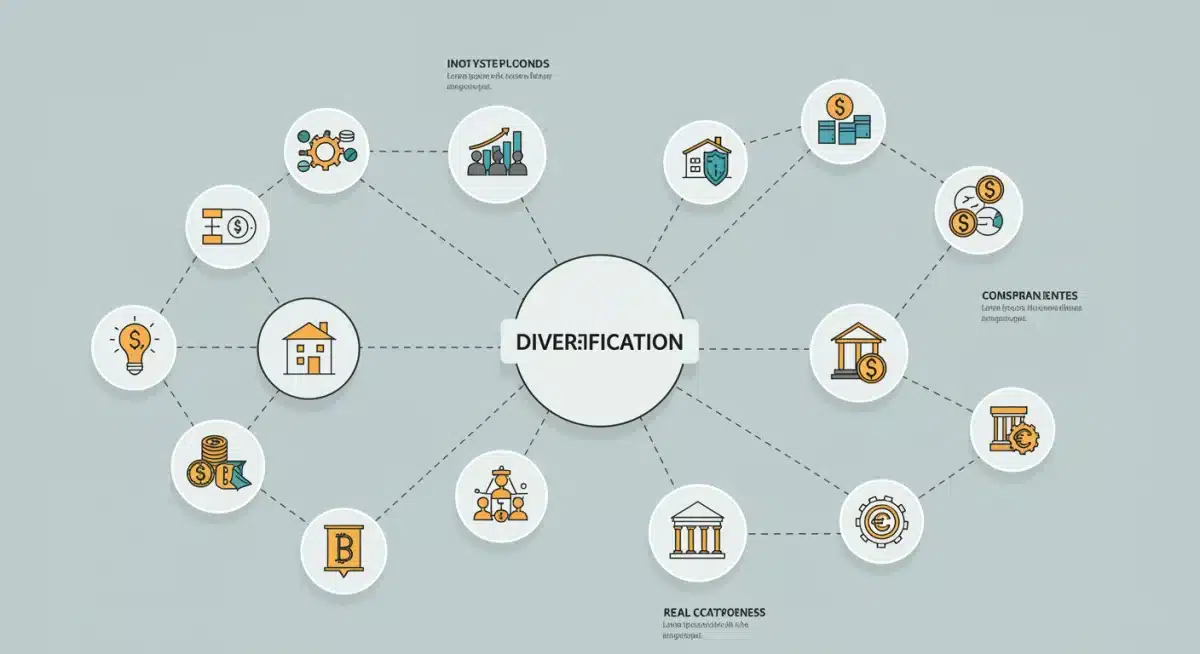
The oldest and perhaps most crucial principle in investing is diversification. In a volatile market, its importance is amplified. Diversification means spreading your investments across different asset classes, industries, geographies, and even investment styles to reduce overall portfolio risk. The goal is to ensure that a downturn in one area does doesn’t decimate your entire portfolio.
Asset Class Diversification
This involves allocating capital across a mix of stocks, bonds, real estate, commodities, and potentially alternative assets. Different asset classes tend to perform differently under various economic conditions. For instance, bonds might offer stability when stocks are falling, while commodities could hedge against inflation. A well-constructed asset allocation strategy is the bedrock of effective Volatile Market Strategies.
Geographic Diversification
Investing solely in your home country can expose you to concentrated risks related to its economic and political stability. Expanding your investments to international markets, including both developed and emerging economies, can provide a buffer. Different regions may be in different stages of their economic cycles, offering uncorrelated returns. This global perspective is a powerful tool in your arsenal of Volatile Market Strategies.
Sector and Industry Diversification
Within equities, avoid putting all your eggs in one industry basket. While certain sectors might be hot, a downturn can have a severe impact if your portfolio is overly concentrated. Spreading investments across various sectors—such as technology, healthcare, consumer staples, utilities, and financials—helps mitigate industry-specific risks. This granular approach to diversification strengthens your overall Volatile Market Strategies.
2. Rebalancing Your Portfolio Regularly
Diversification isn’t a one-and-done task. Market movements will inevitably cause your portfolio’s asset allocation to drift from your target. Rebalancing involves periodically adjusting your portfolio back to its original desired allocation. If stocks have performed exceptionally well, you might sell some to buy more bonds, bringing your portfolio back into balance. This systematic approach forces you to “sell high” and “buy low,” a counter-intuitive but highly effective discipline in volatile markets. Regular rebalancing is a critical component of successful Volatile Market Strategies.
3. Emphasizing Quality and Value
In uncertain times, the fundamentals of a company become even more critical. Focus on investing in high-quality companies with strong balance sheets, consistent earnings, sustainable competitive advantages (moats), and experienced management teams. These companies are generally more resilient during economic downturns and have a better chance of recovering strongly. Value investing, which involves buying assets for less than their intrinsic worth, can also be particularly effective when markets are volatile and good companies might be temporarily undervalued. Adopting a quality and value-oriented approach is a cornerstone of prudent Volatile Market Strategies.
4. Dollar-Cost Averaging (DCA)
Dollar-cost averaging involves investing a fixed amount of money at regular intervals, regardless of market fluctuations. When prices are high, your fixed investment buys fewer shares; when prices are low, it buys more. Over time, this strategy can reduce your average cost per share and mitigate the risk of investing a large sum at an unfortunate market peak. DCA removes emotional decision-making, which is often detrimental in volatile environments, making it an excellent tactical element within your Volatile Market Strategies.
Advanced Volatile Market Strategies: Beyond the Basics
While the core principles provide a strong foundation, sophisticated investors might consider additional Volatile Market Strategies to further enhance their portfolio’s resilience and potential for growth.
5. Considering Alternative Investments
Alternative investments are assets that fall outside the traditional categories of stocks, bonds, and cash. They can include:
- Real Estate: Can offer stable income and appreciation, often with low correlation to public markets.
- Private Equity/Debt: Investing in private companies or providing loans can offer higher returns but comes with illiquidity and higher risk.
- Hedge Funds: Employ diverse strategies to generate returns, often aiming for absolute returns regardless of market direction, though fees can be high.
- Commodities: Gold, silver, oil, and agricultural products can act as inflation hedges and diversify against currency risks.
- Infrastructure: Investments in roads, bridges, utilities, and communication networks often provide stable, long-term cash flows.
- Cryptocurrencies and Digital Assets: While highly volatile themselves, a small, carefully considered allocation to digital assets could be part of a forward-looking diversification strategy, though this requires significant research and risk tolerance.
These assets typically have lower correlation with traditional public markets, offering a valuable layer of diversification. However, they often come with higher minimum investments, illiquidity, and complexity, requiring careful due diligence. Integrating alternatives thoughtfully can significantly bolster your Volatile Market Strategies.
6. Implementing Hedging Strategies
Hedging involves taking an offsetting position in a related security to reduce the risk of adverse price movements. Common hedging tools include:
- Options: Buying put options on your stock holdings can protect against significant downside.
- Futures Contracts: Can be used to lock in prices for commodities or currencies.
- Inverse ETFs: Exchange-Traded Funds that aim to deliver the inverse performance of an index.
Hedging can be complex and costly, and it’s generally recommended for experienced investors or those working with financial advisors. When implemented correctly, it can be a powerful risk management tool within your Volatile Market Strategies.
7. Maintaining a Cash Reserve
While often seen as a drag on returns during bull markets, a healthy cash reserve is a powerful asset in volatile times. It provides liquidity for emergencies, prevents forced selling of investments at inopportune moments, and positions you to capitalize on buying opportunities when asset prices dip. Knowing you have a cash buffer can also reduce emotional stress, allowing you to stick to your long-term Volatile Market Strategies.
8. Focusing on Long-Term Goals
Short-term market fluctuations can be disorienting. However, for most investors, financial goals (retirement, education, homeownership) are long-term. Maintaining a long-term perspective helps you weather temporary downturns and avoids impulsive, often detrimental, trading decisions based on daily news cycles. Remind yourself of your investment thesis and the power of compounding over time. This unwavering focus is a psychological cornerstone of effective Volatile Market Strategies.

Psychology of Investing in Volatile Markets
One of the biggest challenges in a volatile market isn’t just understanding the economics; it’s managing your own emotions. Fear and greed are powerful forces that can lead investors astray, causing them to buy at peaks and sell at troughs. Effective Volatile Market Strategies must include a strong psychological component.
Avoiding Emotional Decisions
When markets are plunging, the natural inclination is to panic and sell everything to stop the bleeding. Conversely, during euphoric rallies, there’s a temptation to chase high-flying assets. Both reactions are typically detrimental to long-term wealth creation. Sticking to a predefined investment plan, based on your risk tolerance and financial goals, helps to override these emotional impulses. Automating investments through dollar-cost averaging can also remove the emotional element.
Understanding Behavioral Biases
Investors are susceptible to various cognitive biases, such as confirmation bias (seeking out information that confirms existing beliefs), herd mentality (following the crowd), and loss aversion (feeling the pain of losses more acutely than the pleasure of gains). Recognizing these biases is the first step toward mitigating their impact. Acknowledging that you are not immune to them allows you to build safeguards into your Volatile Market Strategies.
Seeking Professional Guidance
For many, navigating volatile markets can be overwhelming. A qualified financial advisor can provide an objective perspective, help you define realistic goals, create a suitable investment plan, and keep you disciplined during turbulent times. They can also introduce you to advanced Volatile Market Strategies and risk management techniques tailored to your specific situation. The cost of advice can be a worthwhile investment when it prevents costly emotional mistakes.
Practical Steps for Implementing Volatile Market Strategies in 2026
Now that we’ve covered the theoretical framework, let’s look at concrete actions you can take to implement your Volatile Market Strategies for 2026.
Review Your Financial Plan and Risk Tolerance
Before making any changes, revisit your overall financial plan. Are your goals still the same? Has your personal financial situation changed? Crucially, re-evaluate your risk tolerance. A volatile market can test your comfort level with risk. Be honest with yourself about how much risk you can truly bear, both financially and emotionally. Your Volatile Market Strategies must align with your personal risk profile.
Stress-Test Your Portfolio
Consider how your current portfolio would perform under various adverse scenarios. What if there’s a significant market correction (e.g., 20-30% drop)? What if inflation spikes further? What if a specific sector crashes? While no one can predict the future, stress-testing helps you identify potential weak spots and adjust your allocation to build greater resilience. This foresight is a hallmark of effective Volatile Market Strategies.
Stay Informed, But Avoid Over-Obsession
It’s important to stay informed about global economic trends, geopolitical developments, and market news. However, constantly checking your portfolio or reacting to every headline can lead to poor decisions. Focus on understanding the bigger picture and how it might impact your long-term strategy, rather than getting caught up in daily noise. Selective information consumption is key to maintaining composure and executing sound Volatile Market Strategies.
Consider Tax Implications
When rebalancing or making changes to your portfolio, always consider the tax implications. Selling assets that have appreciated can trigger capital gains taxes. Work with a financial advisor or tax professional to optimize your strategy and ensure that tax efficiency is a component of your Volatile Market Strategies.
Automate Your Investments
Set up automatic contributions to your investment accounts, especially for long-term vehicles like retirement funds. This ensures consistent investing through dollar-cost averaging and removes the temptation to time the market, which is notoriously difficult even for professionals. Automation reinforces discipline, a vital trait for success with Volatile Market Strategies.
Conclusion: Navigating 2026 with Confidence
The prospect of a volatile market in 2026 doesn’t have to be a source of dread. By adopting a proactive, disciplined, and well-diversified approach, investors can not only protect their capital but also position themselves for significant growth opportunities. The core tenets of diversification, regular rebalancing, focusing on quality, and maintaining a long-term perspective form the bedrock of successful Volatile Market Strategies.
Supplementing these with advanced techniques like alternative investments and strategic hedging, while always being mindful of your emotional responses, will empower you to navigate the complexities of the market with confidence. Remember, market volatility is a natural part of the investment cycle; how you respond to it will ultimately determine your financial success. By meticulously planning and adhering to sound principles, you can turn the challenges of 2026 into stepping stones towards achieving your financial aspirations.