2026 Census Data: Reshaping Political Representation & Power Dynamics

The release of the 2026 Census data stands as a monumental event, far beyond a mere statistical exercise. It is a fundamental cornerstone of democratic governance, a mirror reflecting the evolving face of our societies, and a powerful catalyst for reshaping political representation. Every decade, the census provides an invaluable snapshot of a nation’s population – its size, distribution, and characteristics. This comprehensive dataset doesn’t just inform academics or statisticians; it directly influences how power is allocated, how resources are distributed, and how communities are represented at every level of government. The implications of the 2026 Census data will be profound, touching everything from the number of legislative seats each region holds to the funding priorities for essential public services.
Understanding the intricate relationship between demographic shifts and political power is crucial for citizens, policymakers, and advocacy groups alike. As populations grow, shrink, or migrate, the delicate balance of representation is disrupted, necessitating adjustments to ensure that every voice is heard and every community’s needs are addressed. The upcoming 2026 Census data will undoubtedly reveal significant trends that have been developing over the past decade, accelerated by factors such as urbanization, suburbanization, international migration, aging populations, and changing birth rates. These trends are not abstract; they manifest in real-world consequences, determining which areas gain influence and which face the challenge of declining representation. This article will delve deep into the anticipated impact of the 2026 Census data, exploring how it will redraw political maps, redefine electoral strategies, and ultimately, reshape the very fabric of political representation.
The Foundation of Representation: Why the 2026 Census Data Matters
At its core, a census is an official count or survey of a population, typically recording various details of individuals. While seemingly straightforward, its role in a democratic society is anything but simple. The primary function of census data, particularly in countries with representative democracies, is to ensure equitable political representation. The principle of ‘one person, one vote’ relies on accurate population counts to apportion legislative seats fairly among different geographical areas. Without this data, the distribution of power would be arbitrary, leading to disenfranchisement and unequal influence.
Apportionment and Redistricting: The Electoral Domino Effect
The most direct and immediate impact of the 2026 Census data will be on the processes of apportionment and redistricting. Apportionment refers to the allocation of legislative seats among major political subdivisions (e.g., states, provinces, or regions) based on their respective populations. If one region experiences significant population growth relative to others, it may gain additional seats, while areas with stagnant or declining populations may lose them. This shift in the number of representatives directly translates to a shift in political power at the national level.
Following apportionment, redistricting takes center stage. This involves redrawing the boundaries of electoral districts within each state or region to ensure that they are roughly equal in population. This process is often highly contentious and politically charged, as the way district lines are drawn can significantly influence election outcomes for the next decade. The 2026 Census data will provide the raw material for these new maps, setting the stage for future elections and determining which communities will be grouped together, and which will be separated.
The process is not merely about numbers; it’s about communities. Redistricting can either strengthen community representation or dilute it, depending on how boundaries are drawn. For example, if a rapidly growing urban area gains population, its existing districts might become too large, necessitating the creation of new districts or the significant alteration of existing ones. Conversely, rural areas experiencing population decline might see their districts consolidated, potentially leading to a loss of a dedicated representative.
Resource Allocation and Policy Making
Beyond political representation, the 2026 Census data is a critical tool for resource allocation. Governments at all levels rely on accurate demographic information to distribute funding for a vast array of public services, including education, healthcare, infrastructure, housing, and social programs. Federal and state funding formulas often incorporate population data to determine how much money each locality receives. A region that has grown significantly since the last census will likely be eligible for more funding, while one that has shrunk may see its allocations reduced.
Moreover, the detailed demographic insights provided by the census are indispensable for effective policymaking. Understanding the age structure of a population, its ethnic diversity, educational attainment, income levels, and housing characteristics allows policymakers to design programs that are truly responsive to the needs of their constituents. For instance, an aging population might require increased investment in healthcare for seniors and retirement infrastructure, while a region with a growing young population might prioritize schools and childcare facilities. The 2026 Census data will provide the evidence base for these crucial decisions, shaping the future direction of public policy for years to come.
Anticipated Demographic Shifts and Their Political Consequences
While the precise figures of the 2026 Census data remain unknown, various trends from the preceding decade offer strong indications of what we can expect. These include continued urbanization, shifts in ethnic and racial compositions, an aging global population, and evolving migration patterns. Each of these trends carries significant political consequences.
Urbanization and Suburbanization
Many nations have witnessed a sustained trend of population movement from rural areas to urban centers, often followed by a secondary movement to suburban rings. This concentration of people in metropolitan areas can lead to urban centers gaining more legislative seats, increasing their political clout on national issues. However, suburban growth can also create new political dynamics, as these areas often have distinct needs and political leanings compared to core cities or deep rural regions. The 2026 Census data will clarify the extent of these movements, potentially leading to a greater number of urban and suburban-centric districts and a corresponding decrease in rural representation.
Changing Ethnic and Racial Compositions
Many countries are becoming increasingly diverse, driven by immigration and differential birth rates among various ethnic and racial groups. The 2026 Census data will provide a clearer picture of these demographic transformations. Such shifts can have profound political implications. For example, the growth of specific demographic groups can lead to the creation of new majority-minority districts, empowering communities that may have historically been underrepresented. This can alter voting patterns, introduce new policy priorities, and change the political landscape in significant ways. Political parties will need to adapt their strategies to appeal to these evolving electorates, focusing on issues that resonate with a more diverse populace.
Aging Populations
Globally, many developed nations are experiencing an aging population, with a larger proportion of seniors and a smaller proportion of younger individuals. The 2026 Census data will highlight the extent of this demographic shift in various regions. An aging population can influence political priorities, with increased focus on social security, healthcare for the elderly, and pension reforms. It can also impact the workforce, tax base, and consumption patterns, all of which have political and economic ramifications. The ‘graying’ of the electorate can shift the balance of power towards issues favored by older voters, potentially at the expense of issues important to younger generations.
Migration Patterns
Both internal migration (within a country) and international migration play a crucial role in shaping population distribution. Regions experiencing an influx of migrants, whether for economic opportunities or other reasons, will likely see population growth, leading to potential gains in political representation. Conversely, areas experiencing outward migration may face a decline in their political voice. The 2026 Census data will offer critical insights into these migration flows, helping to identify emerging population hubs and areas of decline, thereby informing future infrastructure planning and social service provisions.
The Redrawing of Political Maps: Gerrymandering and its Challenges
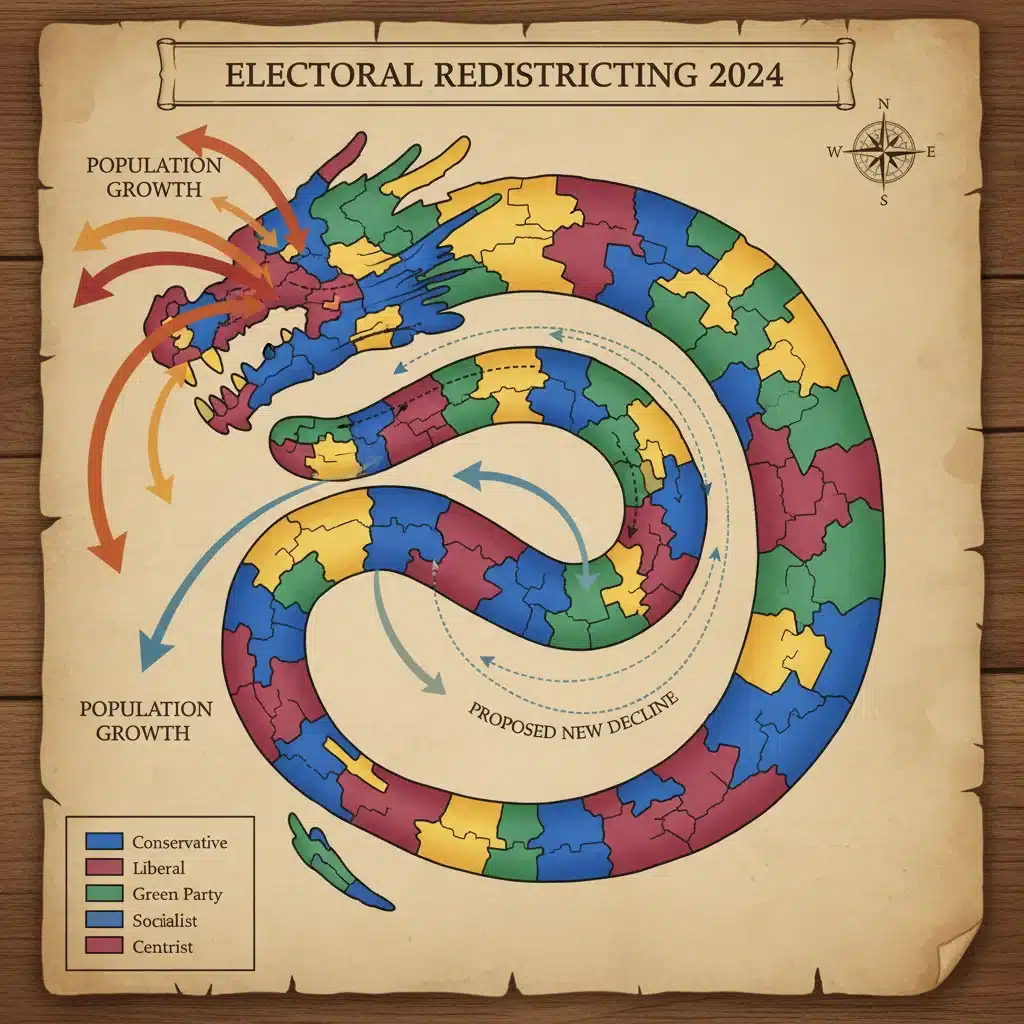
With the 2026 Census data in hand, the process of redistricting will commence, and with it, the specter of gerrymandering. Gerrymandering is the practice of drawing electoral district boundaries to give one political party an unfair advantage over another, or to dilute the voting power of a particular demographic group. While some degree of political consideration is almost inevitable in redistricting, extreme gerrymandering can undermine democratic principles by creating uncompetitive districts and effectively allowing politicians to choose their voters, rather than the other way around.
Types of Gerrymandering
- Cracking: Spreading voters of a particular type among many districts to dilute their impact.
- Packing: Concentrating as many voters of one type into a single district as possible, to reduce their influence in other districts.
The 2026 Census data, being the most current and accurate population count, will be the foundation upon which these new maps are built. Advocates for fair maps will be vigilant, scrutinizing proposed district boundaries to ensure they adhere to principles of compactness, contiguity, and respect for communities of interest, rather than serving partisan agendas. Legal challenges often arise during this period, with courts being asked to rule on the fairness and legality of newly drawn maps. The outcome of these legal battles, influenced by the underlying 2026 Census data, can determine the political landscape for the next decade.
Technology and Transparency
Modern technology, including sophisticated mapping software and advanced data analytics, plays a dual role in redistricting. On one hand, it enables parties to draw highly precise and effective gerrymanders. On the other hand, it also empowers transparency advocates and independent commissions to analyze proposed maps, identify potential gerrymanders, and propose alternative, fairer boundaries. The availability of the 2026 Census data in digital formats will facilitate this enhanced scrutiny, potentially leading to more informed public debate and greater accountability in the redistricting process.
Economic and Social Implications of the 2026 Census Data
Beyond the direct political ramifications, the 2026 Census data will have far-reaching economic and social implications. Businesses, researchers, and community organizations all rely on this data to make informed decisions and understand societal trends.
Market Analysis and Business Decisions
For businesses, accurate demographic data is gold. The 2026 Census data will inform decisions about where to locate new stores, what products and services to offer, and how to tailor marketing campaigns. Understanding population density, age distribution, income levels, and household compositions in specific areas allows companies to identify emerging markets and cater to the changing needs of consumers. For example, an area with a growing young, affluent population might be ripe for new tech startups or trendy retail, while a region with an aging demographic might see a boom in home healthcare services or retirement communities.
Infrastructure Planning
Governments and urban planners will heavily utilize the 2026 Census data for infrastructure development. Population growth in certain areas will necessitate new roads, public transportation networks, schools, hospitals, and utilities. Conversely, areas experiencing population decline might need to re-evaluate their existing infrastructure, potentially repurposing facilities or consolidating services. The data provides a crucial roadmap for ensuring that public services keep pace with demographic changes, preventing overcrowding in some areas and underutilization in others.
Social Research and Policy Evaluation
Researchers across various disciplines – sociology, economics, public health, and urban studies – will rely on the 2026 Census data to analyze social trends, understand disparities, and evaluate the effectiveness of existing policies. This data is essential for identifying vulnerable populations, assessing inequalities in access to resources, and informing evidence-based policy interventions. For instance, researchers might use the data to study the impact of housing policies on low-income communities or to understand the health outcomes of specific demographic groups.
Preparing for the 2026 Census Data Release
As the release of the 2026 Census data approaches, various stakeholders are already beginning to prepare for its impact. This preparation involves not only anticipation but also active engagement in ensuring the data’s accuracy and its equitable application.
Community Engagement and Advocacy
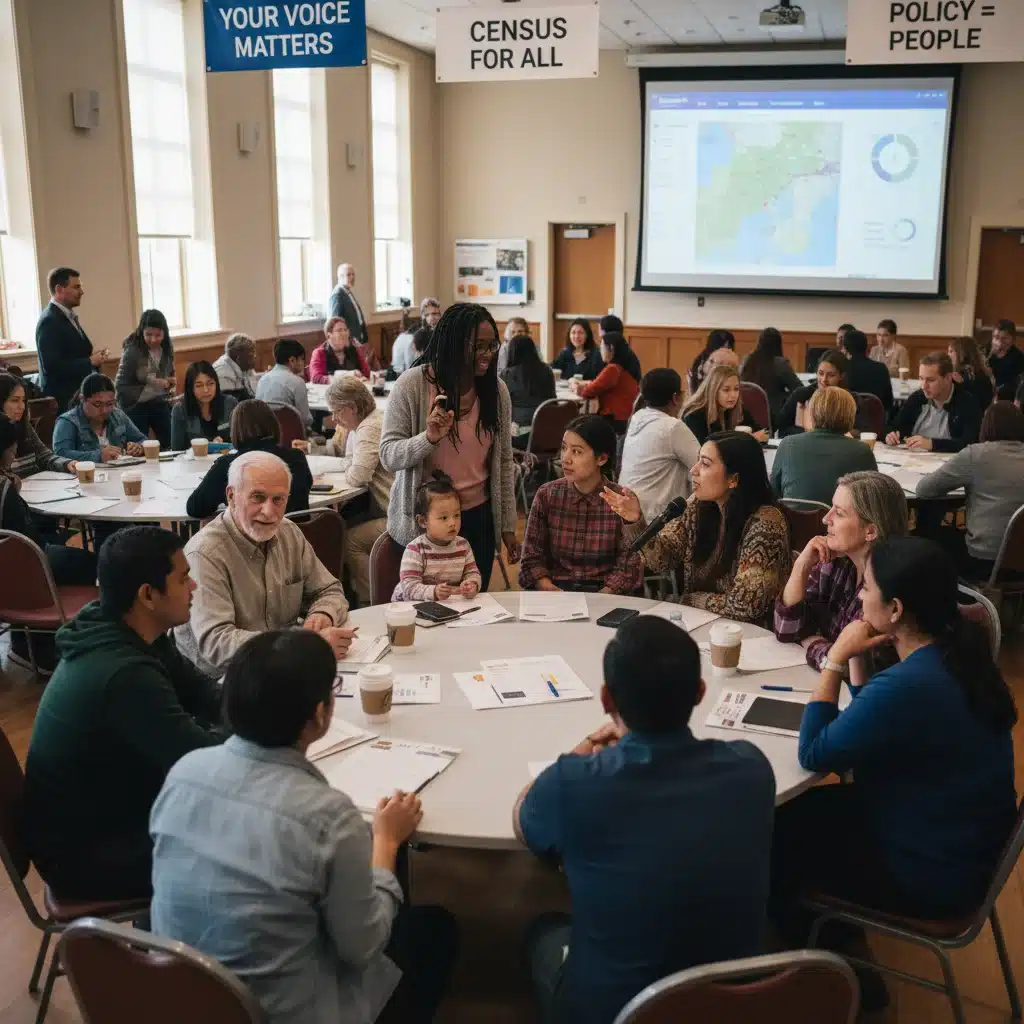
Community organizations and advocacy groups play a vital role in encouraging full participation in the census. An undercount, particularly among hard-to-reach populations, can lead to reduced representation and diminished resources for those communities for an entire decade. Leading up to the 2026 Census data collection, these groups will work to educate the public on the importance of participation and address any barriers to response. Post-release, they will advocate for fair redistricting and equitable resource allocation based on the new data.
Data Analysis and Interpretation
Once the 2026 Census data is released, a massive effort will be undertaken to analyze and interpret its findings. Statisticians, demographers, political scientists, and urban planners will pore over the numbers, identifying key trends and their potential implications. This analysis will be crucial for informing policy decisions, electoral strategies, and public discourse. The ability to effectively interpret complex demographic data will be a key skill for those seeking to understand and influence the future political and social landscape.
Legal and Political Challenges
The redistricting process, driven by the 2026 Census data, is almost invariably accompanied by legal and political challenges. Groups that feel their communities have been unfairly divided or their voting power diluted will likely turn to the courts. These challenges often involve complex legal arguments about equal protection, voting rights, and the intent behind district maps. The outcomes of these legal battles can significantly alter the political landscape, making the judicial interpretation of the 2026 Census data’s application a critical factor.
The Future of Political Representation
The 2026 Census data will not only reflect past trends but also set the stage for the future of political representation. It will force a re-evaluation of how well current systems serve the evolving demographics of a nation. As societies become more diverse and dynamic, the need for flexible and responsive systems of representation becomes ever more apparent.
The insights gleaned from the 2026 Census data will likely spark debates about electoral reforms. Should electoral systems be adapted to better reflect multi-ethnic populations? How can we ensure that rural voices are not completely drowned out by urban growth? What role will technology play in making redistricting more transparent and less partisan? These are just some of the questions that will emerge as the new data highlights disparities and shifts in political influence.
Ultimately, the 2026 Census data is more than just numbers on a page; it is a blueprint for the future. It will determine who holds power, how resources are allocated, and which voices are amplified in the halls of government. For individuals, understanding these shifts means being better equipped to engage in their communities, advocate for their interests, and participate effectively in the democratic process. For nations, it means confronting the realities of demographic change and striving to build a more equitable and representative future.
Conclusion
The upcoming release of the 2026 Census data represents a critical juncture for political representation and governance. Its findings will initiate a ripple effect, from the redrawing of electoral maps and the reapportionment of legislative seats to the reallocation of vital public resources. These changes will undoubtedly shift power dynamics, influence policy priorities, and challenge existing political structures. The data will illuminate significant demographic trends, such as continued urbanization, evolving ethnic compositions, and the challenges of aging populations, forcing political systems to adapt and respond.
While the process of redistricting, often fraught with political maneuvering, will be a central focus, the broader implications of the 2026 Census data extend to economic development, social planning, and the very fabric of community life. Businesses will leverage the data for strategic market analysis, urban planners for infrastructure development, and researchers for critical social insights. As citizens, policymakers, and advocacy groups prepare for and react to this pivotal data release, the emphasis will be on ensuring fair representation, equitable resource distribution, and policies that genuinely reflect the diverse and dynamic needs of the population. The 2026 Census data will not just record history; it will actively shape the future of political representation for the decade to come, making it an indispensable tool for understanding and navigating the evolving landscape of our societies.