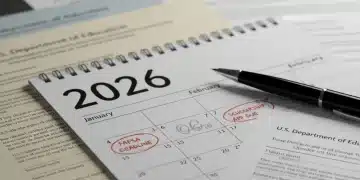
Emergency Rental Assistance Programs 2026: Deadlines & Application Guide

Emergency Rental Assistance Programs 2026: Deadlines and Application Tips
In an ever-evolving economic landscape, securing stable housing remains a paramount concern for countless individuals and families across the nation. The year 2026 brings with it a continued need for robust support systems, and Emergency Rental Assistance Programs (ERAP) stand as a critical lifeline. These programs, designed to prevent homelessness and ensure housing stability, offer financial aid to those struggling to pay rent and utilities. Understanding the nuances of these programs, including crucial deadlines and effective application strategies, is essential for anyone seeking assistance.
The challenges that necessitate rental assistance are varied and often unexpected. Job loss, medical emergencies, unforeseen expenses, and broader economic downturns can quickly destabilize a household’s financial well-being, placing their housing at risk. Recognizing this, federal, state, and local governments, alongside numerous non-profit organizations, have established and continue to fund these vital programs. For those navigating financial hardship, knowing where to turn and how to apply for Rental Assistance Programs 2026 can make all the difference.
This comprehensive guide aims to demystify the process, offering a clear roadmap for prospective applicants. We will delve into the projected landscape of ERAP in 2026, discuss general eligibility requirements, highlight the importance of understanding specific program deadlines, and provide practical, actionable tips to enhance your application’s success. Whether you are facing an immediate housing crisis or proactively seeking information for future stability, this article will equip you with the knowledge needed to confidently approach rental assistance in the coming year.
Understanding the Scope of Emergency Rental Assistance Programs in 2026
Emergency Rental Assistance Programs (ERAP) are not a monolithic entity; rather, they comprise a wide array of initiatives funded by various governmental bodies and private organizations. While the federal government played a significant role in establishing widespread ERAP during the COVID-19 pandemic, many states and localities have continued to run their own programs, often with their own specific funding sources, rules, and durations. As we look towards 2026, it’s important to recognize that the availability and structure of these programs may continue to evolve.
Federal vs. State and Local Programs
Historically, significant federal funding, such as that provided through the Consolidated Appropriations Act, 2021, and the American Rescue Plan Act, 2021, dramatically expanded the reach of rental assistance. While much of this initial federal funding has been disbursed, some states and localities may still be utilizing remaining funds or have established new, ongoing programs with state or local appropriations. This means that while a broad federal program might not be as prominent, localized initiatives for Rental Assistance Programs 2026 will likely remain a crucial resource.
- Federal Programs: Keep an eye on any potential new federal allocations or extensions, though these are less certain than in previous years. Information would typically be disseminated through HUD (Department of Housing and Urban Development) or Treasury Department channels.
- State Programs: Many states have established their own housing departments or agencies that administer rental assistance. These programs often have broader eligibility criteria or are tailored to specific state-level needs.
- Local Programs: Counties, cities, and even smaller municipalities frequently run their own ERAP. These are often the most accessible and tailored to local housing market conditions and resident demographics. Community-based organizations and non-profits often administer these local programs.
Who These Programs Are Designed For
Generally, Emergency Rental Assistance Programs are designed to assist low-income households who are at risk of homelessness or housing instability. This typically includes individuals and families who have experienced a financial hardship, are behind on rent or utilities, or are struggling to meet their current housing obligations. The specific income thresholds and definitions of ‘financial hardship’ can vary significantly from one program to another, making it imperative for applicants to review the criteria for each program they consider.
The goal is not just to provide a temporary fix but to offer a bridge to long-term housing stability. This often means providing funds for past-due rent, future rent payments for a limited period, and utility payments (electricity, gas, water, and sometimes internet). Some programs may also cover security deposits or relocation assistance in specific circumstances.
Key Eligibility Criteria for Rental Assistance Programs 2026
While specific eligibility requirements will vary by program and location, several common criteria are almost universally applied to Rental Assistance Programs 2026. Understanding these general requirements can help you determine if you are likely to qualify and what documentation you will need to prepare.
Income Limitations
The most common criterion is income. Most programs are designed to assist low-income households. This is typically defined as a percentage of the Area Median Income (AMI) for your specific location. Common thresholds are at or below 50% AMI or 80% AMI. Some programs may have slightly higher limits for specific populations or circumstances.
When applying, you will need to provide proof of income for all adult household members. This can include:
- Pay stubs (recent several months)
- Tax returns (most recent year)
- Unemployment benefit statements
- Social Security or disability benefit statements
- Child support documentation
- Bank statements showing regular deposits
Demonstrating Financial Hardship
Applicants must typically demonstrate that they have experienced a financial hardship that has impacted their ability to pay rent or utilities. This hardship must usually have occurred after a certain date (often related to the start of the COVID-19 pandemic, though this might be updated for 2026 programs) or within a recent timeframe. Examples of financial hardship include:
- Job loss or reduction in work hours
- Significant reduction in income
- Increased expenses due to a medical emergency or illness
- Caregiving responsibilities that prevent employment
- Other unexpected financial shocks
Documentation for financial hardship might include termination letters, medical bills, bank statements showing reduced income, or a sworn affidavit explaining your situation.
Risk of Housing Instability or Homelessness
Applicants must also demonstrate that they are at risk of experiencing homelessness or housing instability. This usually means one or more of the following:
- Received an eviction notice
- Behind on rent payments
- Behind on utility payments, which could lead to eviction or loss of essential services
- Living in unsafe or unhealthy housing conditions
- Currently homeless and seeking stable housing
Proof can include eviction notices, past-due rent statements from your landlord, or utility shut-off notices.
Residency and Lease Agreement
You will generally need to be a resident of the jurisdiction where you are applying for assistance. You will also need to have a valid lease agreement or other documentation proving your tenancy. Some programs may also require your landlord’s participation and agreement to receive direct payment.
Navigating Deadlines: Critical for Rental Assistance Programs 2026
Deadlines are perhaps the most critical component of successfully applying for Emergency Rental Assistance Programs 2026. Unlike ongoing social welfare programs, many ERAP initiatives operate with finite funds and specific application windows. Missing a deadline can mean missing out on vital support, even if you meet all other eligibility criteria.
Why Deadlines Vary
The variation in deadlines stems from several factors:
- Funding Availability: Programs often close to new applications once their allocated funds are exhausted. This can happen quickly, especially in areas with high demand.
- Program Structure: Some programs are designed as one-time initiatives with a fixed end date, while others might operate on a rolling basis but have periodic application windows.
- Administrative Capacity: The capacity of the administering agency to process applications can also influence deadlines.
- Policy Changes: New legislation or policy shifts at federal, state, or local levels can introduce new programs or alter existing ones, leading to updated deadlines.
How to Find Current Deadlines for Rental Assistance Programs 2026
Given the localized nature of many programs, there isn’t a single universal source for all deadlines. You will need to be proactive in your search:
- Local Housing Authorities: Start with your city or county housing authority. Their websites are typically the primary source for information on local ERAP.
- State Housing Agencies: Check your state’s housing department or equivalent agency. They often list statewide programs or provide links to local resources.
- Non-Profit Organizations: Organizations like United Way, Catholic Charities, Salvation Army, and other local community action agencies frequently administer rental assistance or can direct you to active programs.
- 211 Service: Dialing 211 in the United States connects you to a comprehensive network of local health and human services. They can often provide up-to-date information on rental assistance programs in your area, including deadlines.
- Landlord Associations: Some landlord associations are aware of programs that can help their tenants and might share information.
- Online Search: Use targeted search terms like “Emergency Rental Assistance [Your City/County] 2026” or “[Your State] Rental Assistance Programs Deadlines.”

Tips for Managing Deadlines
- Start Early: As soon as you anticipate needing assistance, begin researching programs and their deadlines. Do not wait until you receive an eviction notice.
- Create a Calendar: Keep a detailed calendar with all application deadlines, required documents, and follow-up dates.
- Prioritize: If multiple programs are available, prioritize those with earlier deadlines or those for which you most clearly meet the eligibility criteria.
- Gather Documents Proactively: Many documents (proof of income, lease, ID) are common across applications. Have them ready and organized.
- Confirm Information: Always double-check deadlines and requirements directly with the program administrator, as information can change.
Step-by-Step Application Process for Rental Assistance Programs 2026
Applying for Rental Assistance Programs 2026 can feel daunting, but breaking it down into manageable steps can significantly ease the process. Here’s a general guide to help you navigate your application successfully.
Step 1: Identify Potential Programs
As discussed, the first step is to research and identify rental assistance programs available in your specific geographic area (city, county, state). Utilize the resources mentioned above: local housing authorities, state agencies, non-profits, and 211 services. Create a shortlist of programs for which you believe you might qualify.
Step 2: Understand Eligibility and Gather Documentation
For each program on your shortlist, carefully review the specific eligibility criteria. Pay close attention to income limits, financial hardship definitions, and residency requirements. Once you understand what’s needed, begin gathering all necessary documentation. This is often the most time-consuming part, so start early.
Common Required Documents:
- Proof of Identity: Government-issued ID (driver’s license, state ID, passport) for all adult household members.
- Proof of Residency: Current lease agreement, utility bills, or other official mail showing your address.
- Proof of Income: Pay stubs, tax returns, unemployment letters, benefit statements, bank statements for all adult household members.
- Proof of Financial Hardship: Layoff notices, medical bills, bank statements showing reduced income, or a written statement explaining your hardship.
- Proof of Rent Due: Eviction notice, landlord ledger showing arrears, or a letter from your landlord stating the amount owed.
- Utility Bills: Copies of past-due utility bills if you are also seeking utility assistance.
- Landlord Information: Your landlord’s name, contact information, and sometimes their W-9 form for direct payment.
Step 3: Complete the Application Form Accurately
Whether the application is online or paper-based, take your time to fill it out completely and accurately. Incomplete applications are a common reason for delays or rejections. Double-check all names, addresses, income figures, and dates. Ensure consistency across all documents and the application form.
If you encounter questions you don’t understand, seek clarification. Many programs offer hotlines or email support for applicants. Do not guess or leave fields blank.
Step 4: Submit Your Application and Documents
Submit your application and all supporting documents through the specified method (online portal, mail, in-person). Keep copies of everything you submit for your records. If submitting online, take screenshots or print confirmation pages. If mailing, consider using certified mail to confirm delivery.
Step 5: Follow Up and Respond to Requests
After submission, it’s crucial to follow up. Processing times can vary significantly. If you don’t hear back within the stated timeframe, reach out to the program administrator. Be prepared to provide additional information or clarify details if requested. Timely responses to these requests are vital to keeping your application moving forward.
Maximizing Your Chances: Tips for a Successful Application
Beyond simply meeting the basic requirements, there are several strategies you can employ to increase the likelihood of your application for Rental Assistance Programs 2026 being approved efficiently.
Be Organized and Thorough
This cannot be stressed enough. A well-organized application with all required documents easily accessible and clearly labeled will be processed much faster than a disorganized one. Create a folder (physical or digital) dedicated to your application.
Communicate Clearly and Concisely
When writing personal statements or communicating with program staff, be clear, honest, and concise about your situation. Avoid jargon and get straight to the point. Explain your financial hardship and how rental assistance will help you achieve housing stability.
Engage Your Landlord
Many Emergency Rental Assistance Programs require landlord participation, as payments are often made directly to them. Inform your landlord as soon as you apply and explain the process. Ensure they are willing to provide necessary documentation (such as a W-9 form or ledger of payments owed) and communicate with the program administrators. A cooperative landlord can significantly expedite the process.
Seek Assistance if Needed
If you are struggling with the application process, don’t hesitate to seek help. Many non-profit organizations, legal aid societies, and community centers offer free assistance with filling out forms, organizing documents, and understanding program requirements. They can also advocate on your behalf if there are issues.
Be Patient but Persistent
The volume of applications can sometimes lead to delays. While patience is required, persistence is also key. Regularly (but politely) follow up on your application status. If denied, understand the reason and inquire about the appeals process or other available resources.
Understand the Limits and Expectations
Be aware that rental assistance programs have limits on the amount of aid and the duration. They are often designed as short-term solutions. Understand what the program covers (e.g., past due rent, future rent, utilities) and for how long. Plan proactively for your financial stability once the assistance period ends.
Anticipating the Landscape of Rental Assistance in 2026
As we move into 2026, the overall landscape of Emergency Rental Assistance Programs will likely be characterized by a shift from broad, federally funded pandemic-response initiatives to more targeted, state and locally driven efforts. This means a greater emphasis on understanding the specific programs available in your immediate community.
Continued Need and Advocacy
The need for rental assistance is not expected to diminish significantly. Housing affordability challenges, inflation, and economic uncertainties will likely keep demand high. Advocacy groups will continue to push for robust funding at all levels of government to maintain these critical safety nets. Staying informed about local housing policy debates can sometimes provide early insights into new or changing programs.
Focus on Eviction Prevention
Many programs will likely maintain a strong focus on eviction prevention, aiming to intervene before a household becomes homeless. This often means prioritizing applicants who have received eviction notices or are significantly behind on rent. Early application, therefore, remains crucial.
Digital Transformation of Applications
The trend towards online application portals and digital submission of documents is likely to continue and expand. While this can streamline the process for many, it also highlights the need for access to reliable internet and digital literacy. Organizations offering application assistance will play an even more vital role in bridging this digital divide.
Integrated Support Services
Some programs may increasingly integrate rental assistance with other support services, such as job placement assistance, financial counseling, or mental health resources. This holistic approach aims to address the root causes of housing instability, providing more comprehensive and sustainable solutions.
What to Do if You Don’t Qualify or Funds Run Out
Even with thorough preparation, it’s possible that you might not qualify for a specific program, or funds might be exhausted. It’s important not to lose hope and to explore alternative avenues for support.
Explore Other Financial Aid Options
- Utility Assistance Programs: Many utility companies offer their own assistance programs or connect customers with LIHEAP (Low Income Home Energy Assistance Program).
- Food Assistance: Programs like SNAP (Supplemental Nutrition Assistance Program) can free up funds for rent by covering food expenses.
- Cash Assistance: State and local governments may offer general cash assistance programs for families in need.
Contact Non-Profit and Community Organizations
Even if they don’t administer ERAP directly, many non-profits offer emergency financial aid, referrals, or case management services that can help. Churches, synagogues, mosques, and other faith-based organizations often have benevolence funds to assist community members.
Legal Aid Services
If you are facing eviction, contact a local legal aid service immediately. They can provide legal counsel, help you understand your tenant rights, and potentially negotiate with your landlord or represent you in court. Legal intervention can buy you time to secure assistance or find new housing.
Negotiate with Your Landlord
Open communication with your landlord is key. Explain your situation and what steps you are taking to secure funds. They may be willing to work with you on a payment plan, especially if they know you are actively seeking assistance. Some landlords prefer to avoid the eviction process if possible.

Budgeting and Financial Counseling
Consider seeking financial counseling to help you create a budget, manage debt, and develop a long-term financial plan. Many non-profits offer these services for free or at a low cost. This can help prevent future housing crises.
Conclusion: Securing Your Housing Stability in 2026
The availability of Emergency Rental Assistance Programs 2026 remains a vital resource for individuals and families facing housing instability. While the landscape of these programs may continue to shift, the fundamental principles of successful application remain constant: thorough research, meticulous preparation, timely submission, and proactive follow-up.
By understanding the general eligibility criteria, diligently searching for programs in your specific area, and paying close attention to critical deadlines, you significantly increase your chances of receiving the support you need. Remember to gather all necessary documentation well in advance, complete your application accurately, and engage your landlord in the process. Should you encounter challenges, do not hesitate to seek assistance from community organizations or legal aid services.
Your housing stability is paramount. Armed with the information and tips provided in this guide, you can confidently navigate the application process for Rental Assistance Programs 2026 and take a crucial step towards securing a stable future for yourself and your family. Stay informed, stay organized, and don’t be afraid to ask for help.