Veteran Benefits 2026: Secure Up to $3,000 Monthly Aid

Veteran Benefits 2026: Navigating the Path to Up to $3,000 in Monthly Aid
As we look towards 2026, understanding the landscape of Veteran Benefits 2026 is crucial for millions of American heroes who have served our nation. The Department of Veterans Affairs (VA) continuously updates its programs, and staying informed is key to securing the financial and medical support you’ve earned. This comprehensive guide aims to shed light on how veterans can potentially secure up to $3,000 in monthly aid through various VA programs, detailing eligibility, application processes, and strategies for maximizing your entitlements.
The Evolving Landscape of Veteran Benefits 2026
The commitment to our veterans remains a top priority, and Veteran Benefits 2026 are designed to provide a robust safety net. These benefits encompass a wide array of services, including disability compensation, pension programs, healthcare, education, home loans, and more. While the exact figures and specific program details can shift, the core mission of supporting veterans and their families endures. For 2026, particular attention is being paid to streamlining application processes, enhancing mental health services, and ensuring that benefits keep pace with the cost of living.
Understanding Your Eligibility: The First Step to Securing Aid
Eligibility for Veteran Benefits 2026 is not a one-size-fits-all scenario. It depends on several factors, including your service record, discharge status, income, and the nature of your disabilities or needs. Generally, you must have served in the active military, naval, or air service and have been separated under any condition other than dishonorable. Specific programs have additional criteria:
- Disability Compensation: For veterans with service-connected disabilities. The amount depends on the severity of your disability and the number of dependents.
- VA Pension: For wartime veterans with limited income and who are permanently and totally disabled, or age 65 or older.
- Aid and Attendance or Housebound Benefits: Additional monetary aid for veterans receiving a VA pension who require the aid of another person for daily activities or are largely confined to their homes.
It’s important to gather all relevant documentation, such as your DD-214 (Certificate of Release or Discharge from Active Duty), medical records, and financial statements, before starting any application process. These documents are foundational to proving your eligibility for specific Veteran Benefits 2026.
Unpacking the Potential for $3,000 in Monthly Aid
The figure of $3,000 in monthly aid is an aspirational goal for many veterans, and it is achievable through a combination of various VA programs. It’s rarely a single benefit that provides this amount, but rather a strategic stacking of entitlements. Here’s how it typically breaks down:
Disability Compensation: The Foundation of Many Benefits
For many veterans, disability compensation forms the largest portion of their monthly VA aid. The VA assigns a disability rating from 0% to 100% in 10% increments. As of recent years, a 100% disability rating for a single veteran could exceed $3,000 per month, especially with additional allowances for dependents. For Veteran Benefits 2026, these rates are subject to cost-of-living adjustments (COLAs), which typically increase annually to keep pace with inflation.
- Example: A veteran with a 100% service-connected disability rating, married, with two children, could potentially receive over $3,000 per month. Special Monthly Compensation (SMC) – an additional benefit paid to veterans with certain severe disabilities or combinations of disabilities – can significantly increase this amount.
To maximize your disability compensation, ensure all service-connected conditions are properly documented and claimed. This includes both physical and mental health conditions. Seeking assistance from a Veteran Service Organization (VSO) can be invaluable in preparing a thorough and compelling claim for Veteran Benefits 2026.
VA Pension Programs: Supporting Low-Income Wartime Veterans
For wartime veterans facing financial hardship, the VA Pension program provides a crucial safety net. This is a needs-based benefit, meaning your income and assets must fall below certain thresholds. While the basic pension amount may not reach $3,000, it can be significantly augmented by Aid and Attendance or Housebound benefits.
- Aid and Attendance: This benefit is added to the basic pension for veterans who need help with daily activities (e.g., bathing, dressing, eating) or are bedridden.
- Housebound: This benefit is for veterans confined to their home due to a permanent disability.
Combining a basic VA Pension with Aid and Attendance can push the total monthly aid significantly higher, especially for single veterans or those with dependent spouses. The maximum amounts for these combined benefits can approach or even exceed the $3,000 mark, making them a critical component of Veteran Benefits 2026 planning for eligible individuals.
Beyond Direct Financial Aid: Other Key Veteran Benefits 2026
While direct monthly payments are often the focus, Veteran Benefits 2026 extend far beyond cash assistance. These additional benefits contribute significantly to a veteran’s overall well-being and financial stability, indirectly freeing up resources that might otherwise be spent on essential services.
Comprehensive VA Healthcare
Access to high-quality healthcare is one of the most valuable benefits. The VA healthcare system provides a wide range of services, including primary care, specialty care, mental health services, prescriptions, and more. For many veterans, this means substantial savings on medical expenses, which can be equivalent to hundreds or even thousands of dollars per month in the private sector. Understanding your enrollment priority group is important, as it determines the level of care and potential co-pays.
Education and Training (GI Bill)
The Post-9/11 GI Bill and other education benefits are transformative for veterans seeking to further their education or vocational training. These benefits can cover tuition, housing allowances, and stipends for books and supplies. While not a direct monthly cash payment to the veteran in all cases, the housing allowance can be substantial, and the educational opportunities lead to long-term financial stability and career advancement.
Home Loan Guaranty
The VA Home Loan Guaranty program helps veterans and eligible surviving spouses purchase, build, repair, retain, or adapt a home. With no down payment typically required and competitive interest rates, this benefit can save veterans tens of thousands of dollars over the life of a mortgage. This financial advantage is a significant part of the broader package of Veteran Benefits 2026.

Navigating the Application Process for Veteran Benefits 2026
Applying for Veteran Benefits 2026 can seem daunting, but breaking it down into manageable steps can simplify the process. Patience and thoroughness are key.
Step 1: Gather Your Documentation
Before you even start an application, ensure you have all necessary documents:
- DD-214 or other separation documents
- Medical records (service treatment records, private medical records)
- Marriage certificates and birth certificates for dependents
- Financial records (for pension applications)
- Any other supporting evidence related to your claim (e.g., buddy statements, personal statements)
Step 2: Seek Assistance from a VSO
This is arguably the most critical step. Veteran Service Organizations (VSOs) like the American Legion, Disabled American Veterans (DAV), Veterans of Foreign Wars (VFW), and others offer free assistance to veterans navigating the VA claims process. They have accredited representatives who can:
- Explain specific Veteran Benefits 2026 and eligibility criteria.
- Help you gather necessary evidence.
- Fill out complex forms correctly.
- Submit claims on your behalf.
- Represent you during appeals if necessary.
Their expertise can significantly increase your chances of a successful claim and help ensure you receive all the benefits you are entitled to.
Step 3: File Your Claim
Claims can be filed online through VA.gov, by mail, or with the assistance of a VSO. For disability compensation, you’ll typically file VA Form 21-526EZ, ‘Application for Disability Compensation and Related Compensation Benefits.’ For pension, it’s VA Form 21P-530, ‘Application for VA Pension.’ Be as detailed and accurate as possible.
Step 4: Attend Appointments and Examinations
For disability claims, the VA may schedule you for Compensation & Pension (C&P) exams. It is crucial to attend these appointments and be honest and thorough about your conditions and how they impact your daily life. These exams are vital for the VA to assess the severity of your service-connected conditions.
Step 5: Follow Up and Appeals
The VA claims process can take time. Regularly check the status of your claim on VA.gov or through your VSO. If your initial claim is denied or you receive a lower rating than expected, don’t be discouraged. You have the right to appeal the decision. Again, a VSO can provide invaluable assistance during the appeals process.
Maximizing Your Veteran Benefits 2026: Key Strategies
To ensure you are receiving the maximum possible aid, consider these strategies:
1. Understand the Full Scope of Benefits
Don’t limit your understanding to just one or two benefits. Explore all available Veteran Benefits 2026, including lesser-known ones like burial benefits, vocational rehabilitation, and survivor benefits for your family. A holistic approach ensures no entitlement is left unclaimed.
2. Re-evaluate Your Disability Ratings
If your service-connected conditions have worsened over time, you can file a claim for an increased disability rating. This can significantly boost your monthly compensation. Similarly, if you have developed new conditions that you believe are secondary to a service-connected condition, claim them.
3. Explore Special Monthly Compensation (SMC)
SMC is an additional tax-free benefit paid to veterans with certain severe disabilities or combinations of disabilities. Conditions such as loss of a limb, blindness, or being housebound can qualify you for SMC, substantially increasing your monthly aid. Ensure your VSO explores all possibilities for SMC when reviewing your case for Veteran Benefits 2026.
4. Consider Aid and Attendance or Housebound Benefits
If you are a wartime veteran receiving a VA pension and require assistance with daily living or are largely confined to your home, these additional benefits can provide substantial financial relief. The criteria can be complex, so professional guidance is highly recommended.
5. Keep Your Information Updated
Inform the VA of any changes in your marital status, number of dependents, or income (especially for pension recipients). This ensures your benefits are accurately calculated and adjusted as needed for Veteran Benefits 2026.
6. Leverage Community Resources
Beyond federal VA benefits, many states and local communities offer additional programs and resources for veterans. These can include property tax exemptions, educational assistance, employment services, and more. Research what is available in your area.
The Future of Veteran Benefits: What to Expect in 2026 and Beyond
The landscape of Veteran Benefits 2026 is continually evolving. Legislative changes, technological advancements, and shifting societal needs all play a role in shaping the support available to veterans. Here are some trends and areas to watch:
Enhanced Mental Health Services
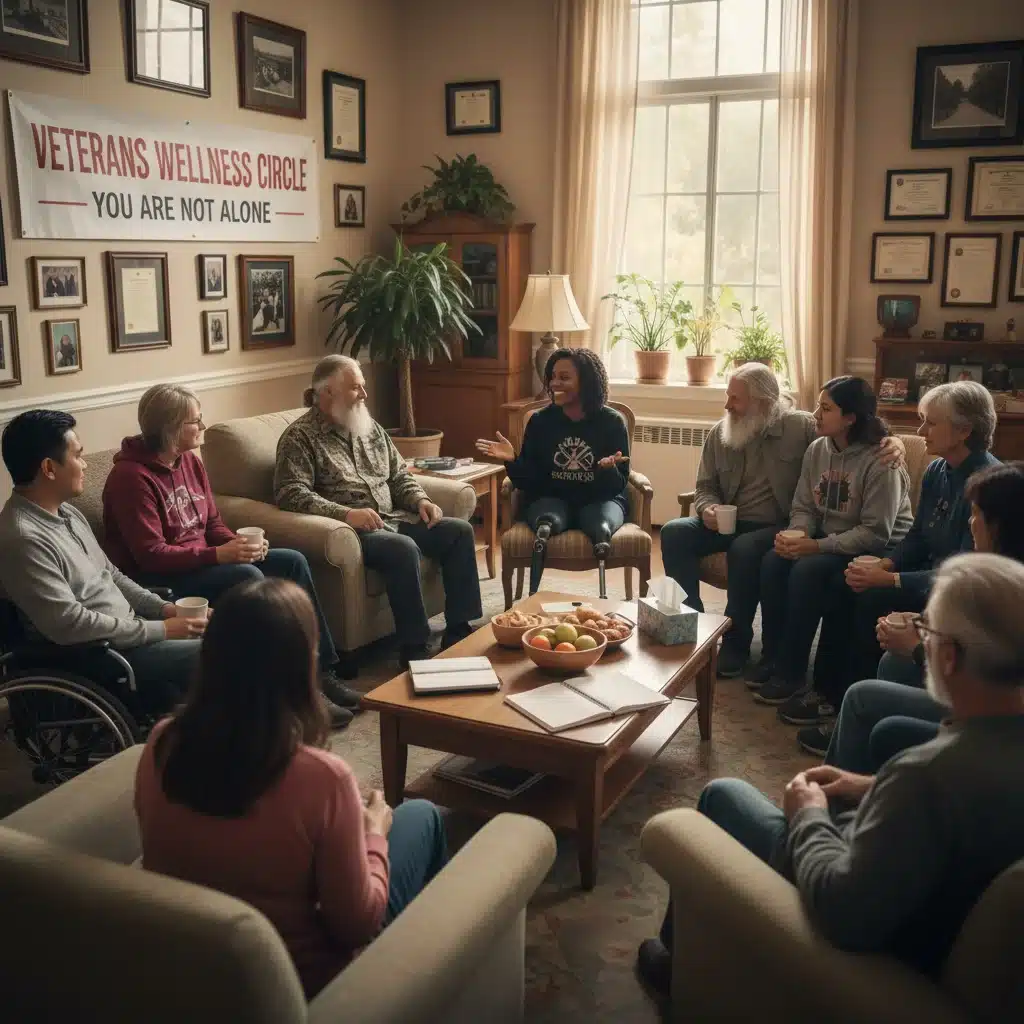
There’s a growing recognition of the importance of mental health care for veterans. Expect continued expansion of mental health resources, including telehealth options, peer support programs, and specialized treatments for PTSD, depression, and other conditions. Access to timely and effective mental health care will be a cornerstone of Veteran Benefits 2026.
Focus on Homelessness and Housing Support
Efforts to combat veteran homelessness remain a high priority. Programs offering housing assistance, rental subsidies, and support services are likely to see continued investment and innovation. The goal is to ensure every veteran has a safe and stable place to call home.
Caregiver Support Expansion
Caregivers of seriously injured veterans play an indispensable role. The VA’s Program of Comprehensive Assistance for Family Caregivers is expected to continue its phased expansion, offering financial stipends, training, and support to eligible caregivers. This acknowledges the immense dedication of these individuals and their contribution to a veteran’s well-being.
Streamlined Digital Services
The VA is continually working to improve its online presence and digital services. Expect more user-friendly interfaces, improved online application processes, and better access to information through VA.gov and associated apps. This digital transformation aims to make accessing Veteran Benefits 2026 more efficient and less burdensome.
Addressing Toxic Exposure
With the passage of the PACT Act, the VA has expanded healthcare and benefits for veterans exposed to toxic substances during their service, such as Agent Orange, burn pits, and other contaminants. For Veteran Benefits 2026, continued outreach and processing of these claims will be a major focus, ensuring that veterans affected by toxic exposures receive the care and compensation they deserve.
Common Pitfalls to Avoid When Claiming Veteran Benefits 2026
While the VA aims to be veteran-friendly, certain mistakes can delay or jeopardize your claim:
- Not Filing a Claim: The most common mistake is not applying for benefits out of confusion or thinking you don’t qualify. Always inquire.
- Incomplete Applications: Missing information or incorrectly filled forms can lead to significant delays.
- Lack of Medical Evidence: Without proper medical documentation linking your condition to service, your claim may be denied.
- Not Attending C&P Exams: Failing to show up for scheduled examinations is a common reason for claim denial.
- Going It Alone: While possible, navigating the complex VA system without the help of a VSO can be challenging and often leads to less favorable outcomes.
- Ignoring Deadlines: Pay close attention to appeal deadlines and submission requirements.
Conclusion: Empowering Veterans Through Knowledge of Veteran Benefits 2026
Securing up to $3,000 in monthly aid through Veteran Benefits 2026 is not just a possibility; it’s a reality for many veterans who understand the system and proactively pursue their entitlements. This guide has aimed to demystify the process, highlighting the various avenues for financial, medical, and educational support. From disability compensation and pension programs to comprehensive healthcare and housing assistance, the VA offers a robust suite of benefits designed to honor your service.
The key takeaways are clear: understand your eligibility, meticulously gather your documentation, and most importantly, leverage the invaluable expertise of Veteran Service Organizations. Their accredited representatives are your best allies in navigating the complexities of the VA system, ensuring your claims are strong, accurate, and receive the attention they deserve.
As we move into 2026, the commitment to our veterans remains unwavering. By staying informed, advocating for your rights, and utilizing the resources available, you can ensure that you and your family receive the full spectrum of benefits you have rightfully earned through your sacrifice and service to the United States of America. Your service was a profound gift to the nation; ensuring you receive your due Veteran Benefits 2026 is a profound responsibility we all share.