
The landscape of US Immigration Policy is perpetually in motion, a complex tapestry woven from legislative debates, executive decisions, and societal pressures. For individuals, families, businesses, and legal professionals alike, understanding the potential shifts and anticipating future developments is not just beneficial, but often critical. As we look ahead to the next six months, several key areas are poised for significant changes, which could reshape who comes to the United States, under what conditions, and how they integrate into American society.
This comprehensive guide aims to dissect the most probable and impactful changes in US Immigration Policy. We will delve into the legislative agenda, potential executive actions, and the broader socio-political factors influencing these developments. Our goal is to provide a clear, actionable overview, equipping you with the knowledge to navigate this evolving environment.
Understanding the Current State of US Immigration Policy
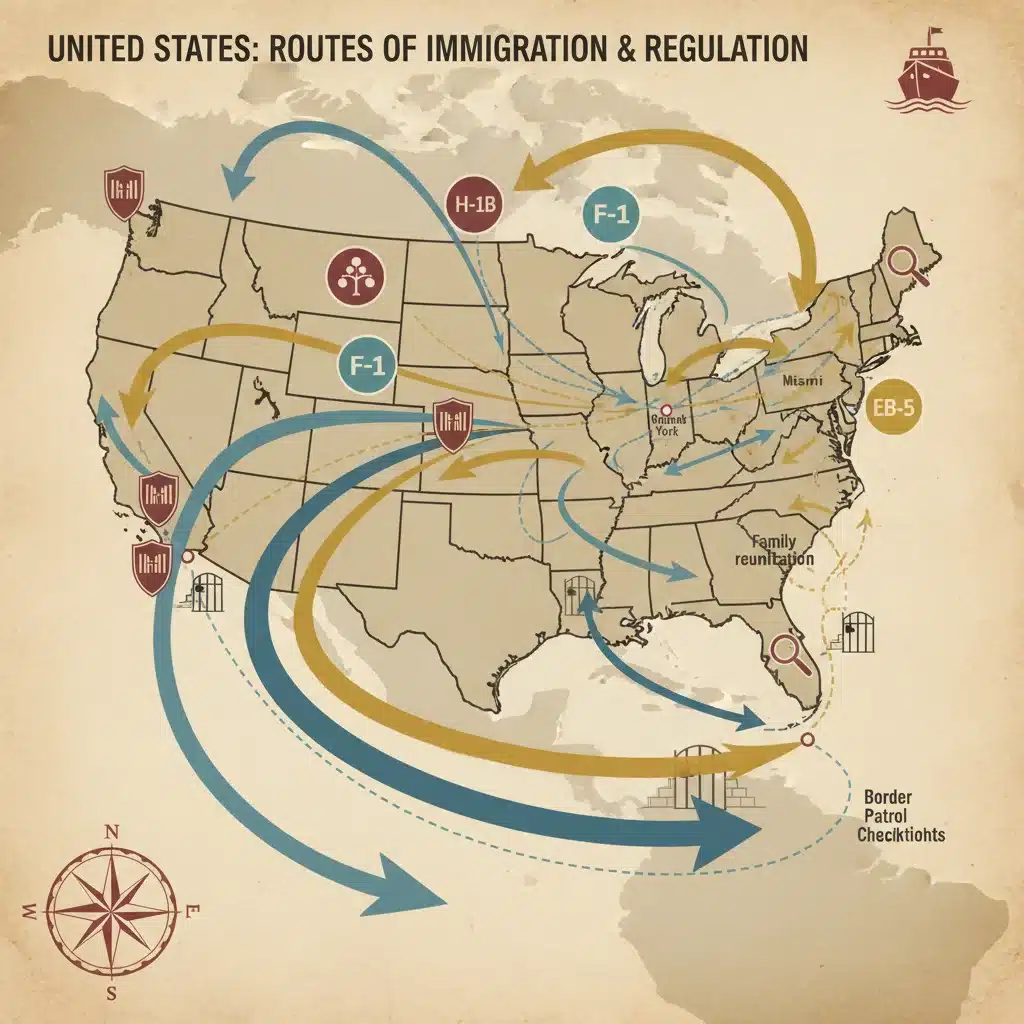
Before we project forward, it’s essential to grasp the current foundational elements of US Immigration Policy. The system is a blend of various acts, regulations, and court precedents. Key components include:
- Family-Based Immigration: Allowing U.S. citizens and lawful permanent residents to petition for certain family members.
- Employment-Based Immigration: Visas for skilled workers, professionals, investors, and others contributing to the U.S. economy.
- Humanitarian Immigration: Asylum, refugee status, and temporary protected status for those fleeing persecution or instability.
- Diversity Visa Program: A lottery system for individuals from countries with historically low rates of immigration to the U.S.
- Border Security and Enforcement: Measures at the border and within the country to manage unauthorized immigration.
Each of these pillars is subject to influence from different branches of government and public sentiment. The interplay between these elements creates a dynamic and often unpredictable environment for US Immigration Policy.
Legislative Outlook: What’s on Congress’s Agenda?
Congress remains a primary driver of long-term changes to US Immigration Policy. While significant bipartisan reform has been elusive for years, the upcoming months could see renewed efforts or targeted legislative pushes. Key areas of focus might include:
Border Security Enhancements
Increased calls for stricter border controls and enhanced technological surveillance are likely to dominate congressional discussions. This could translate into legislation allocating more funds for Customs and Border Protection (CBP) and Immigration and Customs Enforcement (ICE), potentially expanding their capabilities and personnel. Debates will likely revolve around the balance between security and humanitarian concerns, especially regarding asylum seekers at the southern border. Any new border security legislation would undoubtedly be a major shift in US Immigration Policy.
Targeted Visa Reforms
While comprehensive immigration reform might be a heavy lift, there’s always potential for more targeted legislative changes. This could involve adjustments to specific visa categories, such as H-1B visas for high-skilled workers, or reforms to agricultural worker programs. Businesses and tech companies often lobby for increases in skilled worker visas, arguing it’s crucial for economic competitiveness. Conversely, some groups advocate for prioritizing American workers. Any movement here, even incremental, could significantly impact specific sectors and individuals seeking to work in the U.S.
Pathways to Citizenship or Legal Status
The question of legal status for undocumented immigrants, particularly ‘Dreamers’ (DACA recipients), remains a poignant and politically charged issue. While a comprehensive pathway to citizenship for all undocumented individuals is unlikely to pass Congress in the short term, there might be renewed attempts to provide a more permanent solution for DACA recipients. Even if these efforts do not yield immediate results, the ongoing debate will keep the spotlight on this aspect of US Immigration Policy.
Asylum System Overhaul
The current asylum system is under immense strain, leading to backlogs and prolonged processing times. Congress might consider legislation aimed at streamlining the asylum process, potentially introducing new eligibility requirements or accelerating adjudication. These changes could have profound implications for individuals seeking protection in the U.S., altering their access to legal aid, work permits, and ultimately, their chances of obtaining asylum.
Executive Actions: The President’s Prerogative
In the absence of comprehensive legislative reform, executive actions often become the primary mechanism for adjusting US Immigration Policy. The President has significant power to direct federal agencies, issue executive orders, and influence the interpretation and enforcement of existing laws. In the next six months, we can anticipate several key areas where executive actions might lead to significant changes:
Border Management and Enforcement Directives
The administration can issue new directives to CBP and ICE regarding border enforcement strategies, detention policies, and deportation priorities. This could include changes to expedited removal processes, increased use of technology at the border, or adjustments to policies concerning family separations. These executive decisions can drastically alter the experience of individuals encountering immigration authorities at the border and within the interior of the country. Expect continued focus on reducing irregular migration and enhancing border security through executive means.
Visa Processing and Adjudication
Executive agencies like the Department of State and U.S. Citizenship and Immigration Services (USCIS) have considerable discretion over visa processing times, interview procedures, and application requirements. We might see executive directives aimed at either expediting certain visa categories to address backlogs or implementing stricter vetting processes. Changes in these operational aspects of US Immigration Policy can have a direct impact on individuals applying for visas from abroad or adjusting their status within the U.S.

Humanitarian Programs and Protections
The administration can also influence humanitarian aspects of US Immigration Policy. This could involve designations or re-designations of Temporary Protected Status (TPS) for countries experiencing conflict or natural disasters, adjustments to refugee admissions ceilings, or new policies related to parole programs. These actions are often taken in response to global events and can offer critical protections to vulnerable populations, or conversely, limit access to such protections.
Public Charge Rule Revisions
The ‘public charge’ rule, which assesses whether an immigrant is likely to become primarily dependent on government assistance, has seen various interpretations and changes over recent administrations. While the Biden administration largely reversed stricter Trump-era policies, further clarifications or minor adjustments to this rule could still emerge. Such changes in US Immigration Policy directly affect eligibility for green cards and certain visas, particularly for those with limited financial resources.
Judicial Influence: Courts as Arbiters of Policy
Beyond the legislative and executive branches, the judiciary plays a crucial role in shaping US Immigration Policy. Court decisions, from district courts up to the Supreme Court, can uphold, strike down, or interpret immigration laws and executive actions. In the coming months, several ongoing legal challenges could reach critical junctures, impacting various aspects of immigration:
- Challenges to Border Policies: Lawsuits concerning the legality of certain border enforcement tactics, detention conditions, or asylum processing procedures are frequent.
- DACA Litigation: The Deferred Action for Childhood Arrivals (DACA) program remains under legal challenge, and a definitive ruling from the Supreme Court or lower courts could determine its future.
- Regulatory Challenges: New executive orders or agency regulations often face legal challenges, leading to injunctions or modifications.
The outcomes of these cases can either solidify existing US Immigration Policy or force significant revisions, sometimes with immediate and widespread effects.
Socio-Political Factors and Global Events
No discussion of US Immigration Policy would be complete without acknowledging the profound influence of socio-political factors and global events. These external forces often act as catalysts for policy changes or shape the political will to address immigration issues.
The Upcoming Election Cycle
With a major election cycle on the horizon, immigration is almost certainly going to be a prominent campaign issue. Candidates will articulate their visions for border security, legal immigration, and enforcement, which can influence legislative priorities and executive actions both leading up to and following the elections. The rhetoric surrounding immigration can also sway public opinion and impact the feasibility of certain policy proposals. The electoral landscape is a significant determinant of the direction of US Immigration Policy.
Economic Conditions
Economic conditions, both domestically and globally, often impact immigration policy. Periods of economic growth might lead to calls for increased skilled immigration to fill labor shortages, while economic downturns can fuel arguments for stricter controls to protect domestic jobs. Inflation, labor market dynamics, and global trade agreements can all indirectly influence the direction of US Immigration Policy.
Geopolitical Instability and Crises
International conflicts, humanitarian crises, and natural disasters can lead to significant migratory flows, placing pressure on the U.S. to respond. Such events often necessitate quick adjustments to refugee and asylum policies, or the creation of special humanitarian parole programs. The U.S. response to these global challenges directly shapes the humanitarian component of its US Immigration Policy.
Public Opinion and Advocacy Groups
Public sentiment, shaped by media, advocacy groups, and personal experiences, plays a vital role in shaping the political discourse around immigration. Both pro-immigrant and restrictionist organizations actively lobby lawmakers and influence public opinion, pushing for specific changes or defending the status quo. Their collective efforts can create significant pressure on policymakers to address particular aspects of US Immigration Policy.
Key Areas to Monitor in the Next 6 Months
Given the various influences, here are the critical areas within US Immigration Policy that individuals and stakeholders should closely monitor over the next six months:
- Border Enforcement and Asylum Processing: Expect continued focus on the southern border, with potential for new executive actions or legislative proposals aimed at managing irregular migration and reforming the asylum system. The debate around Title 42’s potential return or replacement will be central.
- Visa Bulletin Movements: For those in the family-based and employment-based categories, closely watch the monthly Visa Bulletin for shifts in cut-off dates, which indicate significant changes in visa availability and processing backlogs. This is a crucial indicator of the pace of legal immigration.
- DACA Developments: Any significant court rulings or legislative attempts related to DACA will have immediate and profound effects on hundreds of thousands of individuals.
- Employment-Based Visa Caps: Discussions around increasing the caps for H-1B and other employment-based visas could gain traction, especially if economic conditions warrant it.
- Refugee and Humanitarian Admissions: The administration’s stance on refugee resettlement and responses to new global crises will determine the numbers and categories of individuals admitted under humanitarian programs.
Preparing for Changes: What You Can Do
Anticipating changes in US Immigration Policy is one thing; preparing for them is another. Here are practical steps individuals and organizations can take:
For Individuals and Families
- Stay Informed: Regularly consult reliable sources such as USCIS, Department of State, and reputable immigration legal news outlets.
- Consult Legal Counsel: If you have an ongoing immigration case or are considering filing one, consult with an experienced immigration attorney. They can provide personalized advice based on the latest developments in US Immigration Policy.
- Gather Documentation: Ensure all necessary documents are organized and readily accessible. Delays can often be caused by missing or incomplete paperwork.
- Understand Your Rights: Be aware of your rights if you encounter immigration enforcement officials.
For Businesses and Employers
- Monitor Visa Programs: Keep a close eye on changes to H-1B, L-1, E-2, and other employment-based visa programs. Understand potential impacts on your workforce planning.
- Compliance Checks: Regularly review your I-9 compliance procedures to ensure adherence to current regulations.
- Engage with Legal Experts: Work with immigration lawyers specializing in business immigration to navigate complex regulations and anticipate changes in US Immigration Policy.
- Advocate: Consider joining industry groups that advocate for specific immigration reforms beneficial to your sector.
For Advocacy Groups and Non-Profits
- Lobbying Efforts: Continue to engage with lawmakers and their staff to advocate for policies that align with your mission.
- Public Awareness Campaigns: Educate the public on the impacts of various immigration policies and foster informed discussions.
- Legal Aid and Support: Prepare to assist affected communities with legal resources and support services as policies shift.
Long-Term Implications and Future Trends
While our focus is on the next six months, it’s crucial to acknowledge that these short-term changes contribute to the broader, long-term trajectory of US Immigration Policy. The recurring themes of border security versus humanitarian concerns, economic needs versus domestic labor protection, and the role of the U.S. in global migration will continue to shape discussions for years to come.
Future trends may include an increasing reliance on technology for border management, more sophisticated data analysis for visa processing, and continued global pressures from climate change and political instability driving migration. The ability of the U.S. to adapt its US Immigration Policy to these evolving challenges will define its future as a nation of immigrants.
The next six months will undoubtedly be a period of dynamic change for US Immigration Policy. Staying informed, preparing proactively, and engaging thoughtfully are the best strategies for navigating this complex and critical area. Whether you are an immigrant, a business owner, a legal professional, or simply an engaged citizen, understanding these shifts is paramount to participating in and adapting to the evolving immigration landscape of the United States.
The constant evolution of US Immigration Policy demands vigilance and adaptability. From legislative pushes in Congress to executive orders from the White House, and pivotal decisions from the judiciary, every branch of government plays a role. Add to this the external pressures of global events and domestic socio-political currents, and the picture becomes even more intricate. The emphasis on border security, the perpetual debate over pathways to legal status, and the adjustments to employment and family-based visas will continue to be central themes. For anyone impacted by or interested in immigration, remaining current with these developments is not just an advantage, but a necessity.
As we move through the next half-year, the shifts in US Immigration Policy will have tangible effects on millions of lives. From the processing times for a green card application to the enforcement strategies at the border, these changes will resonate across various communities. Therefore, a proactive approach, characterized by seeking expert advice and staying continuously updated, will be invaluable. This comprehensive review aims to empower you with the insights needed to navigate the complex and ever-changing world of US Immigration Policy effectively.