Bridging the Digital Divide: Federal Initiatives Connecting Students
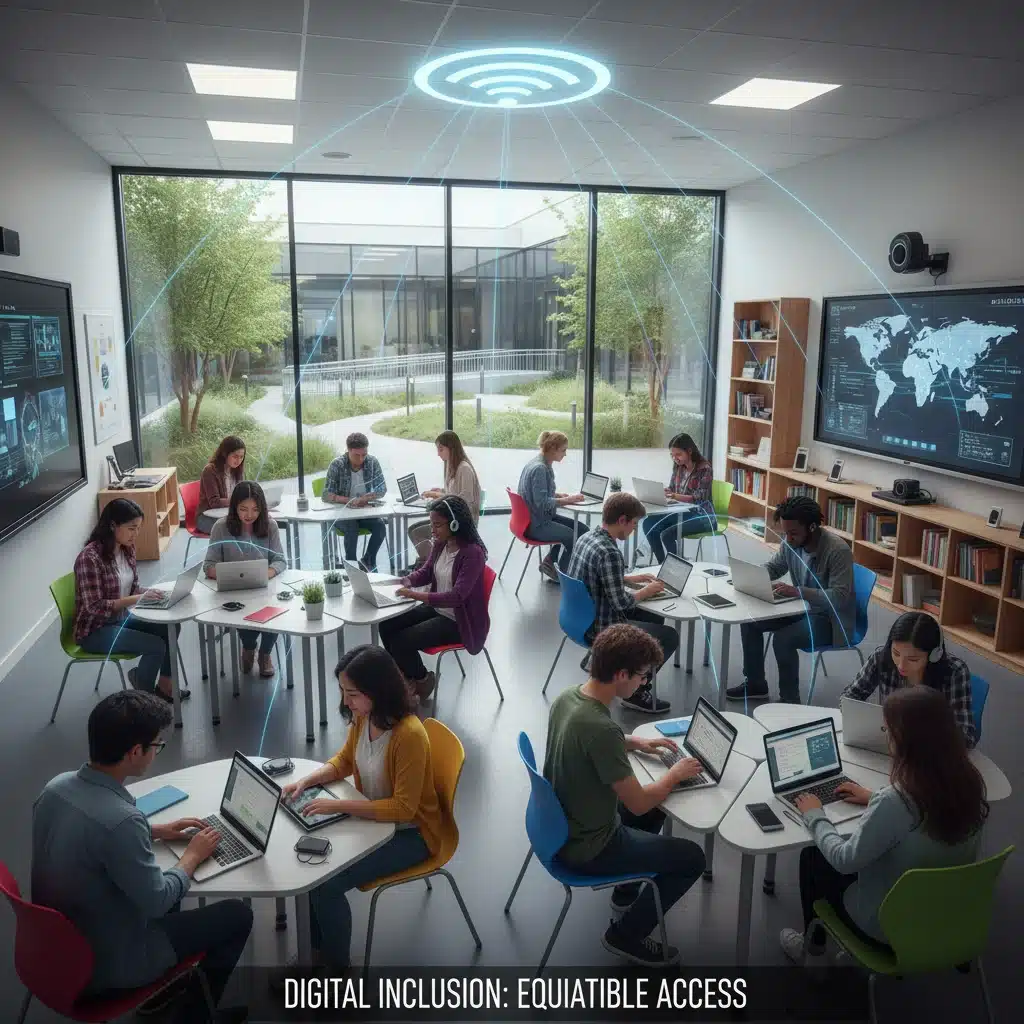
The 21st century classroom extends far beyond physical walls, demanding ubiquitous access to digital resources and high-speed internet. Yet, a significant portion of students across the nation still grapple with the harsh realities of the digital divide in education. This disparity in access to technology and internet connectivity profoundly impacts learning outcomes, exacerbates educational inequalities, and limits future opportunities for millions. Recognizing this urgent need, the federal government has ramped up its efforts, launching and expanding initiatives with an ambitious goal: to connect 10 million students by 2026. This article delves into these crucial federal initiatives, exploring their scope, impact, and the path forward in ensuring every student has the tools they need to succeed in a digitally-driven world.
Bridging the Digital Divide in Education: Federal Initiatives Connecting 10 Million Students by 2026
The phrase "digital divide" has become a pervasive term in educational discourse, encapsulating the chasm between those with ready access to technology and the internet, and those without. This gap is not merely a matter of convenience; it is a fundamental barrier to equitable education, particularly in an era where remote learning, online resources, and digital literacy are paramount. The COVID-19 pandemic starkly illuminated the profound consequences of this divide, forcing educators and policymakers to confront the urgent need for universal connectivity.
In response, the federal government has committed substantial resources and strategic planning to address the digital divide in education. The objective is clear and compelling: to ensure that 10 million more students gain access to reliable, affordable internet and necessary devices by the year 2026. This ambitious target underscores a national recognition that digital inclusion is no longer a luxury but a fundamental right for every student.
Understanding the Digital Divide in Education
Before we explore the solutions, it’s essential to fully grasp the multifaceted nature of the digital divide. It’s not just about whether a student has a computer; it encompasses several critical dimensions:
- Access to Devices: Do students have personal computers, laptops, or tablets suitable for educational tasks? Many families, particularly those in low-income brackets, struggle to afford these essential tools.
- Internet Connectivity: Is there reliable, high-speed internet access at home? The "homework gap" refers to students who cannot complete assignments because they lack home internet access, forcing them to rely on public Wi-Fi or struggle with slow connections.
- Affordability: Even if infrastructure exists, can families afford the monthly cost of internet service? High prices can be a significant deterrent.
- Digital Literacy: Do students, parents, and even some educators possess the necessary skills to effectively use digital tools and navigate online environments safely and productively?
- Quality of Access: Not all internet access is equal. Slow, unreliable connections can be as detrimental as no connection at all, hindering participation in video conferences or resource-intensive online learning platforms.
The digital divide disproportionately affects rural communities, low-income urban areas, and certain minority groups. Addressing this complex issue requires a comprehensive strategy that tackles each of these dimensions, ensuring not just access, but meaningful access, for all students. The federal initiatives discussed herein are designed to do precisely that, aiming to close the digital divide in education for good.
Key Federal Initiatives to Bridge the Digital Divide
Several landmark federal programs and legislative actions are at the forefront of the effort to bridge the digital divide in education. These initiatives leverage funding, partnerships, and policy changes to expand connectivity and provide essential resources. Understanding these programs is key to appreciating the scope of the federal commitment.
1. The Emergency Connectivity Fund (ECF)
Perhaps one of the most impactful recent initiatives, the Emergency Connectivity Fund (ECF), was established as part of the American Rescue Plan. Administered by the Federal Communications Commission (FCC), the ECF provides $7.17 billion to schools and libraries for the purchase of connected devices (laptops, tablets) and broadband internet services (including Wi-Fi hotspots) to facilitate off-campus learning. This program directly addresses the "homework gap" and the lack of devices, two critical components of the digital divide in education.
- Impact: The ECF has been instrumental in providing millions of students with the tools they need for remote and hybrid learning. It has allowed schools and libraries to invest in technology that directly supports student learning outside of school hours.
- Reach: By enabling schools and libraries to apply for funding, the ECF ensures that support reaches students in diverse geographical and socio-economic settings, directly contributing to the goal of connecting 10 million students.
2. Affordable Connectivity Program (ACP)
The Affordable Connectivity Program (ACP) is another cornerstone of federal efforts to combat the digital divide. Succeeding the Emergency Broadband Benefit, the ACP helps low-income households afford the broadband internet service they need for work, school, healthcare, and more. Eligible households can receive a discount of up to $30 per month toward internet service, and up to $75 per month for households on qualifying Tribal lands. They can also receive a one-time discount of up to $100 to purchase a laptop, desktop computer, or tablet from participating providers.
- Impact: The ACP tackles the affordability barrier head-on, making internet access a reality for millions of families who previously found it cost-prohibitive. This is vital for students whose learning depends on consistent home internet access.
- Synergy with Education: While not exclusively for education, the ACP directly supports students by ensuring their homes are connected, thus bridging a significant part of the digital divide in education.
3. E-Rate Program Modernization
The E-Rate program, formally known as the Schools and Libraries Program of the Universal Service Fund, has been a bedrock of federal support for school and library connectivity since 1996. While not new, recent modernizations have enhanced its effectiveness in addressing the contemporary digital divide.
- Focus on High-Speed Broadband: Modernization efforts have prioritized funding for high-speed broadband connections within schools and libraries, ensuring that the infrastructure is robust enough to support digital learning initiatives.
- Internal Connections: E-Rate also helps fund internal connections (Wi-Fi, cabling), ensuring that once broadband reaches a school, it can be effectively distributed throughout the campus for all students and staff.
- Off-Campus Learning: Although E-Rate traditionally focused on on-campus connectivity, discussions and some pilot programs have explored ways for E-Rate to indirectly support off-campus learning, complementing programs like the ECF.
Progress and Challenges Towards the 2026 Goal
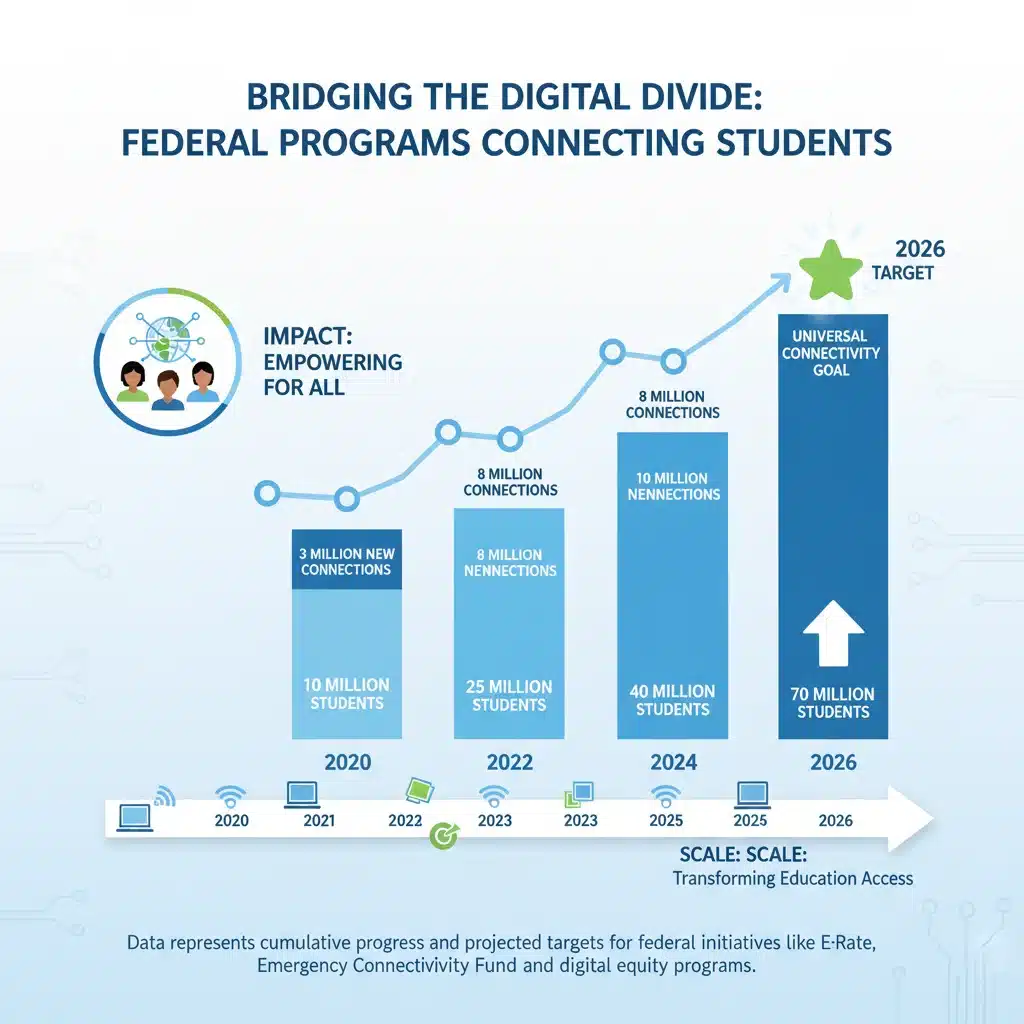
The commitment to connect 10 million students by 2026 is ambitious, and significant progress has already been made. Millions of devices have been distributed, and countless households have gained access to affordable internet thanks to these federal initiatives. However, the journey is not without its challenges.
Measuring Success and Identifying Gaps
Accurate data collection is crucial to track progress and identify remaining areas of need. The definition of "connected" must be robust, encompassing not just basic access but also sufficient speed, reliability, and appropriate devices for educational use. Continuous monitoring helps policymakers understand where the digital divide in education persists most acutely.
Sustainability Beyond Initial Funding
Many of these programs, particularly the ECF, were designed as emergency measures. A key challenge is ensuring the sustainability of connectivity and device access beyond the initial funding cycles. Schools, libraries, and families need long-term solutions to maintain digital equity.
Digital Literacy and Teacher Training
Providing devices and internet access is only half the battle. Effective integration of technology into learning requires robust digital literacy skills for students and ongoing professional development for educators. Teachers need support and training to leverage digital tools effectively to enhance instruction and engage students.
Addressing Rural and Tribal Connectivity
Rural and Tribal areas often face unique challenges, including lack of infrastructure, higher costs for deployment, and geographical barriers. Specific programs and targeted investments are necessary to ensure these communities are not left behind in the effort to bridge the digital divide in education.
State and Local Partnerships: A Collaborative Approach
While federal initiatives provide critical funding and overarching policy, the success of bridging the digital divide in education heavily relies on strong partnerships at the state and local levels. These collaborations ensure that programs are tailored to local needs and effectively implemented.
State-Level Broadband Offices
Many states have established or expanded broadband offices to coordinate efforts, identify unserved and underserved areas, and administer state-specific programs that complement federal funding. These offices play a vital role in mapping connectivity gaps and strategically deploying resources.
School Districts and Libraries as Hubs
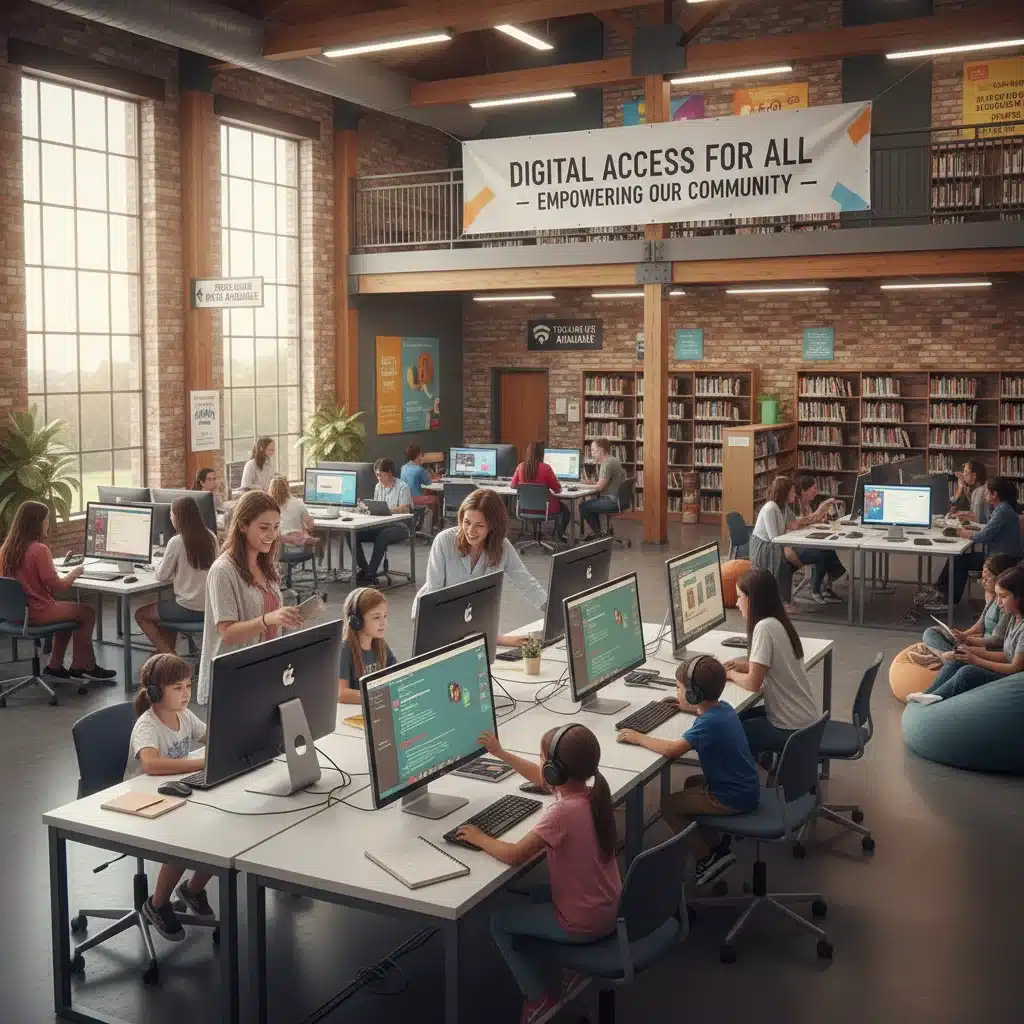
School districts and public libraries are on the front lines of addressing the digital divide. They often serve as community hubs, providing free internet access, lending devices, and offering digital literacy training. Their direct engagement with students and families makes them indispensable partners.
Community-Based Organizations and Non-Profits
Local non-profits and community organizations often have deep roots in the communities most affected by the digital divide. They can help identify families in need, assist with program applications (like ACP enrollment), and provide localized support and training. These grassroots efforts are crucial for ensuring that federal assistance reaches its intended beneficiaries.
Innovations and Best Practices in Bridging the Digital Divide
Beyond direct funding, various innovative approaches and best practices are emerging from the collective effort to close the digital divide in education. These strategies offer valuable lessons and pathways for future initiatives.
Device Lending Programs
Schools and libraries have significantly expanded device lending programs, allowing students to check out laptops or tablets for extended periods. This directly addresses the "access to devices" component of the digital divide, ensuring students have the necessary hardware for learning.
Mobile Hotspot Distribution
For areas with existing cellular coverage but lacking fixed broadband, distributing mobile Wi-Fi hotspots has proven to be an effective short-term solution. Many ECF funds have been used for this purpose, providing immediate connectivity to students in need.
Community Wi-Fi Networks
Some communities are investing in municipal or community-owned Wi-Fi networks, offering free or low-cost internet access in public spaces and even extending to homes in underserved areas. These initiatives demonstrate a long-term commitment to universal access.
Digital Navigators
The concept of "digital navigators" – individuals trained to help community members access affordable internet service, obtain devices, and learn digital skills – is gaining traction. These navigators act as essential human bridges over the digital divide, providing personalized support.
Public-Private Partnerships
Collaboration between government entities, internet service providers (ISPs), and technology companies is crucial. ISPs can offer discounted rates for low-income families, expand infrastructure, and contribute to digital literacy programs. These partnerships can accelerate progress in bridging the digital divide in education.
The Long-Term Vision: Beyond 2026
While the goal of connecting 10 million students by 2026 is a significant milestone, the work to bridge the digital divide in education will undoubtedly continue beyond this target date. The landscape of technology and education is constantly evolving, requiring ongoing vigilance and adaptation.
Universal Broadband as a Public Utility
A growing consensus suggests that broadband internet should be treated as a public utility, ensuring its availability and affordability for all, much like water or electricity. This fundamental shift in perception could drive long-term policy decisions that solidify digital equity.
Integrated Digital Learning Ecosystems
The ultimate vision is an integrated digital learning ecosystem where every student has seamless access to devices, high-speed internet, quality digital content, and skilled educators. This ecosystem would foster personalized learning, enhance collaboration, and prepare students for the demands of the future workforce.
Continuous Investment in Infrastructure and Skills
To sustain progress, there must be continuous investment in broadband infrastructure, especially in hard-to-reach areas. Equally important is ongoing investment in digital literacy programs and professional development for educators, ensuring that the technology is utilized to its fullest potential.
Conclusion: A Connected Future for All Students
The federal initiatives to connect 10 million students by 2026 represent a monumental step towards dismantling the barriers of the digital divide in education. Programs like the Emergency Connectivity Fund and the Affordable Connectivity Program, alongside the modernized E-Rate, are making tangible differences in the lives of millions of students, ensuring they have the essential tools for learning in the 21st century.
However, the journey to universal digital equity is complex and requires sustained effort, collaboration across all levels of government, and robust partnerships with communities and the private sector. By addressing device access, internet affordability, and digital literacy, we move closer to a future where every student, regardless of their zip code or socio-economic background, has the opportunity to thrive in an increasingly digital world. The commitment to bridge the digital divide in education is not just about technology; it’s about fostering equity, empowering learners, and building a more inclusive and prosperous society for all.