Optimize Your Sleep Environment: 4 Changes for Better Rest in 2026
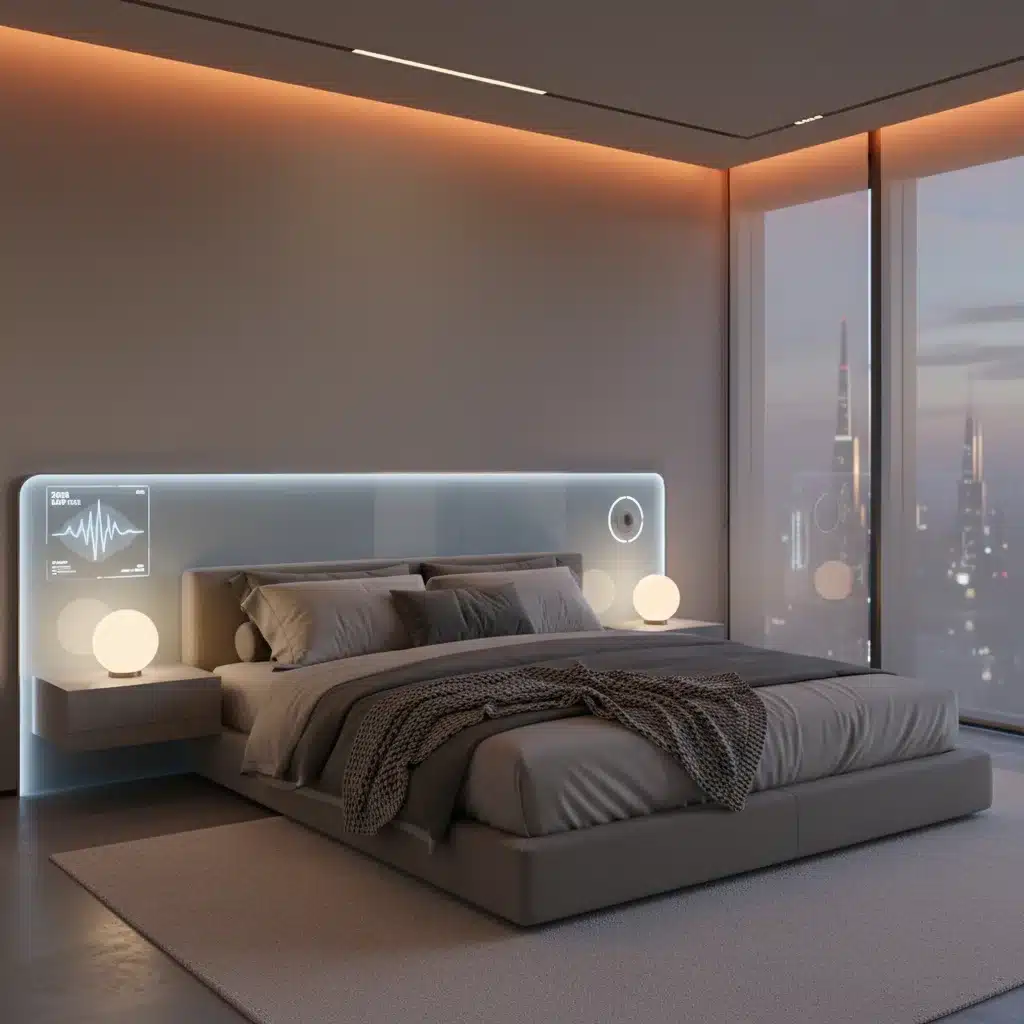
In our fast-paced modern world, the pursuit of restful, restorative sleep has become more critical than ever. As we look towards 2026, the understanding of how our surroundings impact our sleep quality continues to evolve. It’s no longer just about getting enough hours; it’s about the quality of those hours. Your bedroom, often overlooked as a mere place to crash, is in fact a powerful tool in your quest for optimal health and well-being. To truly optimize your sleep environment, you need to be intentional about every element within it. This comprehensive guide will walk you through four pivotal changes you can implement to transform your bedroom into a sanctuary of slumber, ensuring you wake up feeling refreshed, revitalized, and ready to tackle whatever 2026 throws your way.
The science of sleep has made significant strides, revealing the profound connection between our physical environment and our circadian rhythms, hormone regulation, and cognitive function. A poorly optimized sleep space can lead to fragmented sleep, difficulty falling asleep, and a host of health issues. Conversely, a thoughtfully designed bedroom can be your secret weapon against stress, fatigue, and even chronic illness. Let’s delve into the specific adjustments that will make a monumental difference in your sleep quality, starting today and carrying you through 2026 and beyond.
1. Master the Art of Darkness and Light Control
One of the most fundamental aspects of a truly optimized sleep environment is the control of light. Our bodies are naturally attuned to light and darkness, thanks to the production of melatonin, the hormone that signals to our body that it’s time to sleep. Even minimal light exposure during sleep can disrupt melatonin production, leading to restless nights and a feeling of grogginess in the morning. In 2026, with increasing screen time and urban light pollution, mastering light control is paramount to optimize your sleep environment.
Embrace Complete Darkness
The ideal sleep environment is as dark as possible. This means eliminating all sources of light, both natural and artificial. Consider investing in high-quality blackout curtains or blinds that completely block out external light. Even tiny cracks where light seeps through can be detrimental. For those who can’t achieve total darkness, a comfortable sleep mask can be an effective alternative. Remember that even the smallest LED indicator lights from electronics can be enough to disturb sensitive sleepers. Cover or remove these light sources.
Strategic Use of "Good" Light
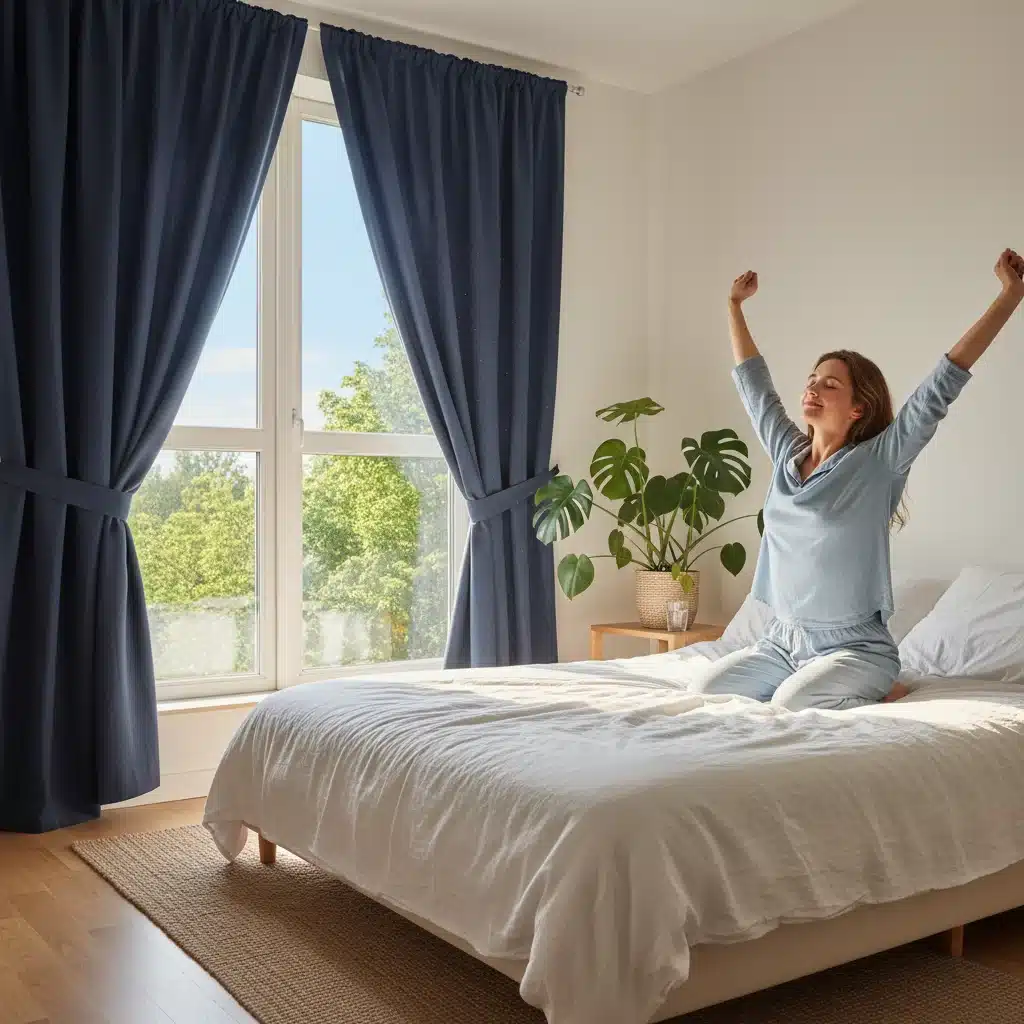
While darkness is crucial for sleep, strategic exposure to natural light during the day, especially in the morning, is equally important. Exposure to bright light early in the day helps to reset your circadian rhythm, signaling to your body that it’s daytime and promoting alertness. This, in turn, helps solidify your sleep-wake cycle, making it easier to fall asleep at night. Try to get at least 15-30 minutes of natural light exposure within the first hour of waking. This can be as simple as opening your curtains immediately, going for a short walk, or having your morning coffee by a window. In 2026, smart lighting systems that mimic natural light cycles are becoming more accessible, offering a sophisticated way to manage your light exposure throughout the day and night.
Avoid Blue Light Before Bed
Perhaps one of the most talked-about light-related sleep disruptors is blue light. Emitted by smartphones, tablets, computers, and LED screens, blue light can significantly suppress melatonin production, making it harder to fall asleep. The recommendation for 2026 remains steadfast: avoid blue light exposure for at least 1-2 hours before bedtime. If you must use screens, activate blue light filters on your devices or wear blue light blocking glasses. Better yet, engage in relaxing activities like reading a physical book, listening to calming music, or journaling before bed. This conscious effort to manage light exposure will be a game-changer as you strive to optimize your sleep environment.
2. Cultivate the Perfect Temperature and Air Quality
Beyond light, the atmospheric conditions of your bedroom play a critical role in how well you sleep. Temperature and air quality are often underestimated, yet they profoundly influence sleep onset and continuity. Your body’s core temperature naturally dips as you prepare for sleep and rises as you wake. Creating an environment that facilitates this natural thermoregulation is key to achieving deep, uninterrupted rest.
The Ideal Sleep Temperature
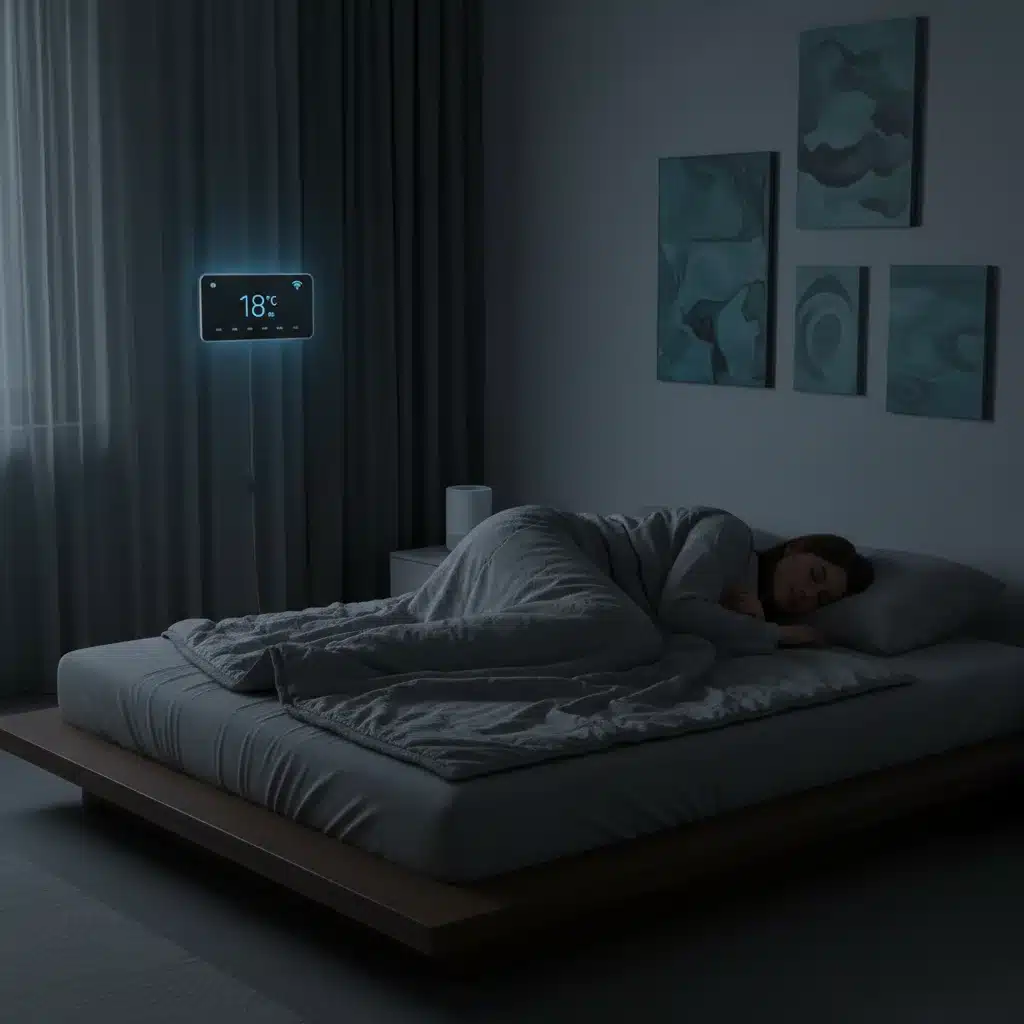
Most sleep experts agree that the ideal bedroom temperature for adults is between 60-67 degrees Fahrenheit (15-19 degrees Celsius). A room that is too hot can lead to restlessness and frequent awakenings, while a room that is too cold can make it difficult to relax. Experiment to find the sweet spot within this range that works best for you. In 2026, smart thermostats and climate control systems offer precise temperature management, allowing you to schedule temperature changes to align with your sleep cycle. Consider breathable bedding materials like cotton, linen, or bamboo, which help regulate body temperature and wick away moisture, further enhancing your comfort. Layering your bedding also provides flexibility, allowing you to adjust for slight temperature fluctuations throughout the night.
Breathe Easy: Air Quality Matters
The air you breathe while you sleep directly impacts your respiratory health and overall sleep quality. Poor air quality, characterized by allergens, dust, pollutants, and stale air, can lead to congestion, coughing, and even exacerbate conditions like asthma. To optimize your sleep environment, focus on improving air quality.
- Ventilation: Open windows for a few minutes each day to allow fresh air to circulate, especially before bedtime, if external air quality permits.
- Air Purifiers: Invest in a high-quality air purifier with a HEPA filter to remove airborne particles, allergens, and pollutants. This is particularly beneficial for those with allergies or living in urban areas.
- Humidity Control: Maintain optimal humidity levels (around 40-60%). A humidifier can be helpful in dry climates or during winter months to prevent dry nasal passages, while a dehumidifier can combat excess moisture that encourages mold and dust mites.
- Cleanliness: Regularly dust, vacuum, and wash bedding to minimize allergens. Avoid strong scents from air fresheners or cleaning products, as these can irritate respiratory passages.
3. Declutter and Design for Serenity
Your bedroom should be a haven of peace, not a storage unit or a secondary office. Visual clutter can create mental clutter, making it difficult to relax and unwind before sleep. The aesthetics and organization of your bedroom significantly contribute to its ability to foster rest. To truly optimize your sleep environment, embrace minimalism and intentional design.
The Power of Decluttering
Start by removing anything from your bedroom that doesn’t contribute to sleep, relaxation, or intimacy. This often means relocating work materials, exercise equipment, and excessive decorative items. A cluttered space can feel chaotic and overwhelming, triggering stress responses that are antithetical to sleep. Think of your bedroom as a sacred space dedicated solely to rest. Regularly clear out items that accumulate on bedside tables, chairs, and floors.
Thoughtful Design Choices
Beyond decluttering, consider the overall design and decor of your bedroom:
- Color Palette: Opt for calming, muted colors on your walls and bedding. Soft blues, greens, grays, and neutral tones are known to promote relaxation. Avoid bright, stimulating colors that can keep your mind alert.
- Furniture Arrangement: Arrange furniture in a way that creates a sense of spaciousness and ease of movement. The bed should be the focal point, inviting and comfortable.
- Minimize Electronics: Ideally, keep all electronic devices out of the bedroom. If this isn’t possible, at least keep them out of arm’s reach and turn them off or place them face down. The temptation to scroll through social media or check emails can severely delay sleep.
- Comfortable Bedding: Invest in a high-quality mattress, pillows, and bedding that support your body and comfort preferences. These are not areas to skimp on, as they directly impact your physical comfort throughout the night. Consider the firmness of your mattress, the loft of your pillows, and the breathability of your sheets.
- Sound Management: While often associated with external factors, sound management is part of creating a serene environment. If you live in a noisy area, consider soundproofing your windows, using a white noise machine, or earplugs. The goal is to create a consistent, low-level sound environment that masks sudden disturbances.
By simplifying your space and making intentional design choices, you create a visual and mental landscape that encourages tranquility, making it much easier to transition from the day’s stresses to a state of restful sleep. This holistic approach is essential to optimize your sleep environment effectively for 2026.
4. Harness the Influence of Scent and Sound
Our senses are powerful gateways to relaxation or stimulation. While we’ve discussed light and temperature, the often-overlooked senses of smell and hearing play a significant role in setting the stage for sleep. By consciously curating the auditory and olfactory landscape of your bedroom, you can further enhance its sleep-promoting qualities.
The Power of Scent
Certain aromas have scientifically proven calming effects on the nervous system, helping to reduce anxiety and promote relaxation. Incorporating these scents into your nighttime routine can signal to your body that it’s time to wind down. To optimize your sleep environment with scent:
- Essential Oils: Diffuse essential oils like lavender, chamomile, cedarwood, or bergamot in your bedroom an hour or so before bed. Lavender is particularly well-known for its anxiolytic and sedative properties. Ensure the diffuser is turned off before you fall asleep.
- Pillow Sprays: A light mist of a sleep-inducing essential oil blend on your pillow can provide a subtle, comforting aroma as you drift off.
- Herbal Sachets: Place small sachets filled with dried lavender or chamomile under your pillow or on your bedside table.
- Avoid Strong Perfumes: While pleasant during the day, strong perfumes or scented lotions just before bed can sometimes be stimulating or even irritating. Opt for unscented or lightly scented products that promote relaxation.
The key is consistency. When your brain associates a particular scent with sleep, it acts as a powerful cue, making it easier to transition into a restful state.
Crafting a Soothing Soundscape
Just as light can disrupt sleep, so can unwanted noise. However, not all sound is bad. A carefully chosen soundscape can actually facilitate sleep by masking sudden disturbances and promoting a sense of calm. Consider these options to optimize your sleep environment acoustically:
- White Noise Machines: These devices produce a consistent, ambient sound that can effectively mask jarring noises like traffic, barking dogs, or noisy neighbors. The steady hum helps create a predictable auditory environment.
- Nature Sounds: Many people find the sounds of rain, ocean waves, or gentle forest sounds incredibly relaxing. These can be played through a dedicated sound machine or a smartphone app.
- Calming Music or Binaural Beats: Specifically designed sleep music or binaural beats can help slow brainwave activity, guiding your mind into a more relaxed state. Ensure the volume is low and the music is designed for sleep, not stimulation.
- Earplugs: For those in particularly noisy environments or sensitive to any sound, soft earplugs can be a simple yet highly effective solution.
Avoid using your phone for sound if possible, as the temptation to check notifications can be too strong. Dedicated sound machines or smart home devices that integrate with sleep routines are often better choices for 2026.
The Holistic Approach to Sleep Optimization in 2026
While we’ve broken down these changes into four distinct categories, the true power of optimizing your sleep environment lies in their synergistic application. Each element—light, temperature, air quality, visual serenity, scent, and sound—contributes to a holistic sleep experience. By addressing all these aspects, you create a powerful cumulative effect that significantly enhances your ability to fall asleep faster, stay asleep longer, and experience deeper, more restorative cycles of sleep.
Beyond the Bedroom: Lifestyle Factors
It’s important to remember that even the most perfectly optimized sleep environment can only do so much if your lifestyle choices are working against you. Consider these complementary habits for 2026:
- Consistent Sleep Schedule: Go to bed and wake up at the same time every day, even on weekends. This reinforces your body’s natural circadian rhythm.
- Mindful Eating and Drinking: Avoid heavy meals, caffeine, and alcohol close to bedtime. Caffeine can stay in your system for hours, and alcohol, while initially sedating, can lead to fragmented sleep later in the night.
- Regular Exercise: Physical activity during the day can significantly improve sleep quality. However, avoid intense workouts too close to bedtime, as they can be stimulating.
- Stress Management: Incorporate stress-reducing activities into your daily routine, such as meditation, yoga, deep breathing exercises, or journaling. A calm mind is a prerequisite for restful sleep.
- Digital Detox: Implement a "digital curfew" an hour or two before bed, stepping away from all screens to allow your mind to unwind naturally.
Think of your bedroom as a critical component of your overall sleep hygiene strategy. Just as you wouldn’t expect a car to run perfectly without proper fuel and maintenance, you can’t expect optimal sleep without nurturing both your environment and your habits.
Embracing the Future of Sleep in 2026
As technology continues to advance, so too do the tools available to help us sleep better. Smart beds that adjust firmness, lighting systems that adapt to your sleep cycles, and advanced air purification systems are becoming more sophisticated and integrated into our homes. While these innovations can certainly help optimize your sleep environment, the core principles remain timeless. The most effective changes are often the simplest and most accessible: control light, manage temperature, improve air quality, declutter, and engage your senses thoughtfully.
Making these four changes is not just about improving your sleep; it’s about investing in your overall health, productivity, and quality of life. Better sleep leads to better mood, enhanced cognitive function, stronger immunity, and greater resilience to stress. As you embark on your journey to optimize your sleep environment in 2026, remember that consistency and patience are key. Implement one change at a time, observe its impact, and gradually build a sleep sanctuary that serves your unique needs. The reward will be a profound improvement in how you feel, function, and engage with the world every single day.
Don’t underestimate the transformative power of a well-designed sleep space. Your bedroom is more than just a room; it’s a critical component of your health infrastructure. By taking proactive steps to master light, temperature, air quality, visual serenity, scent, and sound, you are not just preparing for a good night’s rest; you are laying the foundation for a healthier, happier, and more vibrant you in 2026 and for years to come. Start today, and experience the profound benefits of truly optimized sleep.