New SNAP Benefit Adjustments 2026: Eligibility & Increased Food Assistance

The Supplemental Nutrition Assistance Program (SNAP), formerly known as food stamps, is a cornerstone of food security for millions of Americans. As we look ahead to 2026, significant SNAP Benefit Adjustments 2026 are on the horizon, promising both challenges and opportunities for eligible households. These adjustments are not just minor tweaks; they represent a comprehensive effort to adapt to changing economic landscapes, inflation, and evolving societal needs. Understanding these changes is crucial for current recipients and those who may become eligible, as they directly impact access to vital food assistance.
The federal government, through the U.S. Department of Agriculture (USDA), regularly reviews and revises SNAP policies to ensure the program remains effective and responsive. The 2026 adjustments are expected to bring about revisions in income thresholds, deduction allowances, and the overall benefit calculation methodology. For many families struggling with rising food costs and economic uncertainties, these SNAP Benefit Adjustments 2026 could mean the difference between food insecurity and having enough nutritious meals on the table. This comprehensive guide will delve into what these changes entail, who will be affected, and how you can prepare to navigate the new landscape of food assistance.
We will explore the underlying reasons for these adjustments, examining factors such as the Consumer Price Index (CPI), national poverty levels, and legislative mandates. Furthermore, we’ll provide a detailed breakdown of the anticipated eligibility criteria, helping you determine if your household qualifies for increased support. Our goal is to equip you with all the necessary information to understand the SNAP Benefit Adjustments 2026 and ensure you can access the maximum benefits available to you. Stay informed, stay prepared, and let us guide you through these important updates.
Understanding the Rationale Behind SNAP Benefit Adjustments 2026
The periodic adjustments to SNAP benefits are not arbitrary; they are the result of complex calculations and policy considerations designed to maintain the program’s relevance and effectiveness. The SNAP Benefit Adjustments 2026 are primarily driven by several key factors, each playing a crucial role in shaping the program’s future. One of the most significant factors is inflation. The cost of food, like other consumer goods, is constantly changing. The USDA must regularly update benefit levels to ensure that the purchasing power of SNAP benefits keeps pace with the rising cost of groceries. This is often tied to the Thrifty Food Plan (TFP), a model used by the USDA to estimate the cost of a nutritious diet for a family of four. Changes to the TFP directly influence the maximum SNAP allotments.
Another critical driver is the economic climate. Periods of high unemployment or economic recession often necessitate increased support for vulnerable populations. Conversely, periods of economic growth might lead to adjustments that reflect a stronger job market and potentially fewer individuals requiring assistance. However, the program is designed to be counter-cyclical, meaning it expands during downturns and contracts during upturns, ensuring a safety net is always available. The SNAP Benefit Adjustments 2026 will likely take into account the projected economic forecasts for the coming years, aiming to strike a balance between providing adequate support and fiscal responsibility.
Legislative mandates and policy reviews also play a significant role. Congress periodically passes farm bills and other legislation that can introduce new provisions, modify existing rules, or direct the USDA to conduct comprehensive reviews of the SNAP program. These legislative actions can lead to fundamental shifts in how benefits are calculated, who is eligible, and what types of food can be purchased. Advocacy groups and public feedback also contribute to these reviews, highlighting areas where the program could be improved or made more equitable. Therefore, the SNAP Benefit Adjustments 2026 are a reflection of a dynamic process that integrates economic data, policy goals, and societal needs to ensure the program effectively serves its mission.
Key Changes in Eligibility Criteria for SNAP 2026
One of the most anticipated aspects of the SNAP Benefit Adjustments 2026 concerns the eligibility criteria. While the core principles of SNAP eligibility are likely to remain, specific thresholds and definitions may see revisions. Generally, eligibility for SNAP is determined by a household’s income and assets, as well as certain demographic factors such as age, disability status, and work requirements. The primary income test is typically set at 130% of the federal poverty level (FPL) for most households, with some exceptions for elderly or disabled individuals. The 2026 adjustments might see a recalibration of these FPL percentages to better reflect current economic realities and regional cost-of-living differences.
Asset limits are another area that could experience modifications. Currently, most households must have less than $2,750 in countable resources (like bank accounts), while households with an elderly or disabled member have a higher limit of $4,250. These limits have remained relatively stagnant for some time, and the SNAP Benefit Adjustments 2026 might include an increase to these thresholds to account for inflation and allow low-income families to retain a modest emergency fund without jeopardizing their benefits. Such a change would be a significant relief for many, providing a greater sense of financial stability.
Furthermore, work requirements and exemptions could be subject to review. While most able-bodied adults without dependents (ABAWDs) are subject to work requirements, there are often state-specific waivers and exemptions. The 2026 adjustments might clarify or modify these requirements, potentially expanding exemptions or introducing new pathways to fulfill them. It’s also possible that the definitions of what constitutes countable income or allowable deductions could be refined. For example, changes to the medical expense deduction for elderly or disabled individuals, or the standard utility allowance, could significantly impact a household’s net income, thereby affecting their eligibility and benefit amount. Staying updated on these nuanced changes will be vital for anyone seeking to qualify for SNAP Benefit Adjustments 2026.
How Increased Food Assistance Will Impact Households
The ultimate goal of any SNAP Benefit Adjustments 2026 is to provide more effective and equitable food assistance to those who need it most. For eligible households, increased benefits can have a profound impact on their daily lives and overall well-being. The most direct impact is, of course, improved access to nutritious food. When benefit amounts are increased, families can afford a wider variety of healthy foods, including fresh fruits, vegetables, and lean proteins, which are essential for physical and cognitive development, especially in children. This can lead to better health outcomes, reduced instances of diet-related illnesses, and enhanced academic performance for students.
Beyond the immediate benefit of food, increased assistance can alleviate financial stress. For low-income households, every dollar saved on groceries can be reallocated to other essential needs, such as housing, utilities, transportation, or medical expenses. This breathing room can prevent evictions, utility cut-offs, and other crises that often destabilize vulnerable families. The SNAP Benefit Adjustments 2026 could therefore contribute to greater household stability and reduce the overall burden of poverty. It’s not just about feeding people; it’s about empowering them to address other critical needs.
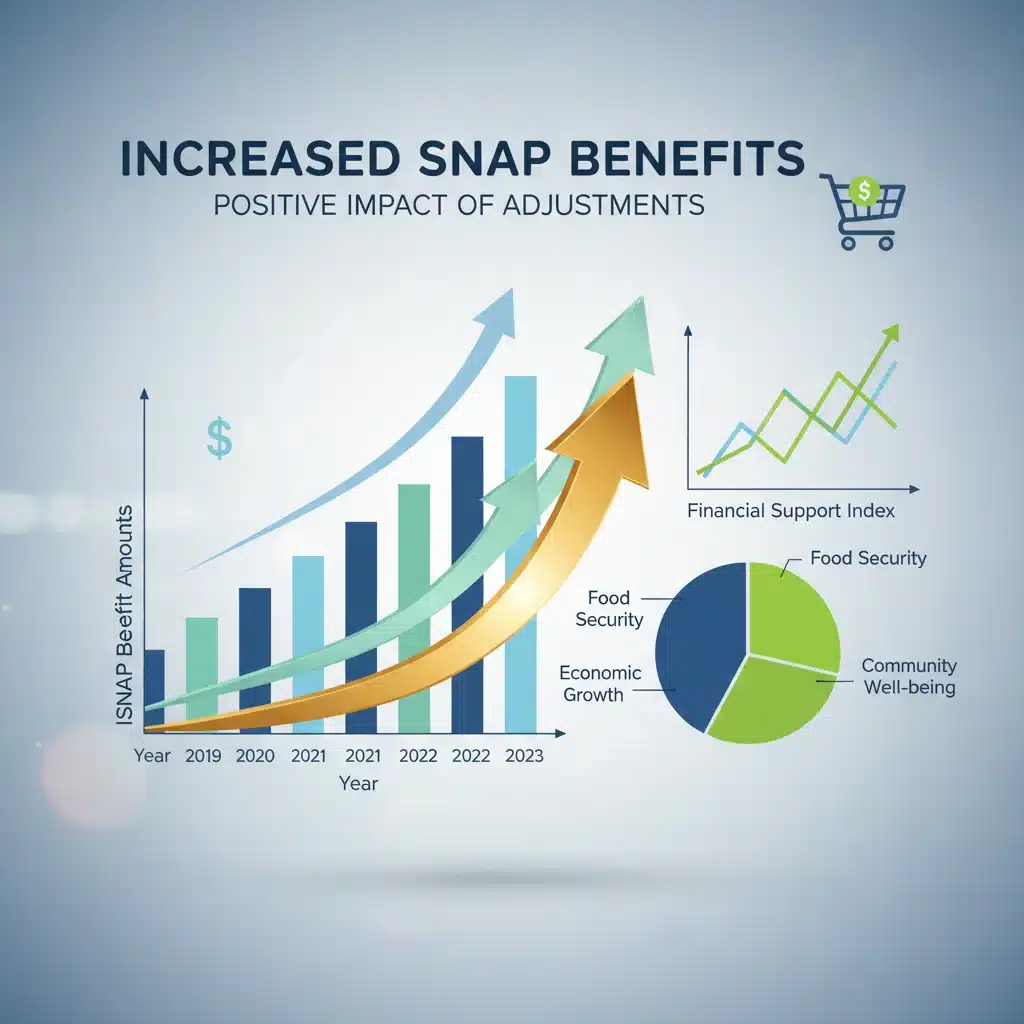
Moreover, increased SNAP benefits have a ripple effect on local economies. When beneficiaries spend their EBT dollars at grocery stores and farmers’ markets, it stimulates local businesses, supports jobs, and keeps money circulating within communities. This economic injection can be particularly beneficial in rural and underserved areas. The SNAP Benefit Adjustments 2026 are designed to strengthen this virtuous cycle, ensuring that federal assistance not only helps individuals but also contributes to broader economic resilience. Understanding these multifaceted impacts highlights the importance of staying informed about these crucial program updates.
Navigating the Application Process with New 2026 Regulations
The application process for SNAP benefits, while generally standardized, can undergo specific procedural changes with the SNAP Benefit Adjustments 2026. It’s essential for both new applicants and those undergoing recertification to be aware of any updated documentation requirements or application procedures. Typically, applicants need to provide proof of identity, residency, income, assets, and household composition. This often includes pay stubs, bank statements, utility bills, and identification documents. The 2026 regulations might introduce new forms, require additional verification steps for certain deductions, or streamline existing processes to improve efficiency.
Online application portals, which have become increasingly prevalent, may also see enhancements or modifications. Many states offer online applications, making it easier for individuals to apply from home. The SNAP Benefit Adjustments 2026 could include improvements to these digital platforms, such as clearer instructions, better accessibility features, or integrated document upload capabilities. However, it’s crucial to remember that even with online applications, an interview (either in person or over the phone) is usually required to finalize the process. Preparing for this interview by having all necessary documents organized can significantly expedite approval.
For current beneficiaries, the recertification process is equally important. SNAP benefits are not permanent; recipients must periodically reapply to confirm their continued eligibility. The SNAP Benefit Adjustments 2026 might alter the frequency of recertification or change the information required during this process. It’s vital to respond promptly to any notices from your state SNAP agency regarding recertification to avoid an interruption in benefits. If you anticipate changes in your household’s income or circumstances, it’s always advisable to report them proactively to ensure your benefit amount is accurately calculated. Assistance from local SNAP offices or community organizations can be invaluable in navigating these processes, especially when new regulations come into effect.
State-Specific Variations and SNAP Benefit Adjustments 2026
While SNAP is a federal program, its implementation includes significant state-specific variations. Each state has the flexibility to administer the program within federal guidelines, leading to differences in application procedures, outreach efforts, and even some eligibility criteria (within federal limits). The SNAP Benefit Adjustments 2026 will likely interact with these state-level policies, potentially leading to varied impacts across the country. For instance, states have discretion over certain deductions, such as the standard utility allowance, which can influence a household’s net income and thus their benefit amount.
Some states also have broader categorical eligibility rules, meaning if a household receives other forms of public assistance (like Temporary Assistance for Needy Families or TANF), they are automatically considered eligible for SNAP. The 2026 adjustments could influence how these categorical eligibility rules are applied or interpreted. Furthermore, states have the option to implement specific programs or waivers that address unique local needs, such as disaster SNAP (D-SNAP) during emergencies or initiatives to connect beneficiaries with local farmers’ markets. These state-level innovations will continue to evolve alongside the federal SNAP Benefit Adjustments 2026.
Therefore, it is crucial for residents to consult their specific state’s SNAP agency for the most accurate and up-to-date information regarding the 2026 changes. State websites often provide detailed guides, FAQs, and contact information for local offices. Community organizations, food banks, and legal aid services also often have staff knowledgeable about state-specific SNAP policies and can offer personalized assistance. While this article provides a general overview, understanding your state’s unique approach to the SNAP Benefit Adjustments 2026 is paramount to ensuring you receive all the benefits you are entitled to.
Maximizing Your SNAP Benefits Under New Rules
With the forthcoming SNAP Benefit Adjustments 2026, it becomes even more important for eligible households to understand how to maximize their benefits. This involves not only ensuring accurate reporting of income and expenses but also being aware of all available deductions. Deductions can significantly lower your countable net income, which in turn can increase your SNAP allotment. Common deductions include a standard deduction for all households, a 20% earned income deduction, and deductions for dependent care costs, child support payments, and medical expenses (for elderly or disabled members).
One of the most impactful deductions is for housing costs. If your housing costs (rent/mortgage, taxes, insurance, utilities) exceed a certain percentage of your income after other deductions, you may qualify for a shelter deduction. This deduction is capped for most households but is uncapped for households with an elderly or disabled member. It’s crucial to accurately report all these expenses during your application or recertification. The SNAP Benefit Adjustments 2026 might refine how these deductions are calculated or introduce new ones, so staying informed about specific changes is key.
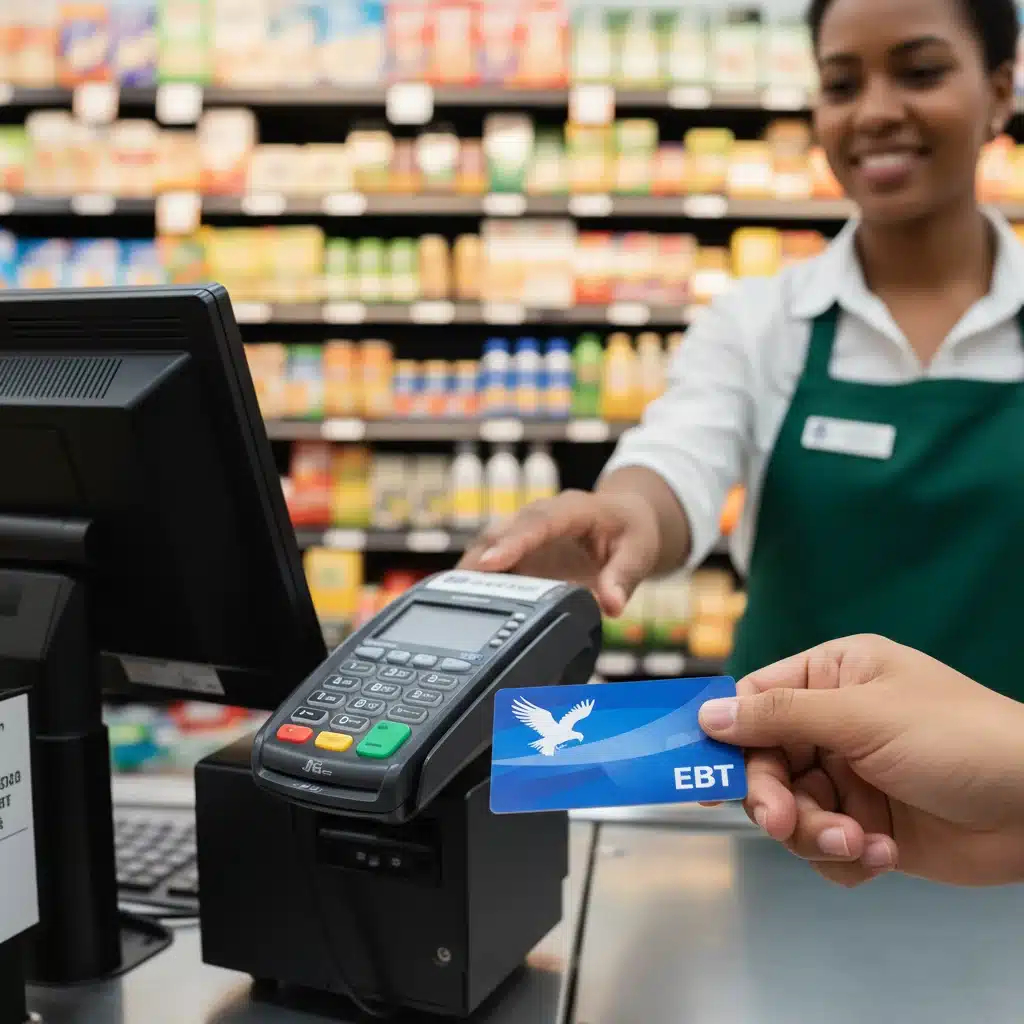
Beyond deductions, understanding how to use your EBT card effectively can also maximize the value of your benefits. Many farmers’ markets and some grocery stores offer programs that match SNAP dollars, effectively doubling your purchasing power for fresh produce. These programs, often called ‘Double Up Food Bucks’ or similar, are excellent ways to get more nutritious food for your family. Furthermore, planning your meals, making shopping lists, and taking advantage of sales can stretch your SNAP benefits further. As the SNAP Benefit Adjustments 2026 come into effect, combining accurate reporting with smart shopping strategies will be essential for making the most of your food assistance.
The Long-Term Outlook for SNAP and Food Security
The SNAP Benefit Adjustments 2026 are part of a continuous effort to ensure that the program remains a robust and responsive safety net for food security in the United States. Looking beyond 2026, the future of SNAP will likely involve ongoing adaptations to economic shifts, technological advancements, and evolving public health needs. There’s a growing recognition of the link between food insecurity and public health, which could lead to further integration of SNAP with healthcare initiatives, such as ‘food as medicine’ programs or partnerships with healthcare providers to screen for and address food needs.
Technological innovation is also expected to play a larger role. Imagine more seamless digital application processes, enhanced online resources for beneficiaries, and even broader acceptance of EBT at various types of food retailers. The goal is to make the program as accessible and user-friendly as possible while maintaining integrity and preventing fraud. The SNAP Benefit Adjustments 2026 might lay some groundwork for these future innovations, piloting new approaches or gathering data to inform long-term strategies.
Furthermore, discussions around poverty reduction and economic mobility will continue to influence SNAP policy. The program is not just about providing temporary relief; it’s also about supporting individuals and families on their path to self-sufficiency. Future adjustments might focus more on integrating SNAP with employment and training programs, offering incentives for healthy eating, or addressing systemic barriers to food access. While the specifics of these long-term changes are still unfolding, the SNAP Benefit Adjustments 2026 serve as an important milestone in the ongoing evolution of America’s most critical anti-hunger program, reinforcing its role in building a more food-secure nation for all.
How to Stay Informed About SNAP Updates
Staying informed about the SNAP Benefit Adjustments 2026 and subsequent changes is paramount for ensuring you and your family receive the assistance you deserve. The most reliable source of information is your state’s official SNAP agency website. These sites are regularly updated with the latest regulations, application forms, and contact information for local offices. You can usually find a direct link by searching for ‘[Your State Name] SNAP Program’ or ‘[Your State Name] Food Assistance’. Many states also offer email newsletters or alert systems that notify subscribers of important program changes.
The USDA Food and Nutrition Service (FNS) website (www.fns.usda.gov/snap) is another invaluable federal resource. It provides comprehensive information on national SNAP policies, program statistics, and links to state agencies. While it may not delve into every state-specific detail, it offers a broad overview of the program’s direction and any major federal mandates that drive the SNAP Benefit Adjustments 2026.
Community organizations, food banks, and non-profit advocacy groups often play a critical role in disseminating information and providing direct assistance. Organizations like Feeding America, local food pantries, and social service agencies frequently host workshops, distribute informational materials, and have staff who can help explain complex regulations. They can also assist with the application or recertification process, ensuring you meet all requirements for the SNAP Benefit Adjustments 2026. Don’t hesitate to reach out to these resources if you have questions or need personalized guidance. Staying proactive and connected to these information channels will empower you to navigate the changes effectively and maintain your access to essential food assistance.
Conclusion: Preparing for the SNAP Benefit Adjustments 2026
The SNAP Benefit Adjustments 2026 represent a crucial juncture for the Supplemental Nutrition Assistance Program, reflecting ongoing efforts to align food assistance with the realities of modern economic life. From revised eligibility thresholds and asset limits to potential updates in deduction calculations, these changes are designed to ensure the program remains a vital lifeline for millions of low-income Americans. The overarching goal is to enhance food security, alleviate financial strain, and contribute to the overall well-being of vulnerable households across the nation. Understanding these adjustments is not just about compliance; it’s about empowerment and ensuring that you and your family can access the full spectrum of benefits available.
As we’ve explored, the rationale behind these adjustments is multifaceted, driven by factors such as inflation, economic conditions, and legislative directives. The impact of increased food assistance extends far beyond the grocery aisle, fostering improved health outcomes, reducing household stress, and stimulating local economies. Navigating the application and recertification processes under the new regulations will require attention to detail and proactive engagement with official sources. Remember that state-specific variations will play a significant role, making it essential to consult your local SNAP agency for the most precise information tailored to your circumstances.
By staying informed through official state and federal channels, and by leveraging the support of community organizations, you can effectively prepare for and adapt to the SNAP Benefit Adjustments 2026. Maximizing your benefits means understanding all eligible deductions and utilizing smart shopping strategies. Ultimately, these adjustments underscore the enduring importance of SNAP as a fundamental component of the social safety net, continuously evolving to meet the nutritional needs of the most vulnerable among us. Your proactive engagement will ensure that these vital changes translate into tangible support for your household’s food security.