Special Education Services 2026: Updates & Parental Rights in the US
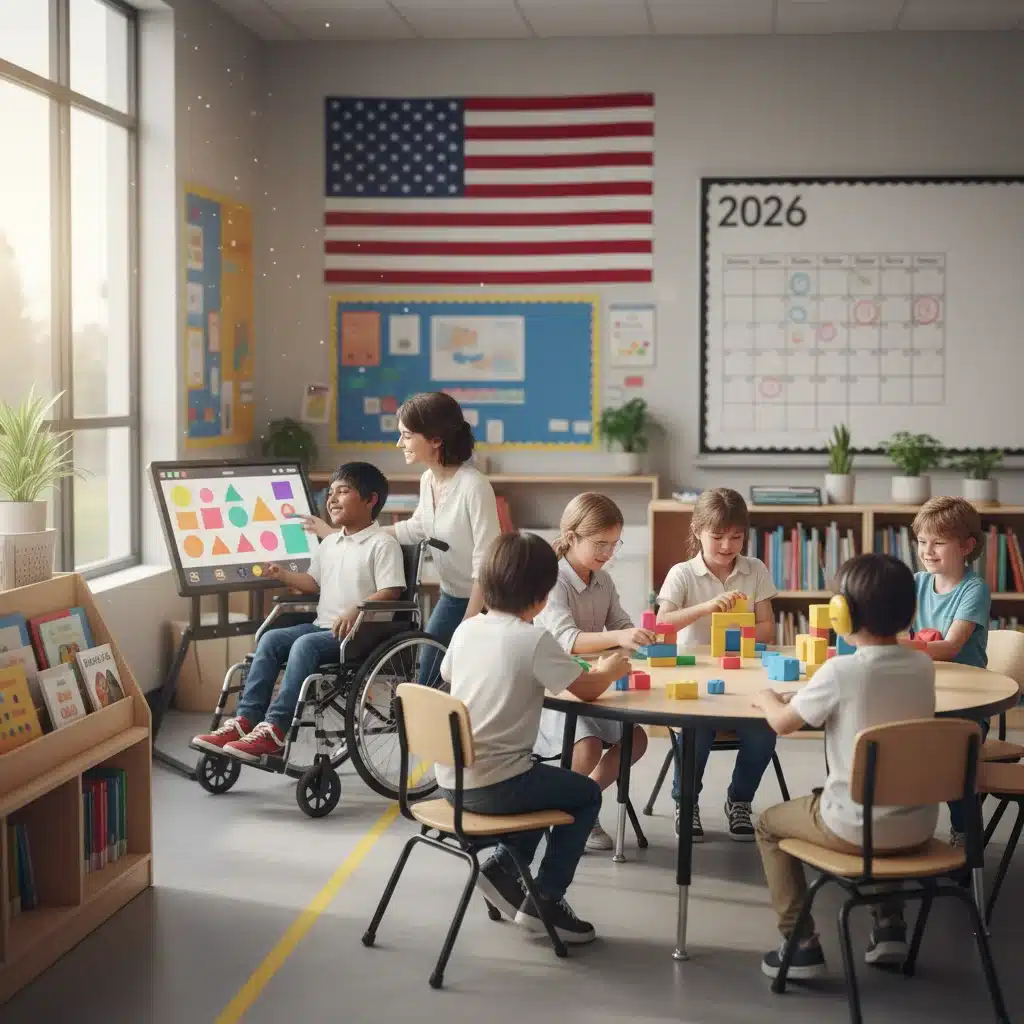
The landscape of special education is ever-evolving, driven by legislative changes, technological advancements, and a deeper understanding of diverse learning needs. As we approach 2026, families of students with disabilities in the United States are looking for clarity on what these changes mean for them and their children. This comprehensive guide aims to shed light on the recent updates to Special Education Services 2026, emphasizing the crucial role of parental rights and how to effectively navigate the system to ensure every child receives the Free Appropriate Public Education (FAPE) they deserve.
Navigating Special Education Services 2026: A Parent’s Guide to Updates and Rights
For parents of children with special needs, understanding the intricacies of the education system is not just beneficial; it’s essential. The Individuals with Disabilities Education Act (IDEA) forms the bedrock of special education law in the US, ensuring that children with disabilities have access to the same educational opportunities as their non-disabled peers. However, IDEA is not static. It undergoes regular interpretations, amendments, and practical implementations that can significantly impact how Special Education Services 2026 are delivered.
This article will delve into anticipated changes and reinforced aspects of special education for 2026, focusing on key areas such as early intervention, individualized education programs (IEPs), dispute resolution, and the increasing emphasis on inclusive practices and mental health support. More importantly, we will empower parents by detailing their fundamental rights and offering practical strategies for advocacy.
Understanding the Foundation: IDEA and Its Core Principles
Before diving into the specifics of Special Education Services 2026, it’s vital to grasp the core principles of IDEA. These principles are the guiding light for all special education practices and parental rights:
- Free Appropriate Public Education (FAPE): Every child with a disability is entitled to a public education at no cost to their parents, tailored to their unique needs.
- Least Restrictive Environment (LRE): Children with disabilities should be educated with non-disabled children to the maximum extent appropriate. Separation should only occur when the nature or severity of the disability is such that education in regular classes with supplementary aids and services cannot be achieved satisfactorily.
- Individualized Education Program (IEP): A written document developed for each public school child with a disability. The IEP is a cornerstone of Special Education Services 2026, outlining the child’s educational goals, services, and accommodations.
- Appropriate Evaluation: Children suspected of having a disability must be evaluated comprehensively by a multidisciplinary team to determine eligibility for special education services.
- Parent and Student Participation in Decision-Making: Parents have a significant role in the educational decisions regarding their child. Students, when appropriate, should also be involved.
- Procedural Safeguards: A set of legal rights and protections afforded to parents and students to ensure fairness and transparency in the special education process.
These principles remain foundational, and any updates to Special Education Services 2026 will build upon them, rather than diminish them.
Key Updates and Trends in Special Education Services 2026
While specific legislative changes can emerge rapidly, several trends and areas of focus are likely to shape Special Education Services 2026. Staying informed about these trends can help parents anticipate potential shifts and advocate proactively.
Increased Emphasis on Early Intervention and Identification
There’s a growing national recognition of the critical importance of early identification and intervention for children with developmental delays or disabilities. Expect to see continued efforts to:
- Expand screening programs: Schools and healthcare providers are likely to collaborate more closely to identify potential developmental concerns earlier, even before children enter formal schooling.
- Strengthen Part C of IDEA: This section focuses on services for infants and toddlers (birth to age 3). Enhanced funding and resources may be directed towards these programs, recognizing that early support can significantly impact long-term outcomes.
- Professional Development: Increased training for early childhood educators and pediatricians on recognizing early signs of disabilities and making appropriate referrals.
Personalized Learning and Technology Integration
The acceleration of personalized learning approaches, often facilitated by educational technology, is a major trend. For Special Education Services 2026, this means:
- Adaptive Learning Platforms: Greater use of software and applications that adjust to a student’s individual pace and learning style, providing tailored instruction and immediate feedback.
- Assistive Technology (AT) Advancements: Continued innovation in AT, from communication devices to specialized software, will offer more sophisticated tools to support students with diverse needs. IEP teams will need to regularly assess and incorporate these new technologies.
- Data-Driven Instruction: Leveraging data analytics to track student progress more effectively and adjust interventions in real-time, ensuring that services are truly individualized and effective.
Mental Health and Social-Emotional Learning (SEL) Support
The mental health crisis among youth has brought SEL and mental health support to the forefront of educational discussions. For Special Education Services 2026, expect:
- Integrated Mental Health Services: Schools are likely to enhance their capacity to provide on-site mental health services, including counseling, therapy, and crisis intervention, as part of a student’s IEP when appropriate.
- Trauma-Informed Practices: A greater understanding and implementation of trauma-informed approaches across school environments, recognizing how adverse experiences can impact learning and behavior.
- Social-Emotional Skill Development: Increased focus on teaching social-emotional skills explicitly to all students, with specialized interventions for students with disabilities who may struggle in these areas.
Inclusive Practices and Universal Design for Learning (UDL)
The push for more inclusive educational environments continues. Special Education Services 2026 will likely see:
- Mainstreaming Reinforcement: A renewed commitment to placing students with disabilities in general education classrooms with appropriate supports, moving away from segregated settings where possible.
- UDL Implementation: Broader adoption of Universal Design for Learning principles, which involve designing curriculum and instruction to be accessible to all learners from the outset, reducing the need for extensive retrofitting.
- Co-Teaching Models: More prevalent use of co-teaching models where general and special education teachers collaborate in the same classroom to meet the diverse needs of all students.

Parental Rights in Special Education Services 2026: Your Power to Advocate
Understanding your rights as a parent is paramount to ensuring your child receives appropriate Special Education Services 2026. These rights are enshrined in IDEA and are non-negotiable. Here’s a detailed look at the most critical parental rights:
1. The Right to Participate in All Meetings
You have the right to be present and participate in all meetings concerning the identification, evaluation, educational placement, and provision of FAPE to your child. This includes IEP meetings, eligibility meetings, and manifestation determination reviews. Schools must notify you of these meetings in advance and at a mutually agreed-upon time and place.
2. The Right to Informed Consent
Before the school can evaluate your child, provide special education services for the first time, or change your child’s placement, they must obtain your informed written consent. This means you understand what the school is proposing, and you agree to it voluntarily. You also have the right to revoke consent at any time, although this may have significant implications for your child’s services.
3. The Right to Independent Educational Evaluation (IEE)
If you disagree with the school’s evaluation of your child, you have the right to obtain an Independent Educational Evaluation (IEE) at public expense. The school must either pay for the IEE or initiate a due process hearing to show that its evaluation is appropriate. If the school prevails, you still have the right to an IEE, but at your own expense.
4. The Right to Access Educational Records
You have the right to inspect and review all educational records related to your child without unnecessary delay and before any meeting regarding an IEP or any due process hearing. Schools must comply with your request within 45 days. You can also request copies of these records.
5. The Right to Prior Written Notice
The school must provide you with prior written notice whenever it proposes to initiate or change, or refuses to initiate or change, the identification, evaluation, or educational placement of your child, or the provision of FAPE to your child. This notice must explain the school’s actions, the reasons for them, and your procedural safeguards.
6. The Right to Procedural Safeguards Notice
At least once a year, and upon initial referral or parental request for evaluation, upon the first occurrence of a due process complaint in a school year, and upon a disciplinary change of placement, the school must provide you with a written explanation of your procedural safeguards. This document outlines all your rights under IDEA.
7. The Right to Dispute Resolution
If you disagree with the school’s decisions regarding your child’s Special Education Services 2026, you have several avenues for dispute resolution:
- Mediation: A voluntary process where a neutral third party helps parents and the school reach a mutually agreeable solution.
- Due Process Hearing: A formal legal proceeding where an impartial hearing officer hears evidence from both sides and makes a decision.
- State Complaint: You can file a written complaint with your state’s department of education if you believe the school has violated IDEA.
These rights are your shield and sword in advocating for your child. Familiarize yourself with them and do not hesitate to use them.
Crafting an Effective IEP for Special Education Services 2026
The IEP is the cornerstone of Special Education Services 2026. A well-crafted IEP ensures your child receives the specific support they need. Here’s how to ensure your child’s IEP is effective:
Preparation is Key
- Review all documentation: Before any IEP meeting, thoroughly review evaluations, progress reports, and the current IEP.
- Document your concerns: Keep a detailed log of your child’s progress, challenges, and any communication with the school.
- List your priorities: Identify your top goals and concerns for your child’s education and services.
- Bring support: Consider bringing a trusted friend, family member, or an advocate to the meeting for support and to take notes.
During the IEP Meeting
- Ask questions: Don’t be afraid to ask for clarification on anything you don’t understand.
- Be specific about goals: Ensure IEP goals are SMART (Specific, Measurable, Achievable, Relevant, Time-bound).
- Discuss services and accommodations: Ensure all necessary services (e.g., speech therapy, occupational therapy, counseling) and accommodations (e.g., extended time, preferential seating) are explicitly listed.
- Consider the Least Restrictive Environment (LRE): Advocate for your child to be educated with non-disabled peers as much as appropriate, with necessary supports.
- Address transition planning: For older students, ensure the IEP includes robust transition planning for post-secondary education, employment, and independent living.
After the IEP Meeting
- Review the final document: Read the IEP carefully to ensure it accurately reflects what was discussed and agreed upon.
- Monitor progress: Regularly check your child’s progress towards their IEP goals and communicate with teachers.
- Request amendments: If your child’s needs change or the IEP isn’t working, you can request an IEP meeting to amend the plan.
Addressing Challenges in Special Education Services 2026
Despite the legal frameworks and ongoing improvements, challenges in Special Education Services 2026 can still arise. Common issues include:
- Resource limitations: Schools may face budget constraints or a shortage of qualified special education staff.
- Communication breakdowns: Misunderstandings or lack of effective communication between parents and school staff can hinder progress.
- Disagreements over services: Parents and schools may have differing opinions on the type or intensity of services a child needs.
- Implementation fidelity: Even with a well-written IEP, ensuring consistent and correct implementation of services can be a hurdle.
When these challenges emerge, a proactive and informed approach is essential. Start by attempting to resolve issues informally through open communication with teachers and administrators. If that fails, utilize the formal dispute resolution mechanisms outlined in your parental rights. Consider seeking support from parent advocacy groups or educational attorneys if complexities escalate.
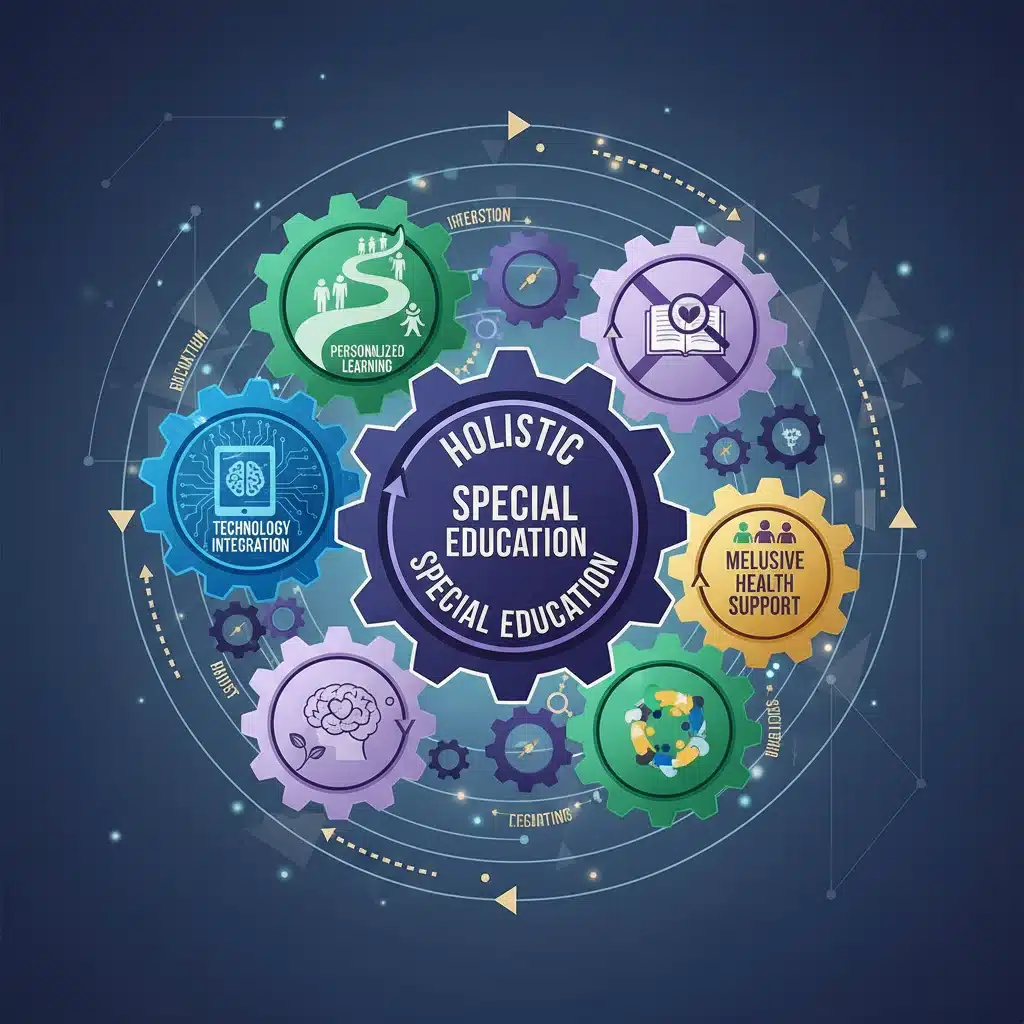
The Role of Advocacy in Special Education Services 2026
Effective advocacy is a continuous process. As a parent, you are your child’s primary advocate. Here are some strategies for strong advocacy within Special Education Services 2026:
- Educate Yourself: Stay informed about IDEA, state special education laws, and current best practices. Attend workshops, read reputable resources, and connect with other parents.
- Maintain Meticulous Records: Keep a well-organized binder or digital folder of all evaluations, IEPs, progress reports, correspondence (emails, letters), and notes from meetings. This documentation is invaluable if disputes arise.
- Build Relationships: Foster positive and respectful relationships with your child’s teachers, therapists, and school administrators. Collaborative relationships often lead to better outcomes.
- Communicate Clearly and Respectfully: Express your concerns and requests in a clear, concise, and professional manner, both verbally and in writing.
- Know When to Seek Outside Help: If you feel overwhelmed or that your concerns are not being adequately addressed, don’t hesitate to seek assistance from a special education advocate, attorney, or a parent training and information center (PTIC).
- Empower Your Child: As your child grows, involve them in the IEP process and teach them to advocate for their own needs, commensurate with their abilities. This fosters self-determination and self-advocacy skills.
Looking Ahead: The Future of Special Education Services 2026 and Beyond
The trajectory of special education points towards even greater personalization, inclusion, and support for the whole child. Special Education Services 2026 will likely be characterized by:
- Increased Focus on Transition Services: Enhanced and earlier planning for students transitioning from high school to adult life, including vocational training, higher education, and independent living skills.
- Equity and Access: Continued efforts to address disparities in special education identification and services based on race, ethnicity, and socioeconomic status.
- Teacher Training and Retention: A critical need for highly qualified special education teachers and ongoing professional development to keep pace with evolving research and best practices.
- Family Engagement: Strengthening partnerships between schools and families, recognizing that parental involvement is a key predictor of student success.
Parents are not just recipients of services; they are active partners in their child’s educational journey. By understanding the foundational principles of IDEA, staying abreast of trends in Special Education Services 2026, and fiercely upholding their parental rights, families can ensure that their children with disabilities receive the robust, individualized education they are entitled to.
Conclusion
The year 2026 holds significant promise for the continued improvement and refinement of Special Education Services 2026 in the United States. While the core tenets of IDEA remain steadfast, the evolving educational landscape demands vigilance and proactive engagement from parents. By understanding the anticipated updates, recognizing your inviolable parental rights, and actively participating in the educational planning process, you can ensure your child receives the highest quality of support tailored to their unique needs.
Remember, you are not alone in this journey. Utilize available resources, connect with advocacy groups, and never underestimate the power of your informed voice in shaping your child’s educational future. The goal is clear: to provide every child with a disability the opportunity to reach their full potential, thrive academically, and lead fulfilling lives within their communities. Staying informed about Special Education Services 2026 is the first step towards achieving this vital objective.