US Trade Policies 2026: Tariffs & Consumer Goods Impact
The Impact of Recent US Trade Policies: How Tariffs Affect Consumer Goods in 2026
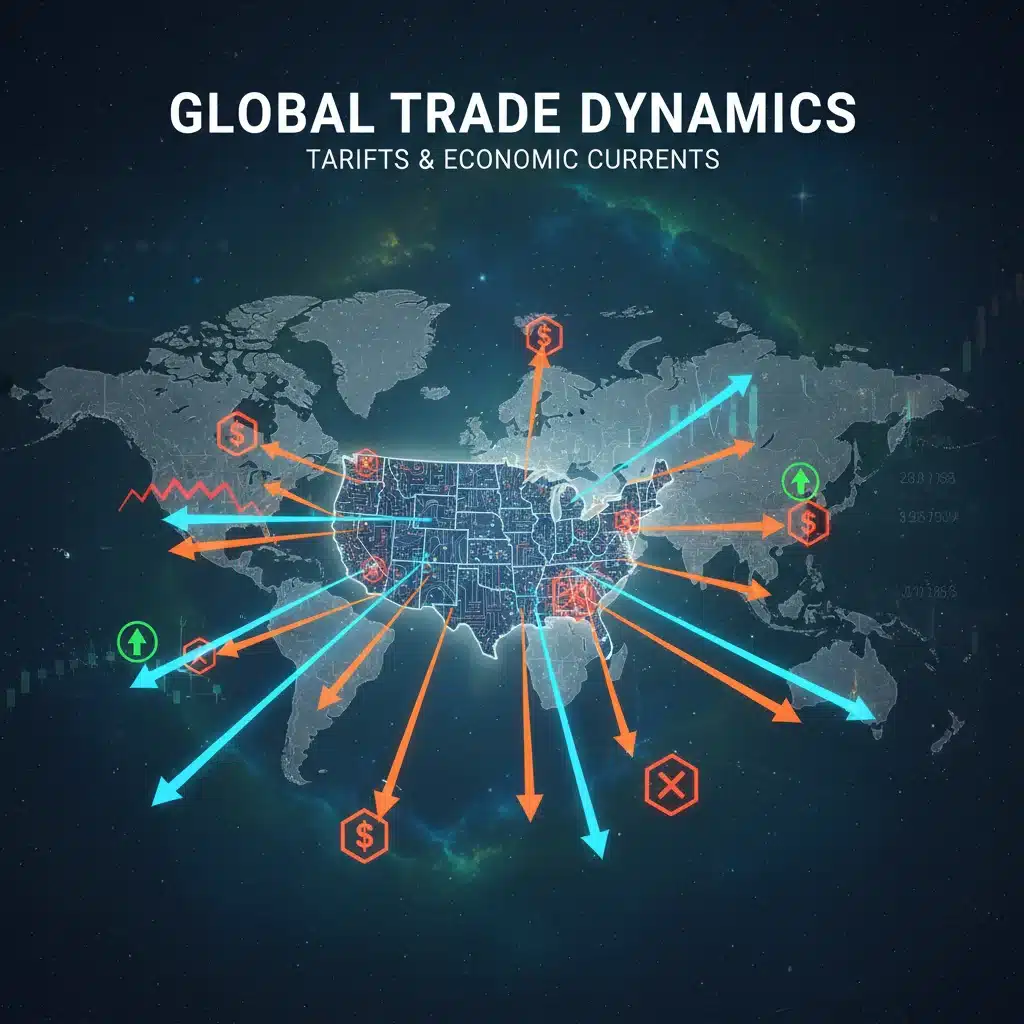
The global economic landscape is a constantly shifting tableau, influenced by geopolitical events, technological advancements, and, perhaps most significantly, national trade policies. As we look ahead to 2026, the implications of recent US trade policies, particularly the strategic application of tariffs, are becoming increasingly clear, promising a significant ripple effect on consumer goods. This article delves deep into the mechanisms of these policies, their projected impact on various sectors, and what consumers can expect in terms of prices, availability, and choices.
Understanding the intricacies of US trade policies is paramount for businesses and consumers alike. Tariffs, essentially taxes on imported goods or services, are a primary tool in a nation’s trade arsenal. While often implemented with the intention of protecting domestic industries, fostering national security, or correcting perceived unfair trade practices, their consequences are rarely straightforward. They can lead to higher costs for consumers, retaliatory tariffs from other countries, and a re-shaping of global supply chains. The year 2026 is poised to be a crucial period for observing the full maturation of policies enacted in the preceding years, providing a clearer picture of their long-term effects.
The Foundation of Recent US Trade Policies: A Retrospective
To fully grasp the projected impact in 2026, it’s essential to briefly revisit the evolution of US trade policies that have led us to this point. Over the past decade, there has been a noticeable shift in the US approach to international trade. From a generally free-trade oriented stance, there’s been a discernible move towards a more protectionist and strategic framework. This shift has been driven by a combination of factors, including concerns over trade deficits, intellectual property theft, national security imperatives, and the desire to reshore manufacturing jobs.
Key policy decisions and legislative actions have laid the groundwork for the current scenario. These include the imposition of Section 232 tariffs on steel and aluminum, Section 301 tariffs on various goods from specific countries (notably China), and a renewed focus on bilateral trade agreements over multilateral ones. Each of these actions, while distinct in their immediate targets and justifications, collectively contribute to a broader strategy of recalibrating America’s position in global trade. The cumulative effect of these various tariffs and trade negotiations is what we are now seeing manifest and what will be fully realized in 2026.
The rationale behind these policies often centers on creating a ‘level playing field’ for American businesses and workers. Proponents argue that tariffs can incentivize domestic production, reduce reliance on foreign supply chains, and ultimately strengthen the US economy. However, critics often point to the potential for increased consumer costs, reduced competitiveness for export-oriented industries, and strained international relations. The debate is complex, with valid arguments on both sides, and the real-world outcomes are often a mix of intended and unintended consequences.
How Tariffs Directly Influence Consumer Goods Pricing
The most immediate and tangible effect of tariffs on consumers is often seen in the price of goods. When tariffs are imposed on imported products, the cost of bringing those goods into the US increases. This additional cost is rarely absorbed entirely by the importer or the foreign manufacturer; instead, it is typically passed down the supply chain, eventually reaching the consumer. This phenomenon is a direct consequence of the US trade policies in play.
Consider a scenario where a tariff is placed on imported electronics. The US distributor who purchases these electronics from an overseas manufacturer will now pay the original price plus the tariff. To maintain profit margins, the distributor will raise their selling price to retailers, who, in turn, will increase the price for the end consumer. This cascading effect means that items like smartphones, laptops, televisions, and even components within these devices, become more expensive.
The impact isn’t limited to directly tariffed items. Tariffs on raw materials or intermediate goods can also lead to price increases for domestically produced items. For instance, if steel tariffs increase the cost of steel, then cars, appliances, and construction materials made with that steel will also see their prices rise, even if the final product itself isn’t imported. This indirect effect broadens the scope of impact of US trade policies on the average household’s budget.

Moreover, tariffs can reduce competition. If imported goods become too expensive, some foreign producers may exit the US market, leaving fewer options for consumers. While this might theoretically benefit domestic producers, it can also lead to less competitive pricing and innovation in the long run. Consumers might find themselves paying more for a narrower selection of goods, a direct outcome of the evolving US trade policies.
Supply Chain Disruptions and Product Availability
Beyond pricing, US trade policies and tariffs have a profound effect on global supply chains, which in turn impacts product availability. Modern manufacturing relies on intricate global networks, with components and sub-assemblies often sourced from multiple countries before final assembly. Tariffs can throw a wrench into this finely tuned machine.
When tariffs are imposed, companies may need to re-evaluate their sourcing strategies. This could involve shifting production to non-tariffed countries, finding new suppliers, or even bringing production back to the US. While these adjustments can sometimes lead to greater resilience in the long term, the transition period is often marked by significant disruptions. These disruptions can manifest as delays in product delivery, shortages of certain goods, or even the complete disappearance of some product lines from the market.
For instance, if a specific electronic component from a tariffed country becomes prohibitively expensive, manufacturers might struggle to find an alternative supplier that meets quality and volume requirements. This can lead to production slowdowns for the final product, affecting everything from cars to medical devices. Consumers might experience longer wait times for popular items, or find that certain models or brands are simply unavailable. This ripple effect underscores the interconnectedness of the global economy and the far-reaching consequences of specific US trade policies.
The automotive industry is a prime example. Parts are sourced globally, and tariffs on steel, aluminum, or electronic components can significantly increase manufacturing costs and complicate logistics. This can lead to higher car prices, fewer models available, or longer waiting lists for new vehicles. Similarly, the apparel industry, heavily reliant on international sourcing, can see shifts in production locations and, consequently, changes in the availability and variety of clothing items on store shelves.
Sector-Specific Analysis: Who Feels the Pinch Most?
The impact of US trade policies and tariffs is not uniform across all sectors. Some industries are more exposed to international trade and thus more vulnerable to tariff-related disruptions and cost increases. Understanding these sector-specific vulnerabilities provides a clearer picture of the overall economic impact in 2026.
Electronics and Technology
This sector is arguably one of the most affected. Given the globalized nature of electronics manufacturing, with complex supply chains spanning Asia, Europe, and North America, tariffs on components or finished goods can lead to substantial price hikes for consumers. From smartphones and computers to home appliances and gaming consoles, consumers can expect to pay more. Innovation cycles might also be affected as companies grapple with increased costs and supply chain uncertainties.
Automotive Industry
As mentioned, the automotive sector is highly integrated globally. Tariffs on steel, aluminum, and various electronic components directly impact the cost of manufacturing vehicles. This can lead to higher sticker prices for new cars, increased repair costs due to more expensive parts, and potentially a shift in vehicle models offered in the US market as manufacturers adjust their production strategies in response to US trade policies.
Apparel and Footwear
The vast majority of clothing and footwear sold in the US is imported. Tariffs in this sector directly translate to higher prices for consumers. Furthermore, companies may shift sourcing to different countries, potentially leading to changes in product quality, style, and availability. Fast fashion, which relies on rapid global supply chains, could be particularly sensitive to these shifts.
Agriculture and Food Products
While often seen as an export-driven sector, tariffs can also impact food prices for consumers. Retaliatory tariffs from other countries can hurt American agricultural exports, leading to surpluses domestically and potentially lower prices for some raw agricultural goods. However, tariffs on imported food items or agricultural inputs (like fertilizers or machinery) can increase costs for domestic producers, which may then be passed on to consumers in the form of higher food prices. The complexity of US trade policies in this sector can lead to varied outcomes.
Home Goods and Furniture
Many household items, from furniture to kitchenware and decorative pieces, are imported. Tariffs on these goods mean higher costs for consumers looking to furnish their homes. This can affect affordability and potentially lead to a slowdown in consumer spending on discretionary home improvement items.
The Consumer Response: Adapting to New Realities
As US trade policies continue to shape the economic environment in 2026, consumers are likely to adapt their purchasing behaviors in several ways. These adaptations can have further ripple effects on the economy.
Increased Price Sensitivity
With higher prices across various categories, consumers are expected to become even more price-sensitive. This could lead to increased demand for discounts, promotions, and value-oriented brands. Bargain hunting and careful budgeting will become more prevalent as households try to stretch their dollars further. The perceived value of goods will be scrutinized more closely.
Shift Towards Domestic Alternatives (Where Available)
One of the stated goals of some US trade policies is to encourage domestic production. If imported goods become significantly more expensive, consumers might actively seek out American-made alternatives. While this could stimulate some domestic industries, it’s important to note that for many product categories, robust domestic alternatives may not exist or may also face increased costs due to tariffs on imported raw materials.

Delayed Purchases and Reduced Discretionary Spending
When essential goods become more expensive, consumers often cut back on non-essential, discretionary spending. This could mean delaying purchases of new electronics, furniture, or vehicles, and reducing spending on leisure activities. Such a shift in spending patterns can have broader implications for economic growth and various service industries.
Embracing Second-Hand Markets and Repair
As new products become more costly, there might be a greater inclination towards repairing existing items or purchasing second-hand goods. This trend, while environmentally beneficial, also reflects a consumer base adjusting to economic pressures brought about by changing US trade policies.
Long-Term Economic Implications Beyond 2026
The effects of US trade policies extend far beyond the immediate pricing and availability of consumer goods in 2026. There are significant long-term implications for the US economy, global trade relations, and the future of manufacturing.
Reshaping Global Trade Alliances
Tariffs and protectionist measures can strain international relationships, potentially leading to trade disputes and retaliatory actions. Countries affected by US tariffs may seek to diversify their trade partners, forming new alliances and supply chains that exclude the US. This could lead to a fragmentation of global trade, with different blocs emerging, each with its own set of rules and preferential agreements. The geopolitical landscape is undeniably influenced by these economic decisions.
Innovation and Competitiveness
While tariffs aim to protect domestic industries, they can also shield them from foreign competition, potentially reducing the incentive to innovate. In a less competitive environment, domestic companies might become complacent, leading to slower technological advancements and less efficient production methods. Conversely, some argue that strategic tariffs can provide a necessary breathing room for nascent domestic industries to develop and become globally competitive. The outcome depends heavily on the specific industry and the broader economic context shaped by US trade policies.
Inflationary Pressures
Tariffs are inherently inflationary, as they increase the cost of imported goods. If these cost increases are widespread and sustained, they can contribute to broader inflationary pressures within the economy. This can erode purchasing power, reduce real wages, and necessitate central bank interventions, such as interest rate hikes, which can further dampen economic growth. The careful management of inflationary pressures will be a key challenge in the wake of robust US trade policies.
Investment and Job Creation
The impact on investment and job creation is a mixed bag. On one hand, tariffs might incentivize some companies to invest in US manufacturing facilities, creating domestic jobs. On the other hand, higher input costs and reduced consumer demand due to tariffs could deter investment and lead to job losses in other sectors, particularly those reliant on exports or affordable imported components. The net effect on employment is a complex calculation, with different sectors experiencing varying outcomes.
Navigating the Future: Strategies for Businesses and Consumers
In the face of evolving US trade policies and their impact on consumer goods in 2026, both businesses and consumers need to adopt strategic approaches to navigate the new economic reality.
For Businesses:
- Supply Chain Diversification: Companies should actively seek to diversify their sourcing and manufacturing locations to reduce reliance on any single country or region that might be subject to tariffs.
- Domestic Sourcing and Reshoring: Evaluate the feasibility of increasing domestic production or sourcing components from within the US, especially for critical goods.
- Cost Management and Efficiency: Implement aggressive cost-cutting measures and efficiency improvements to absorb some of the tariff-related cost increases without fully passing them on to consumers.
- Innovation and Value Proposition: Focus on innovation to create unique products and strong value propositions that can justify higher prices, even in a competitive market influenced by US trade policies.
- Advocacy and Engagement: Stay informed about trade policy developments and engage with policymakers to advocate for policies that support business stability and growth.
For Consumers:
- Budgeting and Financial Planning: Be prepared for potentially higher prices for a range of consumer goods and adjust household budgets accordingly.
- Research and Comparison Shopping: Invest time in researching products and comparing prices from different retailers and brands to find the best value.
- Consider Alternatives: Explore domestic options, second-hand markets, or repairing existing items as viable alternatives to purchasing new, potentially more expensive imported goods.
- Stay Informed: Keep abreast of economic news and trade policy changes to anticipate future price fluctuations and product availability issues.
- Prioritize Needs vs. Wants: In an environment of rising costs, it becomes even more crucial to differentiate between essential needs and discretionary wants, making informed purchasing decisions.
Conclusion: The Enduring Influence of US Trade Policies
The year 2026 marks a significant juncture in observing the long-term effects of recent US trade policies on consumer goods. The strategic use of tariffs, while aimed at achieving specific economic and geopolitical objectives, has undeniably altered the landscape for businesses and consumers alike. From increased prices and supply chain disruptions to shifts in product availability and consumer purchasing behavior, the reverberations are widespread and deeply felt.
While the full extent of these impacts will continue to unfold, it is clear that adaptability, informed decision-making, and a proactive approach will be crucial for all stakeholders. The dynamic interplay between national economic strategy and global market realities will continue to define the consumer experience. As we move forward, understanding the nuances of US trade policies will not just be an academic exercise, but a practical necessity for navigating the complexities of the modern marketplace.
The future of consumer goods in the US is inextricably linked to the trajectory of its trade policies. Whether these policies ultimately lead to a more resilient, self-sufficient economy or contribute to inflationary pressures and reduced consumer choice remains a subject of ongoing debate and observation. What is certain is that the decisions made today regarding international trade will continue to shape our shopping carts and wallets in the years to come.