AI in K-12 Education 2026: Trends for US Parents & Educators
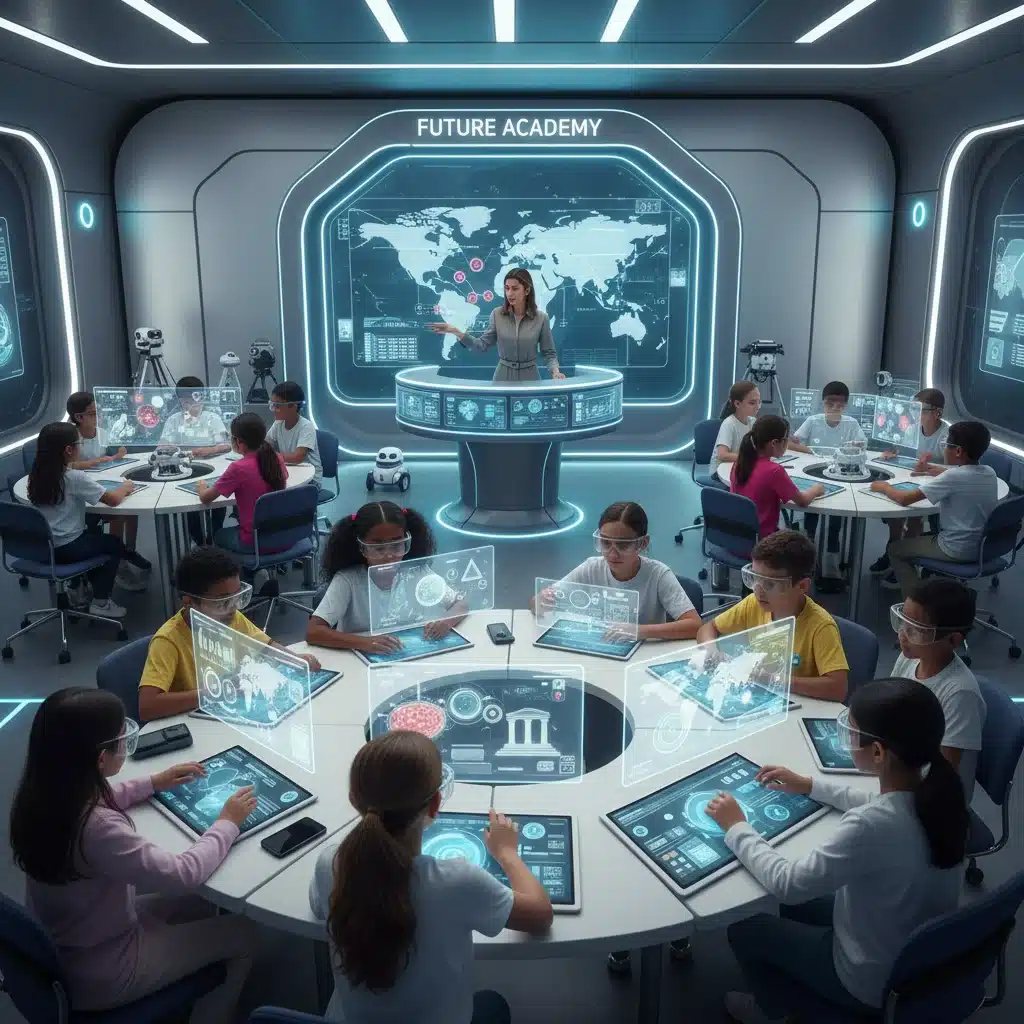
The Impact of AI on K-12 Education: 5 Key Trends for US Parents and Educators in 2026
The landscape of K-12 education in the United States is on the cusp of a profound transformation, driven largely by the accelerating integration of Artificial Intelligence (AI). As we look towards 2026, it’s clear that AI is not just a passing technological fad but a foundational shift that will redefine how students learn, how teachers teach, and how schools operate. For parents and educators alike, understanding these emerging AI K-12 education trends is paramount to preparing students for a future where AI fluency will be as critical as literacy and numeracy.
This article delves into five pivotal AI K-12 education trends that are expected to significantly impact US schools by 2026. From personalized learning experiences tailored to individual student needs to the automation of administrative tasks, AI promises both immense opportunities and significant challenges. We will explore how these trends will manifest in classrooms, the benefits they offer, and the crucial considerations for successful, ethical implementation. Navigating this evolving educational ecosystem requires foresight, collaboration, and a commitment to leveraging technology responsibly to foster optimal learning environments for every child.
1. Hyper-Personalized Learning Pathways and Adaptive Tutoring
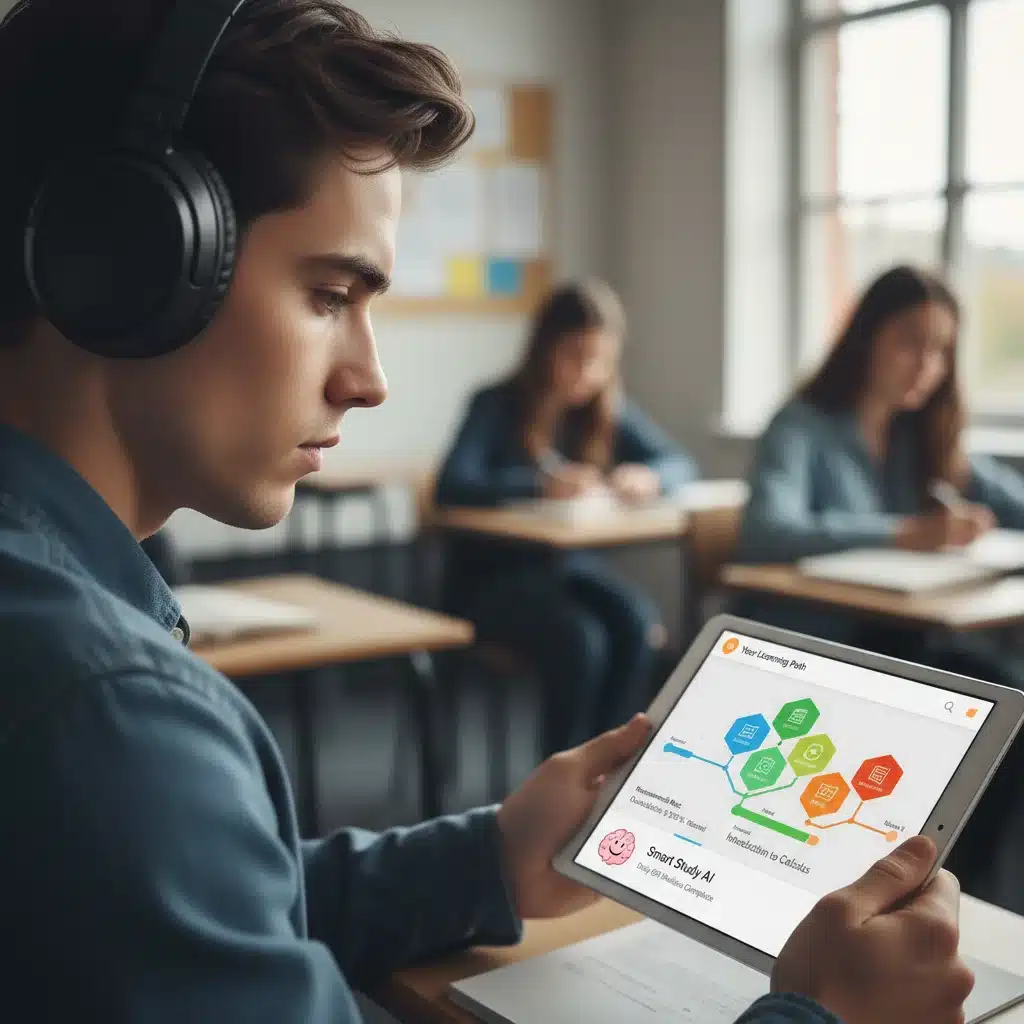
One of the most revolutionary AI K-12 education trends is the advent of hyper-personalized learning pathways. For decades, educators have strived to meet the diverse needs of every student, a monumental task in a traditional classroom setting. AI, however, offers the tools to make this aspiration a reality. By 2026, AI-powered platforms will be commonplace, capable of analyzing a student’s learning style, pace, strengths, and weaknesses with unprecedented precision. These systems will then dynamically adjust curriculum content, recommend specific resources, and even suggest optimal learning strategies unique to each individual.
Imagine a student struggling with algebra. Instead of a one-size-fits-all remedial session, an AI system identifies the precise foundational concepts they’re missing, then provides targeted exercises, interactive simulations, and explanations in a format that resonates with their learning preference – be it visual, auditory, or kinesthetic. This adaptive approach ensures that no student is left behind, and advanced learners are continuously challenged, preventing boredom and fostering a deeper engagement with the material.
Adaptive tutoring, a subset of personalized learning, will also see significant growth. AI tutors will act as tireless, always-available learning companions, providing instant feedback, answering questions, and guiding students through complex problems step-by-step. These tutors won’t replace human teachers but will augment their capabilities, freeing up educators to focus on higher-order tasks like critical thinking, emotional development, and collaborative projects. The data generated by these AI systems will also provide invaluable insights to teachers, allowing them to intervene effectively and tailor their classroom instruction based on real-time student performance data across the entire class.
For parents, this means a more equitable and effective education for their children, where learning is optimized to their child’s specific needs rather than a generic curriculum. For educators, it offers a powerful assistant that can manage the complexities of differentiated instruction, allowing them to dedicate more time to mentorship and fostering a dynamic classroom environment. The ethical implications, such as data privacy and algorithmic bias, will need careful consideration and robust policies, but the potential for transformative learning is immense.
2. AI-Powered Administrative Efficiency and Resource Optimization
Beyond the classroom, another significant AI K-12 education trend will be the pervasive use of AI to streamline administrative tasks and optimize school resources. School administrators and support staff often grapple with mountains of paperwork, scheduling conflicts, and resource allocation challenges. AI is poised to revolutionize these operational aspects, allowing schools to run more efficiently and educators to dedicate more time to their core mission: teaching.
By 2026, AI algorithms will be adept at automating routine administrative duties. This includes tasks such as student enrollment processes, managing attendance records, scheduling classes to maximize resource utilization (e.g., matching teachers with specific expertise to student needs, optimizing classroom space), and even predicting facility maintenance requirements to prevent costly breakdowns. Imagine an AI system that can analyze historical data to forecast student enrollment trends, helping school districts plan for staffing and infrastructure needs years in advance, thereby avoiding overcrowding or underutilization of resources.
Furthermore, AI will play a crucial role in resource optimization, from managing school bus routes to reducing energy consumption in school buildings. Smart building management systems powered by AI can learn usage patterns and adjust heating, ventilation, and lighting to save costs and create more comfortable learning environments. In terms of communication, AI-driven chatbots can handle routine parent inquiries, providing instant answers to frequently asked questions about school policies, events, or homework, thereby reducing the burden on office staff.
The benefits extend to financial management as well. AI tools can help schools track budgets, identify spending inefficiencies, and even assist in grant writing by sifting through vast databases of funding opportunities. While the initial investment in AI infrastructure might be substantial, the long-term savings in operational costs and the increase in efficiency will be significant. This trend promises to free up valuable human capital, enabling administrators to focus on strategic planning, community engagement, and supporting the educational mission rather than being bogged down by repetitive tasks. Concerns about job displacement will need to be addressed through retraining and reallocation of staff to higher-value roles, but the overall impact on school operations is expected to be overwhelmingly positive.
3. Enhanced Data Analytics for Informed Decision-Making
Data has always been a part of education, but the sheer volume and complexity of educational data are rapidly expanding. The third key AI K-12 education trend involves the use of AI-powered data analytics to extract meaningful insights from this information, leading to more informed decision-making at all levels – from individual student support to district-wide policy formulation. By 2026, schools will move beyond basic spreadsheets, leveraging sophisticated AI models to understand learning patterns, predict outcomes, and identify at-risk students much earlier.
AI can process vast datasets that include student performance on assignments and tests, engagement levels in online platforms, attendance records, demographic information, and even behavioral patterns. By analyzing these diverse data points, AI can identify correlations and predict potential challenges or successes. For example, an AI system might flag a student who is showing early signs of disengagement or academic difficulty, allowing teachers and counselors to intervene proactively with targeted support before the issue escalates. This predictive capability is a game-changer for student welfare and academic achievement.
At a broader level, AI analytics can help school districts evaluate the effectiveness of different teaching methodologies, curriculum materials, or intervention programs. By comparing outcomes across various cohorts and adjusting for confounding variables, AI can provide evidence-based recommendations for improving educational strategies. This moves education closer to a data-driven science, where decisions are made not just on intuition but on solid analytical insights.
For parents, this means greater transparency and accountability in their child’s education, with schools having a clearer picture of what works and what doesn’t. For educators, it provides powerful tools to understand their students better, personalize their teaching, and justify pedagogical choices with empirical evidence. However, the ethical implications of using student data are paramount. Strict protocols for data privacy, security, and the avoidance of algorithmic bias must be established and rigorously followed to ensure that AI analytics serve to empower and protect students, not to label or disadvantage them. Transparency in how data is collected and used will be critical in building trust among parents and the community.
4. AI in Content Creation and Curriculum Development
The fourth major AI K-12 education trend by 2026 will be the increasing role of AI in content creation and curriculum development. Traditionally, developing high-quality educational materials is a time-consuming and labor-intensive process. AI promises to accelerate this, enabling educators to generate diverse, engaging, and up-to-date content more efficiently, and to tailor curricula with unprecedented flexibility.
AI tools, particularly generative AI, can assist in creating a wide array of educational resources. This includes generating practice questions, crafting customized reading passages at different Lexile levels, summarizing complex texts, creating interactive simulations, and even drafting lesson plans. Imagine a teacher needing supplementary materials on a specific historical event; an AI can quickly generate a set of differentiated articles, quizzes, and discussion prompts tailored to various student abilities within minutes. This significantly reduces the preparation burden on teachers, allowing them more time for direct student interaction and professional development.
Furthermore, AI can help in curriculum development by identifying gaps in existing materials, suggesting improvements based on learning science research, and ensuring alignment with state and national standards. AI can also analyze the effectiveness of different content types on student engagement and learning outcomes, providing valuable feedback for continuous improvement. This iterative process, driven by AI, can lead to more dynamic and responsive curricula that evolve with student needs and the latest educational research.
The potential for AI to support the creation of accessible content is also profound. AI can automatically generate captions for videos, translate materials into multiple languages, and adapt content for students with various learning disabilities, ensuring that all students have access to the resources they need. While human oversight remains crucial to ensure accuracy, pedagogical soundness, and cultural appropriateness, AI will become an indispensable assistant in the creation of rich, diverse, and personalized learning content. This trend will empower educators to be curators and facilitators of learning rather than sole content creators, fostering a more dynamic and responsive educational ecosystem.
5. Ethical AI Integration and Digital Citizenship Education
As AI becomes more embedded in K-12 education, the fifth and arguably most crucial AI K-12 education trend revolves around the ethical integration of AI and the imperative to teach digital citizenship. The benefits of AI are undeniable, but its implementation comes with significant responsibilities. By 2026, schools will need robust frameworks to address issues of data privacy, algorithmic bias, equity of access, and the potential impact on human interaction.
Data privacy will be a paramount concern. Schools collect vast amounts of sensitive student data, and the use of AI systems amplifies the need for stringent security measures and clear policies on how this data is stored, processed, and shared. Parents will demand transparency and control over their children’s data, and schools must be prepared to meet these expectations with clear communication and adherence to privacy regulations like FERPA.
Algorithmic bias is another critical consideration. If AI systems are trained on biased data, they can perpetuate and even amplify existing inequalities, potentially disadvantaging certain student populations. Educators and developers must work together to ensure that AI tools are designed and deployed equitably, promoting fairness and inclusivity for all students, regardless of background or ability.
Beyond these technical and policy considerations, K-12 education must also focus on teaching students to be responsible digital citizens in an AI-driven world. This means educating them about how AI works, its capabilities and limitations, and how to critically evaluate information generated or filtered by AI. Students will need to understand concepts like deepfakes, algorithmic transparency, and the ethical implications of AI in society. Developing these critical thinking skills will be essential for navigating a future where AI is ubiquitous.
Moreover, educators themselves will require ongoing professional development to understand AI tools, integrate them effectively into their pedagogy, and model ethical AI use. The goal is not just to use AI, but to use it wisely, ensuring it enhances human connection, fosters creativity, and promotes a deeper understanding of the world, rather than diminishing these essential aspects of education. This trend emphasizes that technology is a tool, and its impact is ultimately shaped by the values and intentions of those who wield it.
Conclusion: Preparing for an AI-Powered Educational Future
The five AI K-12 education trends discussed – hyper-personalized learning, administrative efficiency, enhanced data analytics, AI in content creation, and ethical integration – paint a vivid picture of the future of education in the US by 2026. This future is one where AI acts as a powerful enabler, transforming traditional classrooms into dynamic, adaptive learning environments tailored to the unique needs of every student. It promises to alleviate the administrative burdens on educators, allowing them to focus more on the art of teaching and mentorship.
For parents, these trends signify a future where their children receive an education that is not only more effective and engaging but also more equitable and responsive to their individual potential. For educators, AI offers a suite of intelligent assistants that can amplify their impact, provide unprecedented insights into student learning, and free up valuable time for meaningful interactions.
However, realizing this transformative potential requires proactive engagement from all stakeholders. School districts must invest in robust infrastructure, provide comprehensive professional development for teachers, and establish clear policies for data privacy and ethical AI use. Policymakers need to create supportive regulatory frameworks that encourage innovation while safeguarding student welfare. And parents must remain informed, engaged, and ready to partner with schools in navigating this exciting new frontier.
The journey towards an AI-powered educational future is not without its challenges, but the opportunities for profound positive impact are immense. By embracing these AI K-12 education trends with foresight, collaboration, and a commitment to ethical principles, the US education system can prepare its students not just for the jobs of tomorrow, but for a future where they are empowered to learn, adapt, and thrive in an increasingly intelligent world.