Preparing Students for a Green Economy: 3 Essential Skills for Jobs with 20% Projected Growth by 2026
The world is undergoing a profound transformation. As environmental challenges become more pressing and the imperative for sustainable development grows, a new economic landscape is emerging: the green economy. This isn’t just a buzzword; it’s a rapidly expanding sector that promises not only ecological benefits but also significant economic opportunities. For students currently navigating their educational paths, understanding and acquiring the right green economy skills is paramount to securing a prosperous future. The statistics are compelling: jobs within the green sector are projected to experience a remarkable 20% growth by 2026, far outstripping the average job growth across other industries. This article delves into the core competencies that will define success in this evolving marketplace, offering insights for educators, parents, and students alike.
The shift towards a green economy is driven by a global commitment to address climate change, conserve natural resources, and promote social equity. This commitment translates into a burgeoning demand for professionals who can design, implement, and manage sustainable solutions across various sectors, from renewable energy and sustainable agriculture to eco-friendly manufacturing and green finance. The jobs emerging from this paradigm shift are not merely niche roles; they are foundational positions that require a blend of technical expertise, critical thinking, and a deep understanding of environmental principles. Therefore, preparing students with the essential green economy skills is not just an option, but a necessity for their future careers and for the planet’s well-being.
In this comprehensive guide, we will explore three pivotal skill sets that will empower students to thrive in the green economy. These skills go beyond traditional academic knowledge, emphasizing practical application, innovative thinking, and a holistic approach to problem-solving. By focusing on these areas, educational institutions can better equip the next generation to tackle complex environmental issues and contribute meaningfully to a sustainable world. Let’s dive into the competencies that will define the workforce of tomorrow.
1. Systems Thinking and Interdisciplinary Problem-Solving
One of the most critical green economy skills is the ability to engage in systems thinking and interdisciplinary problem-solving. The challenges of sustainability are rarely confined to a single discipline. Climate change, resource depletion, and pollution are complex issues that interlink environmental science, economics, social justice, engineering, policy, and even ethics. A true understanding of these problems requires moving beyond siloed approaches and embracing a holistic perspective.
What is Systems Thinking?
Systems thinking involves understanding how different components of a system interact and influence each other. Instead of viewing problems in isolation, individuals with strong systems thinking abilities can see the bigger picture, identifying root causes, feedback loops, and unintended consequences. For example, designing a new renewable energy system isn’t just about the technology; it also involves considering its impact on local communities, land use, energy markets, and regulatory frameworks. Students must learn to trace these connections and anticipate the broader implications of their decisions.
The Power of Interdisciplinary Approaches
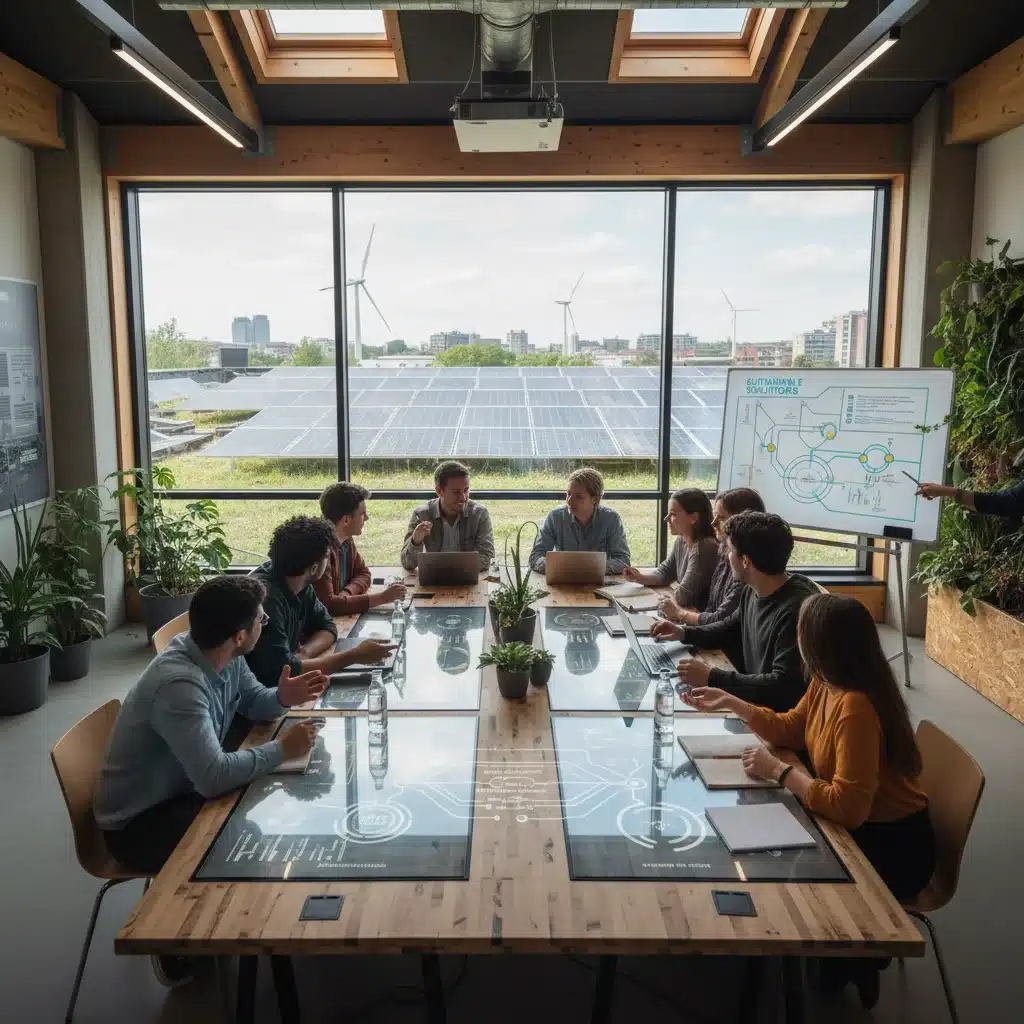
The green economy demands professionals who can bridge gaps between various fields. An environmental scientist might need to collaborate with an economist to assess the cost-effectiveness of a conservation project, or an engineer might work alongside a social scientist to ensure a sustainable infrastructure project meets community needs. This means students need to develop not only a foundational understanding of different disciplines but also the communication and collaboration skills necessary to work effectively with experts from diverse backgrounds. Educational programs should encourage cross-departmental projects, case studies that integrate multiple subjects, and guest lectures from professionals in various green sectors.
Developing These Skills in Students
To foster systems thinking and interdisciplinary problem-solving, educators can implement several strategies:
- Project-Based Learning: Assign complex, real-world sustainability challenges that require students to draw upon knowledge from multiple subjects (e.g., designing a zero-waste campus, developing a sustainable urban farm).
- Case Studies: Utilize detailed case studies of successful and unsuccessful sustainable initiatives, prompting students to analyze the various factors at play and propose integrated solutions.
- Guest Speakers and Field Trips: Bring in professionals from various green industries (e.g., urban planners, environmental policy analysts, renewable energy engineers) to share their experiences and demonstrate interdisciplinary collaboration. Organize field trips to sustainable businesses, eco-friendly facilities, or environmental research centers.
- Debate and Discussion: Encourage debates on controversial environmental topics, requiring students to research different perspectives (economic, social, ecological) and articulate well-rounded arguments.
- Simulation Games: Employ simulation games that model complex environmental or economic systems, allowing students to experiment with different interventions and observe their systemic effects.
By cultivating these green economy skills, students will be better equipped to tackle the multifaceted challenges of sustainability and innovate solutions that consider the entire ecosystem of human and natural interactions. This holistic perspective is not just an advantage; it’s a prerequisite for leadership in the green sector.
2. Data Literacy and Technological Proficiency for Sustainability
In the age of information, data is the new oil – and in the green economy, it’s the fuel for sustainable innovation. The second essential set of green economy skills revolves around data literacy and technological proficiency. From monitoring climate patterns and optimizing energy consumption to tracking supply chains and assessing environmental impacts, data plays a crucial role in every aspect of sustainable development. Professionals in the green sector must be able to collect, analyze, interpret, and communicate data effectively to inform decision-making and drive progress.
Understanding and Utilizing Data
Data literacy extends beyond simply reading charts and graphs. It involves understanding data sources, recognizing biases, evaluating the reliability of information, and using statistical tools to extract meaningful insights. For instance, a sustainable agriculture specialist might analyze soil data, weather patterns, and crop yields to optimize farming practices, while a renewable energy analyst might use sensor data to predict energy production and consumption trends. Students need to be comfortable working with large datasets, employing analytical software, and translating complex data into actionable strategies.
Embracing Emerging Technologies
The green economy is inherently linked to technological advancements. Innovations in renewable energy, smart grids, sustainable materials, waste management, and environmental monitoring are constantly evolving. Therefore, technological proficiency is another cornerstone skill. This includes familiarity with:
- Geographic Information Systems (GIS): For mapping environmental data, urban planning, and resource management.
- Remote Sensing: Utilizing satellite imagery and drone technology for environmental monitoring, deforestation tracking, and agricultural assessment.
- Big Data Analytics and AI: For predictive modeling of climate change, optimizing energy grids, and identifying patterns in resource consumption.
- Sensors and IoT (Internet of Things): For real-time monitoring of air and water quality, energy usage in smart buildings, and waste levels.
- Sustainable Design Software: Tools used in architecture and engineering to create energy-efficient buildings and products.
- Blockchain Technology: For transparent and traceable supply chains, promoting ethical sourcing and reducing environmental footprint.
Students don’t necessarily need to be expert programmers in all these areas, but they should have a conceptual understanding of how these technologies work and how they can be applied to solve sustainability challenges. Exposure to these tools will make them highly valuable assets in any green enterprise.

Cultivating Data Literacy and Tech Skills
Educational institutions can integrate data literacy and technological proficiency into the curriculum through:
- Applied Statistics and Data Science Courses: Tailored to environmental and sustainability contexts.
- Software Training: Offering workshops or courses on GIS, environmental modeling software, data visualization tools, and basic programming languages relevant to environmental applications (e.g., Python for data analysis).
- Hackathons and Data Challenges: Organizing events where students use data and technology to propose solutions to real-world environmental problems.
- Internships and Co-op Programs: Providing opportunities for students to work with companies or organizations that heavily rely on data and technology for their sustainability initiatives.
- Integrating Technology into Existing Subjects: For example, using GIS in geography, data analysis in economics, or CAD software for sustainable design in engineering.
By mastering these green economy skills, students will not only be capable of understanding the intricate details of environmental issues but also empowered to leverage cutting-edge tools to drive innovative, data-driven solutions for a sustainable future.
3. Innovation, Adaptability, and Entrepreneurial Mindset
The green economy is not static; it is a dynamic and rapidly evolving field. Therefore, the third crucial set of green economy skills encompasses innovation, adaptability, and an entrepreneurial mindset. The solutions to our most pressing environmental problems haven’t all been invented yet. The next generation of professionals must be creative thinkers, willing to challenge the status quo, embrace change, and identify new opportunities for sustainable growth.
Fostering an Innovative Spirit
Innovation in the green sector means developing new technologies, processes, and business models that reduce environmental impact while creating economic value. This could involve designing more efficient renewable energy systems, creating novel methods for waste reduction and recycling, developing sustainable alternatives to harmful chemicals, or pioneering circular economy principles. Students need to be encouraged to think outside the box, experiment with new ideas, and not be afraid of failure as a part of the learning process. This requires an educational environment that values creativity, critical inquiry, and constructive feedback.
The Importance of Adaptability
The landscape of the green economy is constantly shifting due to technological advancements, evolving regulations, new scientific discoveries, and changing consumer preferences. Professionals must be adaptable, capable of learning new skills quickly, adjusting to new information, and pivoting strategies when necessary. This means fostering a growth mindset in students – the belief that their abilities and intelligence can be developed through dedication and hard work. Adaptability also involves resilience, the capacity to bounce back from setbacks and continue pursuing sustainable goals despite challenges.
Cultivating an Entrepreneurial Mindset
An entrepreneurial mindset is vital for identifying opportunities within the green economy and turning innovative ideas into viable solutions. This isn’t just about starting a business; it’s about having the initiative, resourcefulness, and problem-solving drive to create value in any role. Green entrepreneurs are developing eco-friendly products, launching sustainable services, and finding innovative ways to reduce waste and carbon footprints. Students with an entrepreneurial spirit are proactive, take calculated risks, and are skilled at identifying market gaps for sustainable solutions. They understand how to develop a compelling vision, secure resources, and navigate the complexities of bringing a new idea to fruition.

Strategies for Developing These Qualities
To instill innovation, adaptability, and an entrepreneurial mindset, educators can:
- Design Thinking Workshops: Introduce methodologies like design thinking, which guides students through a process of empathizing, ideating, prototyping, and testing solutions to real-world problems.
- Incubator Programs and Competitions: Support student-led initiatives to develop sustainable business ideas, providing mentorship, resources, and opportunities to pitch their concepts.
- Simulated Business Environments: Create projects that mimic the challenges of launching a sustainable product or service, requiring students to consider market analysis, financial planning, and environmental impact.
- Mentorship from Green Entrepreneurs: Connect students with successful green business owners and innovators who can share their experiences and offer guidance.
- Emphasis on Continuous Learning: Encourage students to stay updated with the latest trends, research, and technologies in sustainability through seminars, conferences, and independent study.
- Promote Risk-Taking and Learning from Failure: Create a classroom culture where experimentation is valued, and mistakes are seen as opportunities for growth, rather than deterrents.
These green economy skills – innovation, adaptability, and an entrepreneurial mindset – are crucial for not just finding a job, but for creating the future. They empower students to be active agents of change, driving the transition to a more sustainable and prosperous world.
The Role of Education in Shaping the Green Workforce
The responsibility of preparing students for the green economy falls heavily on educational institutions. While individual students must commit to developing these essential green economy skills, schools, colleges, and universities play a critical role in providing the frameworks, resources, and inspiration. Integrating sustainability across curricula, rather than treating it as an isolated subject, is key. This means:
- Curriculum Redesign: Infusing sustainability principles into subjects like science, mathematics, economics, history, and even arts. For example, discussing the economics of renewable energy in an economics class or analyzing historical environmental policies in a history lesson.
- Teacher Training: Equipping educators with the knowledge and tools to teach green concepts effectively and to foster the necessary skills in their students.
- Partnerships: Collaborating with green businesses, environmental organizations, and local government agencies to offer internships, mentorships, and real-world project opportunities.
- Resource Allocation: Investing in infrastructure that supports sustainable learning, such as eco-friendly campus initiatives, labs for environmental science, and access to relevant technologies.
- Career Guidance: Providing students with up-to-date information on green career pathways, growth projections, and the specific skills required for these roles.
By proactively addressing these areas, educational systems can become powerful catalysts for change, ensuring that the next generation is not only aware of environmental challenges but also equipped with the competencies to overcome them. The goal is to cultivate a workforce that is not just employed in the green economy, but is actively shaping its future.
Conclusion: Building a Sustainable Future, One Skill at a Time
The green economy represents a monumental shift towards a sustainable future, offering a wealth of opportunities for those prepared to meet its demands. With jobs projected to grow by 20% by 2026, the urgency to equip students with the right green economy skills has never been greater. The three essential skill sets – systems thinking and interdisciplinary problem-solving, data literacy and technological proficiency, and innovation, adaptability, and an entrepreneurial mindset – form the bedrock of success in this burgeoning sector.
These are not merely academic concepts; they are practical, transferable skills that empower individuals to understand complex environmental issues, leverage cutting-edge technology for solutions, and creatively drive sustainable change. By focusing on these core competencies, educators can ensure that students are not just learning about sustainability, but are actively preparing to lead the charge towards a greener, more resilient world. The future of our planet, and the prosperity of the next generation, depend on our collective commitment to fostering these vital green economy skills.
Investing in these skills today means investing in a workforce that is capable, innovative, and deeply committed to environmental stewardship. As students step into their careers, they will find themselves at the forefront of a global movement, contributing to solutions that benefit both people and the planet. The time to act is now, shaping education to meet the demands of a sustainable tomorrow.