The Evolving Role of School Counselors: 5 Key Areas of Focus for Student Well-being in 2026
In an educational landscape that is constantly shifting, the role of the school counselor has never been more critical or complex. Gone are the days when school counselors were solely perceived as gatekeepers to college applications or schedulers of classes. Today, and increasingly so by 2026, their responsibilities encompass a holistic approach to student development, addressing academic, career, and social-emotional needs with unparalleled depth. The school counselor evolution is not just a trend; it’s a fundamental recalibration of their impact on student well-being and success.
As we navigate a world marked by rapid technological advancements, growing mental health challenges among youth, and an ever-changing job market, school counselors are at the forefront, guiding students through these complexities. Their expertise is becoming indispensable in fostering resilient, well-adjusted, and future-ready individuals. This article delves into five key areas that will define the evolving role of school counselors by 2026, highlighting their pivotal contributions to student well-being.
1. Prioritizing Mental Health and Social-Emotional Learning (SEL)
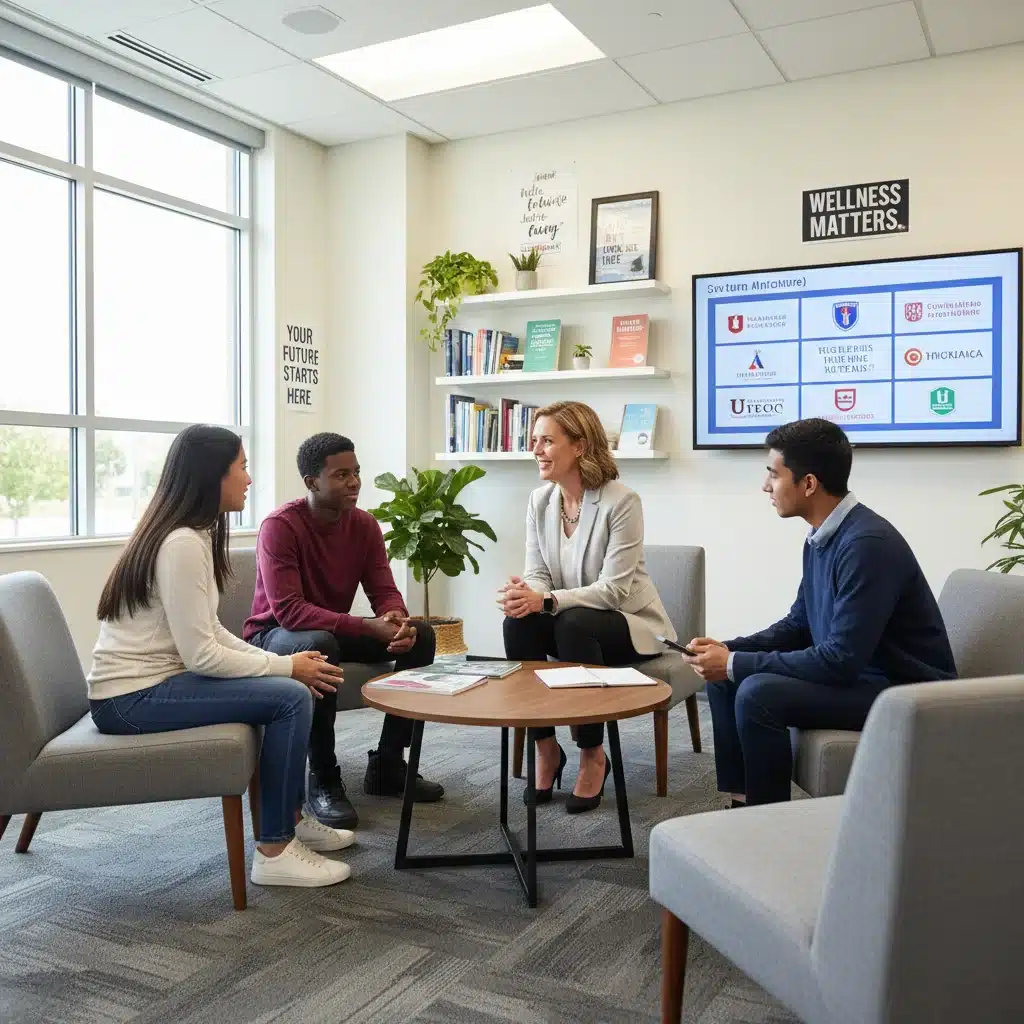
The mental health crisis among children and adolescents has been steadily escalating, a trend exacerbated by global events and the pervasive nature of social media. By 2026, school counselors will be unequivocally recognized as frontline mental health professionals within the school setting. Their role will extend far beyond crisis intervention to proactive mental health promotion and the integration of robust Social-Emotional Learning (SEL) programs.
Counselors will be instrumental in identifying early warning signs of mental health issues, providing immediate support, and facilitating referrals to external specialists when necessary. This requires enhanced training in trauma-informed practices, cognitive behavioral techniques, and a deep understanding of developmental psychology. Furthermore, they will lead efforts to embed SEL competencies—such as self-awareness, self-management, social awareness, relationship skills, and responsible decision-making—into the school curriculum and culture. This proactive approach aims to equip students with coping mechanisms, emotional intelligence, and resilience, fostering a supportive environment where students feel safe, valued, and understood.
The emphasis on SEL is not merely about teaching students to manage their emotions; it’s about building a foundation for lifelong success. Research consistently shows that strong SEL skills correlate with improved academic performance, better relationships, and reduced behavioral problems. School counselors will champion these initiatives, working collaboratively with teachers, administrators, and parents to create a cohesive system of support. This aspect of the school counselor evolution represents a significant shift towards a preventative and holistic model of student care, ensuring that mental health is treated with the same importance as academic achievement.
Moreover, counselors will play a crucial role in destigmatizing mental health discussions within schools. By creating open and accepting spaces, they encourage students to seek help without fear of judgment. They will organize workshops, awareness campaigns, and peer support programs, fostering a culture of empathy and understanding. This comprehensive approach to mental health and SEL is not just beneficial for individual students but contributes to a healthier, more productive school community as a whole. The demand for school counselors with specialized training in these areas will continue to grow, making it a cornerstone of their professional development.
2. Navigating Complex Career and Post-Secondary Pathways
The traditional path from high school to a four-year university is no longer the sole or even preferred option for many students. The job market of 2026 demands a diverse skill set and adaptability, with new industries emerging and existing ones transforming at an unprecedented pace. School counselors will be pivotal in helping students explore a wider array of post-secondary options, including vocational training, apprenticeships, military service, entrepreneurship, and alternative educational pathways.
This evolving responsibility requires counselors to stay abreast of labor market trends, emerging technologies, and the skills employers are seeking. They will move beyond simply providing college application assistance to offering personalized career counseling that aligns with students’ interests, aptitudes, and aspirations. This includes facilitating internships, job shadowing opportunities, and connecting students with industry professionals. The goal is to empower students to make informed decisions about their futures, ensuring they are well-prepared for the economic realities and opportunities of the 21st century.
Furthermore, school counselors will be instrumental in guiding students through the complexities of financial aid, scholarships, and understanding the return on investment for various educational paths. They will educate students and families about the value of skilled trades and technical education, challenging outdated perceptions and promoting diverse career avenues. The school counselor evolution in this domain emphasizes a proactive, comprehensive approach to career readiness, moving beyond one-size-fits-all advice to highly individualized guidance.
They will also help students develop essential 21st-century skills such as critical thinking, problem-solving, collaboration, and digital literacy, which are crucial for success in any career path. This involves integrating career exploration into the curriculum and collaborating with teachers to highlight the real-world applications of academic subjects. By fostering a culture of continuous learning and adaptability, school counselors prepare students not just for their first job, but for a dynamic and evolving professional life.

3. Enhancing Academic Support and Intervention Strategies
While academic advising has always been a core function of school counselors, by 2026, this role will become more sophisticated and data-driven. Counselors will leverage analytics to identify students who are at risk of academic underperformance, truancy, or dropping out, implementing targeted intervention strategies. This involves working closely with teachers and administrators to analyze academic data, attendance records, and behavioral patterns to provide timely and effective support.
Their expertise will be crucial in developing individualized academic plans, setting realistic goals, and teaching students effective study habits and organizational skills. For students facing academic challenges, counselors will coordinate with learning specialists, tutors, and other support staff to ensure a comprehensive network of assistance. This proactive approach aims to prevent academic struggles from escalating, fostering a sense of self-efficacy and motivation in students.
Moreover, school counselors will play a significant role in advocating for students with diverse learning needs, including those with disabilities or those who are English language learners. They will ensure these students receive appropriate accommodations and resources, championing equitable access to education. The school counselor evolution in academic support is about moving from reactive problem-solving to proactive, preventative measures that empower all students to achieve their full academic potential.
This also includes guiding students through advanced placement (AP) courses, dual enrollment programs, and other rigorous academic opportunities, ensuring they are adequately prepared for the demands of higher education. Counselors will facilitate workshops on time management, test-taking strategies, and stress reduction techniques, all of which contribute to improved academic performance and overall student well-being. Their ability to connect academic challenges with underlying social-emotional factors makes them indispensable in creating a truly supportive learning environment.
4. Fostering Inclusive and Equitable School Environments
Creating an inclusive and equitable school environment is paramount for the well-being and success of all students. By 2026, school counselors will be leading agents of change in promoting diversity, equity, and inclusion (DEI) within their schools. This involves addressing systemic biases, advocating for marginalized student populations, and fostering a culture of respect and belonging.
Counselors will receive specialized training in cultural competency, understanding the unique challenges faced by students from various socio-economic backgrounds, racial and ethnic groups, LGBTQ+ communities, and those with differing abilities. They will work to dismantle barriers to access and opportunity, ensuring that all students feel seen, heard, and valued. This includes developing and implementing anti-bullying programs, mediating conflicts, and promoting restorative justice practices.
Their role will also involve educating staff, students, and parents about unconscious biases and the importance of creating an environment free from discrimination. School counselors will champion policies and practices that promote equity in academic programming, extracurricular activities, and disciplinary actions. The school counselor evolution in this area underscores their commitment to social justice and their vital role in shaping future citizens who are empathetic, inclusive, and globally aware.
Furthermore, counselors will be instrumental in supporting immigrant and refugee students, helping them navigate cultural transitions, language barriers, and academic integration. They will connect these students and their families with community resources, ensuring they have the support needed to thrive. By actively promoting a sense of belonging for every student, counselors contribute significantly to their overall well-being and academic engagement, reducing feelings of isolation and increasing positive school outcomes.
5. Leveraging Technology for Enhanced Reach and Efficiency
Technology has transformed nearly every aspect of our lives, and school counseling is no exception. By 2026, school counselors will be adept at leveraging various technological tools to enhance their reach, efficiency, and the quality of services they provide. This includes utilizing data management systems to track student progress, communicate with stakeholders, and inform intervention strategies.
Virtual counseling platforms and tele-mental health services will become more commonplace, allowing counselors to connect with students remotely, particularly in rural areas or for those who may feel more comfortable accessing support from home. Educational apps and online resources will be integrated into their practice to provide students with self-help tools, career exploration platforms, and academic skill-building exercises. The effective use of technology can significantly expand the accessibility of counseling services, ensuring that more students receive the support they need, regardless of their circumstances.
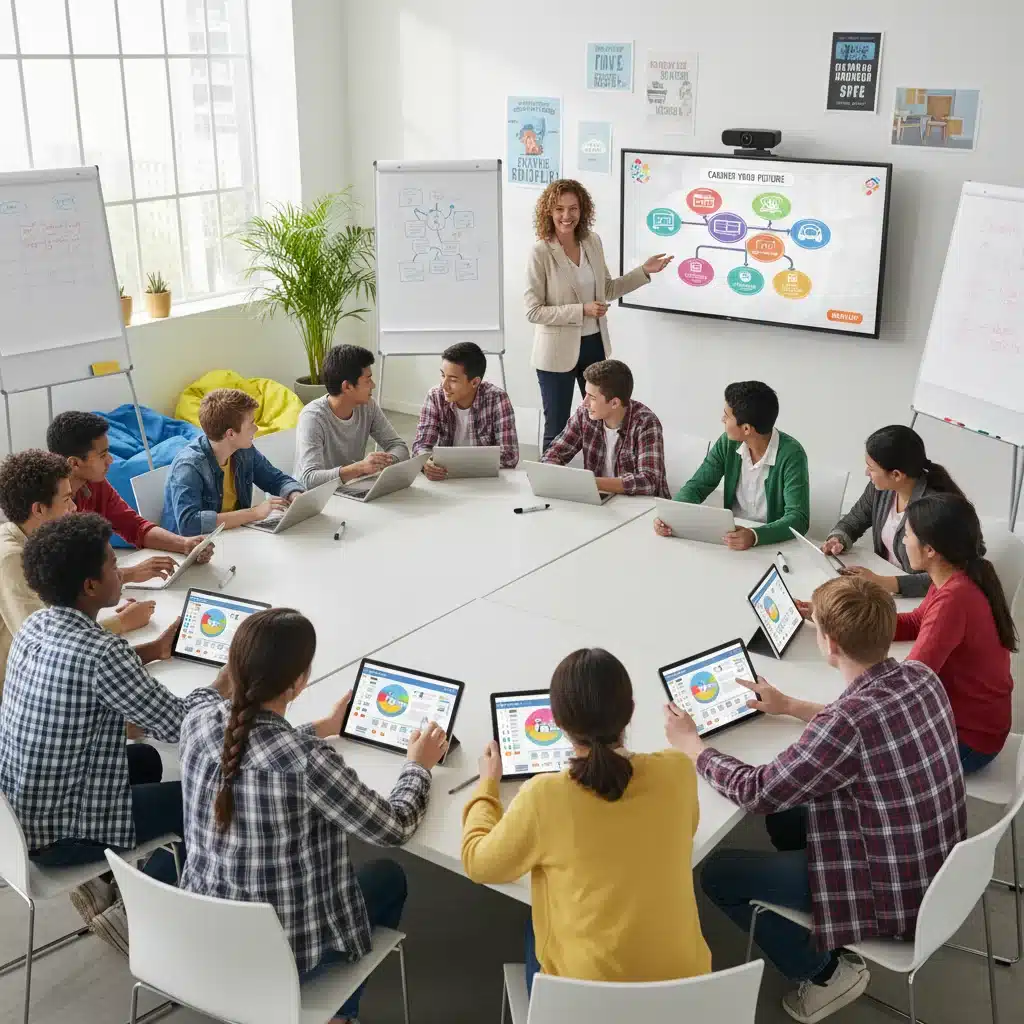
However, the integration of technology also brings new challenges, such as ensuring digital equity, protecting student privacy, and addressing cyberbullying. School counselors will play a crucial role in educating students about digital citizenship, responsible online behavior, and the potential risks of social media. They will also need to stay informed about the latest technological advancements and how to ethically and effectively incorporate them into their practice.
The school counselor evolution through technology is not about replacing human connection but about augmenting it. Technology serves as a powerful tool to streamline administrative tasks, personalize student support, and extend the impact of counseling services. Counselors will utilize online platforms for parent communication, scheduling appointments, and disseminating important information, creating a more interconnected and responsive support system for students and families.
The Collaborative Future of School Counseling
The evolving role of school counselors by 2026 is characterized by increased complexity, heightened responsibility, and an undeniable impact on the holistic development of students. These five key areas—mental health, career pathways, academic support, inclusive environments, and technological integration—are not isolated but deeply interconnected, forming a comprehensive framework for student well-being.
Crucially, the success of this school counselor evolution hinges on collaboration. Counselors will continue to work hand-in-hand with teachers, administrators, parents, community organizations, and external mental health providers. They serve as vital connectors, bridging the gap between students’ needs and the resources available to meet those needs. This collaborative approach ensures that students receive seamless, coordinated support, fostering an environment where every student has the opportunity to thrive academically, emotionally, and socially.
Investing in school counseling programs and supporting the professional development of counselors is not merely an expenditure; it is an investment in the future of our youth and, by extension, our society. As the demands on students continue to grow, the expertise and dedication of school counselors will be more essential than ever in preparing them to face the challenges and seize the opportunities of a rapidly changing world. The future of education, and the well-being of its students, is inextricably linked to the continued evolution and empowerment of the school counseling profession.
The journey of a student through their educational years is fraught with myriad challenges and opportunities. From navigating social pressures to making critical academic and career choices, the path can be daunting. This is precisely where the expanded role of school counselors becomes invaluable. They are the consistent, caring adults who can offer a steady hand, a listening ear, and expert guidance through these formative years. Their ability to adapt, innovate, and integrate new strategies into their practice is what defines the modern school counselor.
Looking ahead to 2026, the emphasis will continue to be on preventative rather than reactive strategies. School counselors will be proactive architects of student success, creating programs and interventions that address potential issues before they escalate. This preventative mindset is critical in fostering a school culture that prioritizes mental wellness, academic resilience, and future readiness for all students. The data-driven approach to identifying at-risk students, for instance, allows for early intervention, which is far more effective than addressing problems once they have become entrenched.
Furthermore, the advocacy role of school counselors cannot be overstated. They are often the strongest advocates for individual students, ensuring that their unique needs are met and that they have equitable access to all available resources. This advocacy extends to systemic change, as counselors work to influence school policies and practices to create a more just and supportive educational environment for everyone. Their voice in school leadership teams will become even more pronounced, contributing a critical student-centered perspective to decision-making processes.
The continuous professional development of school counselors is also key to sustaining this evolution. As new challenges emerge and best practices evolve, counselors must have access to ongoing training, workshops, and resources that keep them at the cutting edge of their field. This includes specialized training in emerging mental health concerns, new technologies, and evolving career pathways. Professional organizations will play a crucial role in providing these resources and fostering a community of practice where counselors can share insights and support each other.
In conclusion, the school counselor evolution by 2026 is a testament to the profession’s adaptability and its unwavering commitment to student well-being. From being critical mental health support providers to expert career guides, academic mentors, and champions of equity, their multifaceted contributions are indispensable. As schools strive to prepare students for a complex and ever-changing world, the role of the school counselor will remain at the heart of fostering resilient, well-adjusted, and successful individuals. Their impact resonates far beyond the classroom, shaping the future of our communities one student at a time.