Future-Proof Your Career: High-Demand Vocational Trades with 30% Growth
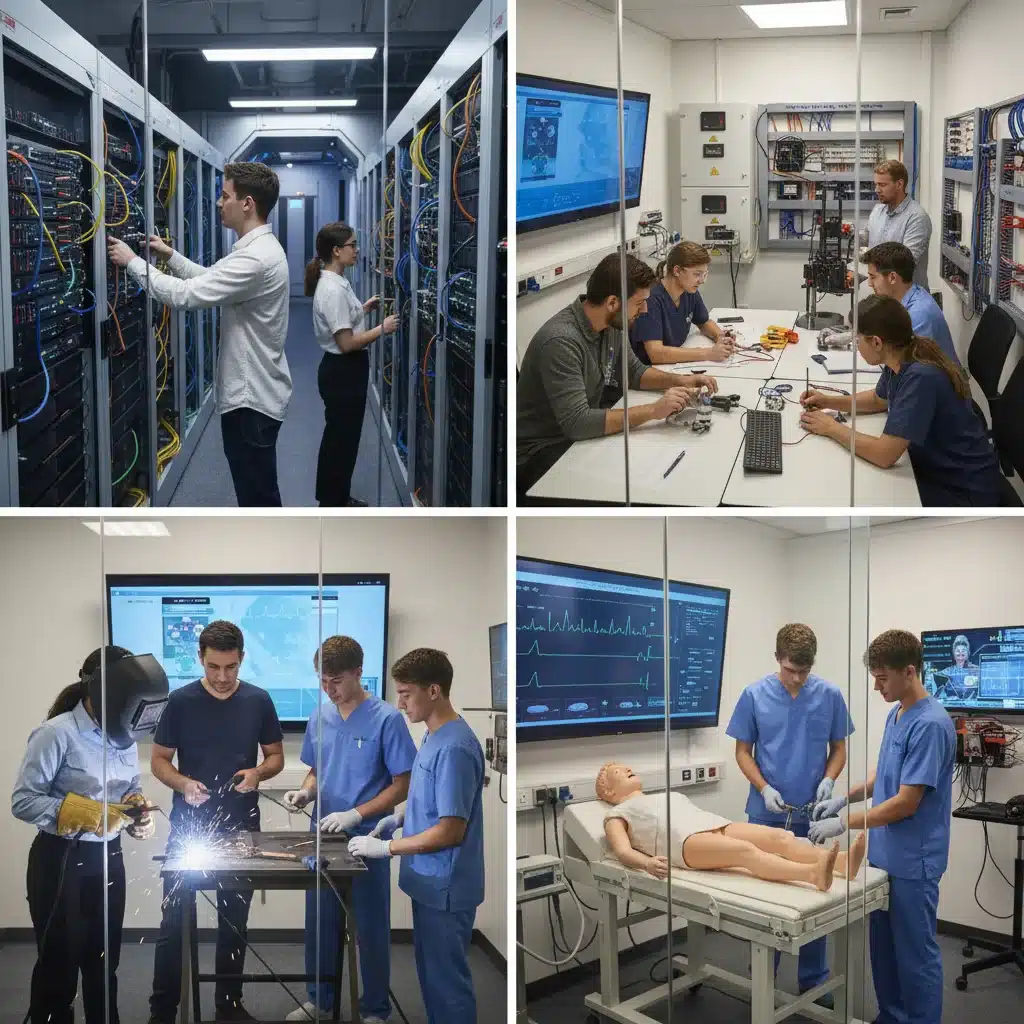
In an ever-evolving global economy, the landscape of work is constantly shifting. While many focus on traditional four-year degrees, a significant and often overlooked sector is booming: vocational trades. These hands-on professions are not only essential to our daily lives but are also experiencing unprecedented growth, offering stable, well-paying careers without the burden of extensive student loan debt. For those seeking a practical, future-proof career, exploring high-demand vocational trades is a strategic move.
The Bureau of Labor Statistics (BLS) projects substantial growth in many skilled trades over the next decade, with some areas seeing increases of 30% or more by 2026. This surge is driven by a combination of factors: an aging workforce leading to retirements, technological advancements creating new demands, and a persistent shortage of skilled professionals. This article delves into six such high-demand vocational trades that promise robust career opportunities and significant job security.
The Resurgence of Skilled Trades: Why Now?
For decades, there was a societal push towards university education as the primary path to success. However, this narrative is changing. The rising cost of college tuition, coupled with the increasing demand for practical skills, has put vocational training back in the spotlight. Vocational programs offer a direct route to employment, often taking less time to complete than a bachelor’s degree and providing graduates with immediately applicable skills.
The ‘skills gap’ is a critical issue in many industries. Employers are actively seeking individuals with specific technical abilities, and the supply often falls short of the demand. This creates a fertile ground for those who choose a vocational path, as they enter a job market where their skills are highly valued and their earning potential is strong from the outset. Furthermore, many vocational careers offer the satisfaction of tangible results, working with your hands, and contributing directly to community infrastructure and services.
1. Electricians: Powering Our Future
One of the most consistently high-demand vocational trades is that of an electrician. From residential wiring to complex industrial systems, electricians are fundamental to modern society. They install, maintain, and repair electrical power, communications, lighting, and control systems. The increasing reliance on technology, smart homes, electric vehicles, and renewable energy sources ensures a continuous and growing need for skilled electricians.
Job Outlook and Growth
The BLS projects employment of electricians to grow 7 percent from 2021 to 2031, about as fast as the average for all occupations. However, within specialized areas such as renewable energy or industrial automation, growth can be significantly higher. The median annual wage for electricians was $60,240 in May 2022, with top earners making over $99,800. This is a field where expertise directly translates to higher earning potential.
Training and Certification
Becoming an electrician typically involves completing an apprenticeship program, which combines on-the-job training with technical instruction. These programs can last 4 to 5 years. Alternatively, some individuals attend vocational schools or community colleges before seeking an apprenticeship. Licensing requirements vary by state but generally include passing an exam.
Why Choose This Path?
Electricians enjoy strong job security, competitive pay, and the opportunity to work in diverse environments, from new construction sites to established commercial buildings. The problem-solving nature of the job, combined with the continuous learning required to keep up with technological advancements, makes it a stimulating and rewarding career. As the world electrifies further, the demand for skilled electricians will only intensify, cementing its place as a top high-demand vocational trade.
2. HVAC Technicians: Keeping Us Comfortable
Heating, Ventilation, and Air Conditioning (HVAC) technicians are crucial for maintaining comfortable and healthy indoor environments. They install, maintain, and repair indoor environmental systems, including air conditioning, heating, and refrigeration units. With climate change leading to more extreme weather events and an increasing focus on energy efficiency, the demand for qualified HVAC technicians is soaring.
Job Outlook and Growth
The BLS projects employment of HVAC and refrigeration mechanics and installers to grow 5 percent from 2021 to 2031, about as fast as the average for all occupations. However, specific niches like smart HVAC systems and commercial refrigeration are seeing even faster expansion. The median annual wage for HVAC technicians was $54,690 in May 2022, with the highest 10 percent earning more than $84,000. This is a field with consistent demand regardless of economic fluctuations, making it a reliable high-demand vocational trade.
Training and Certification
Most HVAC technicians learn their trade through postsecondary programs at technical schools or community colleges, or through apprenticeships. These programs typically last 6 months to 2 years. Certification, such as EPA Section 608 certification for handling refrigerants, is often required. Continuing education is also vital to stay updated on new technologies and regulations.
Why Choose This Path?
HVAC technicians play a vital role in both residential and commercial sectors. The work is hands-on and requires a blend of mechanical aptitude, electrical knowledge, and diagnostic skills. With the increasing adoption of energy-efficient systems and smart home technologies, HVAC professionals are at the forefront of innovation in building comfort and sustainability. This makes it an appealing choice among high-demand vocational trades.
3. Plumbers, Pipefitters, and Steamfitters: Essential Infrastructure Keepers
These trades are indispensable for public health and safety, installing and repairing pipe systems that carry water, waste, gases, and other fluids. Plumbers work primarily in residential and commercial settings, while pipefitters and steamfitters specialize in industrial and power generation applications. The constant need for new construction, infrastructure maintenance, and system upgrades ensures a steady demand for these skilled professionals.
Job Outlook and Growth
The BLS projects employment of plumbers, pipefitters, and steamfitters to grow 2 percent from 2021 to 2031. While this might seem slower than other trades, the sheer volume of existing infrastructure and the continuous need for maintenance and new installations mean a consistently high number of job openings. The median annual wage for these professionals was $60,090 in May 2022, with the top 10 percent earning over $99,990. This stable demand solidifies its position as a crucial high-demand vocational trade.
Training and Certification
Most plumbers, pipefitters, and steamfitters learn their trade through a 4- to 5-year apprenticeship. These programs involve extensive on-the-job training and related technical instruction. Licensing is typically required at the state and local levels and often involves passing an exam after completing an apprenticeship.
Why Choose This Path?
These professionals provide essential services that are always in demand. The work can be physically demanding but offers excellent compensation and job security. There’s also significant potential for specialization in areas like medical gas piping, industrial systems, or green plumbing technologies, further enhancing career prospects. This foundational trade remains a cornerstone of high-demand vocational trades.

4. Wind Turbine Technicians: Harnessing Renewable Energy
As the world shifts towards sustainable energy sources, wind power is playing an increasingly significant role. Wind turbine technicians, also known as windtechs, are responsible for installing, inspecting, maintaining, and repairing wind turbines. This is a relatively new but rapidly expanding field, driven by global efforts to reduce carbon emissions and invest in renewable energy infrastructure.
Job Outlook and Growth
This is arguably one of the fastest-growing occupations. The BLS projects employment of wind turbine technicians to grow 44 percent from 2021 to 2031, much faster than the average for all occupations. This translates to thousands of new jobs being created. The median annual wage for wind turbine technicians was $57,320 in May 2022, with the highest 10 percent earning more than $79,850. This exceptional growth rate makes it a standout among high-demand vocational trades.
Training and Certification
Most wind turbine technicians complete a postsecondary certificate or associate’s degree program in wind energy technology. These programs typically take 1 to 2 years. Safety training, especially for working at heights, is paramount. Some technicians also gain experience through military service or apprenticeships.
Why Choose This Path?
For those passionate about renewable energy and comfortable with heights, this career offers a unique opportunity to be at the forefront of a critical industry. The work involves a blend of mechanical, electrical, and hydraulic skills. As investment in wind energy continues to surge globally, wind turbine technicians will find themselves in high demand, securing their place among the most promising high-demand vocational trades for the future.
5. Medical Assistants: The Backbone of Healthcare
In the healthcare sector, medical assistants perform a blend of administrative and clinical tasks in physicians’ offices, hospitals, and other healthcare facilities. They are often the first point of contact for patients, handling everything from scheduling appointments and updating patient records to taking vital signs, assisting with examinations, and administering medications. The aging population and increasing demand for healthcare services are fueling significant growth in this profession.
Job Outlook and Growth
The BLS projects employment of medical assistants to grow 16 percent from 2021 to 2031, much faster than the average for all occupations. This growth rate reflects the expanding healthcare industry and the need for efficient support staff. The median annual wage for medical assistants was $37,190 in May 2022, with the highest 10 percent earning more than $51,620. While the pay might be lower than some other trades, the entry barrier is often lower, and the job security is very high, making it a valuable high-demand vocational trade in healthcare.
Training and Certification
Most medical assistants complete postsecondary education programs, which can range from certificates to associate’s degrees and typically last 1 to 2 years. While not always required, certification (e.g., Certified Medical Assistant – CMA) can significantly improve job prospects and earning potential. Practical experience through externships is also a common component of training.
Why Choose This Path?
Medical assistants play a crucial role in patient care, offering a rewarding career for those who enjoy helping others and working in a dynamic environment. It’s an excellent entry point into the healthcare field, with opportunities for advancement into other medical professions with further education. The consistent demand for healthcare services ensures job stability, making it a reliable choice among high-demand vocational trades.

6. Web Developers: Building the Digital World
While often associated with four-year computer science degrees, web development is increasingly accessible through vocational training and coding bootcamps. Web developers design, create, and maintain websites. This includes everything from the visual layout and user experience (front-end) to the server-side logic and database management (back-end). In today’s digital-first world, nearly every business and organization requires an online presence, driving immense demand for skilled web developers.
Job Outlook and Growth
The BLS projects employment of web developers and digital designers to grow 23 percent from 2021 to 2031, much faster than the average for all occupations. This translates to thousands of new job openings annually. The median annual wage for web developers was $80,730 in May 2022, with the highest 10 percent earning over $139,630. This high earning potential and rapid growth make it a highly attractive high-demand vocational trade.
Training and Certification
While some web developers hold bachelor’s degrees, many successfully enter the field through vocational schools, coding bootcamps (often 3-6 months intensive), or self-study combined with a strong portfolio. Key skills include proficiency in programming languages like HTML, CSS, JavaScript, and various frameworks. Continuous learning is essential due to the rapid evolution of web technologies.
Why Choose This Path?
Web development offers creative freedom, high earning potential, and the flexibility to work remotely or as a freelancer. It’s a field that rewards problem-solvers and those who enjoy continuous learning. The digital transformation across all industries guarantees a persistent need for web developers, solidifying its status as a top high-demand vocational trade for the foreseeable future.
Preparing for a Career in High-Demand Vocational Trades
Embarking on a career in a high-demand vocational trade requires careful planning and dedication. Here are key steps to consider:
-
Research and Self-Assessment:
Identify trades that align with your interests, aptitudes, and physical capabilities. Consider what kind of work environment you prefer (e.g., indoors/outdoors, team-based/independent).
-
Explore Training Options:
Look into local vocational schools, community colleges, apprenticeship programs, and reputable online courses or bootcamps. Compare curriculum, costs, and job placement rates.
-
Seek Certifications and Licenses:
Many trades require specific certifications or licenses. Ensure your chosen program prepares you for these essential credentials.
-
Gain Practical Experience:
Apprenticeships, internships, and entry-level positions are invaluable for gaining hands-on experience and making industry connections.
-
Network:
Connect with professionals already working in your desired trade. They can offer insights, advice, and potential job leads.
-
Embrace Lifelong Learning:
Technology and industry standards are always evolving. Commit to continuous learning to stay competitive and advance your career.
The Economic Impact of Vocational Trades
The growth of high-demand vocational trades has a profound economic impact. It strengthens local economies by providing skilled labor for essential services and infrastructure projects. It also offers individuals a pathway to middle-class wages and financial stability without incurring the often-crippling debt associated with traditional university degrees. This creates a more diverse and resilient workforce, capable of adapting to future economic challenges and technological shifts.
Furthermore, vocational trades are often less susceptible to automation than some white-collar jobs. The hands-on nature, critical thinking, and problem-solving skills required in these professions make them inherently resistant to being fully replaced by machines. While technology certainly augments these roles, the human element remains irreplaceable.
Addressing Misconceptions About Vocational Careers
Despite the clear benefits, some misconceptions about vocational careers persist. It’s important to dispel these myths:
-
Myth: Vocational jobs are ‘dirty’ or ‘unskilled’.
Reality: Modern trades require high levels of technical skill, precision, and problem-solving abilities. Many environments are clean and technologically advanced. The term ‘unskilled’ is a misnomer; these are highly skilled professions.
-
Myth: Vocational careers offer limited growth potential.
Reality: Many trades offer clear pathways for advancement, from journeyman to master, supervisor, project manager, or even business owner. Specialization can also lead to higher earning potential.
-
Myth: Vocational training is for those who can’t get into college.
Reality: Vocational training is a deliberate choice for individuals seeking practical skills, faster entry into the workforce, and often, better financial outcomes than many four-year degrees. It’s a smart economic decision.
Conclusion: A Bright Future in Skilled Trades
The future of work is bright for those pursuing high-demand vocational trades. With projections of 30% or more job growth in many areas by 2026, these careers offer stability, competitive wages, and the satisfaction of performing essential work. From powering our homes and businesses as electricians, to ensuring our comfort as HVAC technicians, maintaining vital infrastructure as plumbers, harnessing renewable energy as wind turbine technicians, supporting healthcare as medical assistants, or building our digital world as web developers, the opportunities are vast and varied.
If you’re considering a career change or just starting your professional journey, look beyond the traditional paths. Explore the world of skilled trades. Invest in vocational training, gain practical experience, and secure your place in industries that are not just growing, but are foundational to our modern society. The demand is here, the training is accessible, and the rewards are substantial. Your future in a high-demand vocational trade awaits.