
In an increasingly competitive academic landscape, high school students are constantly seeking innovative ways to gain an edge. One of the most impactful strategies gaining widespread recognition is participating in dual enrollment credit programs. These initiatives allow high school students to earn college credit while still attending high school, effectively accelerating their academic journey and providing a significant head start on their higher education.
Imagine graduating high school with not just a diploma, but also a substantial portion, or even a full year, of college credit already under your belt. This is not a distant dream but a tangible reality for many students across the nation. By strategically engaging with dual enrollment credit opportunities, high schoolers can significantly reduce the time and cost associated with a traditional four-year degree, setting themselves up for success in myriad ways. This comprehensive guide will delve into the intricacies of dual enrollment, outlining how high school students can realistically aim to achieve one full year of college credit by the year 2026.
The benefits extend far beyond just saving time and money. Students who participate in dual enrollment credit programs often experience a smoother transition to college, develop stronger study habits, and gain a clearer understanding of college-level expectations. It’s an invaluable experience that can shape their academic trajectory and future career paths. As we approach 2026, the accessibility and popularity of these programs are only expected to grow, making it an opportune time for students and families to explore these pathways.
Understanding Dual Enrollment Credit: The Basics
Before diving into strategies, it’s crucial to understand what dual enrollment credit entails. Dual enrollment, sometimes referred to as concurrent enrollment, allows high school students to take college-level courses and receive both high school and college credit simultaneously. These courses can be offered in various formats: on a college campus, at the high school, online, or through a hybrid model.
The core idea behind dual enrollment credit is to bridge the gap between high school and college, providing an academic challenge and exposure to higher education earlier than usual. This can be particularly beneficial for motivated students who are ready for more rigorous coursework than what their high school curriculum might offer. The credits earned are typically transferable to many colleges and universities, though it’s always essential to verify transfer policies with specific institutions.
Types of Dual Enrollment Programs
- On-Campus College Courses: Students attend classes directly at a local community college or university. This offers an authentic college experience and access to campus resources.
- High School-Based College Courses: Colleges partner with high schools to offer college-level courses taught by qualified high school teachers or adjunct college professors on the high school campus.
- Online Dual Enrollment: Many institutions offer online courses, providing flexibility for students with busy schedules or those in rural areas without easy access to a college campus.
- Early College High Schools: These are specialized high schools designed specifically to integrate high school and college curricula, allowing students to earn an associate’s degree or significant college credit by the time they graduate high school.
Each type offers unique advantages, and the best fit often depends on the student’s learning style, schedule, and academic goals. Regardless of the format, the goal remains the same: to earn valuable dual enrollment credit that can be applied towards a future college degree.
The Road to One Year of College Credit by 2026
Achieving a full year of college credit – typically 30 credit hours – by the time you graduate high school in 2026 is an ambitious yet entirely attainable goal. This requires careful planning, consistent effort, and a proactive approach. Let’s break down how this can be accomplished.
Starting Early: The Key to Accumulating Dual Enrollment Credit
The sooner a student begins accumulating dual enrollment credit, the more feasible it becomes to reach the 30-credit mark. Many programs allow students to start as early as their sophomore or even freshman year, though junior and senior years are the most common entry points. If a student starts in their sophomore year, they have three academic years to earn these credits. For example, taking 10 credits per year (typically 3-4 courses) would lead to 30 credits by graduation.
Strategic Course Selection for Maximum Impact
Not all college credits are created equal, especially when considering transferability. To maximize the impact of your dual enrollment credit, focus on general education requirements. These are foundational courses (e.g., English composition, introductory math, science, history, psychology) that are almost universally required for any bachelor’s degree. By completing these in high school, students can enter college with many of their core requirements already fulfilled.
- Research Transfer Agreements: Before enrolling, investigate which colleges and universities you are interested in attending and check their dual enrollment transfer policies. Many community colleges have articulation agreements with four-year institutions, making credit transfer seamless.
- Consult Academic Advisors: Work closely with both your high school counselor and a college academic advisor. They can help you select courses that align with your future major and ensure maximum transferability.
- Consider AP/IB in Conjunction: While distinct from dual enrollment, Advanced Placement (AP) and International Baccalaureate (IB) programs can complement your credit accumulation. A strong score on an AP or IB exam can also grant college credit, further contributing to your goal of one year’s worth of credit. However, dual enrollment credit is often viewed more favorably by colleges as it directly reflects successful completion of a college course.

A well-planned academic schedule that integrates dual enrollment credit with regular high school courses is paramount. This might mean taking one or two college courses per semester, or a heavier load during summer sessions if available and manageable.
Benefits of Earning Dual Enrollment Credit by 2026
The advantages of pursuing dual enrollment credit are multifaceted and can profoundly impact a student’s educational journey and future prospects.
Financial Savings: A Significant Advantage
One of the most compelling reasons to pursue dual enrollment credit is the substantial financial savings. College tuition costs are a significant burden for many families. By completing a year’s worth of college credits while still in high school, students can potentially save tens of thousands of dollars. Many dual enrollment programs offer reduced tuition rates, or in some cases, are entirely free for high school students, funded by the school district or state. This financial relief can make higher education more accessible and reduce the need for student loans.
Academic Preparedness and Confidence
Exposure to college-level coursework provides invaluable preparation. Students learn to navigate college expectations, manage a heavier workload, and adapt to different teaching styles. This experience builds confidence and reduces the culture shock often associated with the transition from high school to college. When they officially matriculate, they’ll already be familiar with the academic rigor and independent learning required, giving them a distinct advantage over peers who haven’t experienced dual enrollment credit.
Early Graduation or Double Major Opportunities
With a significant number of credits already earned, students have more flexibility in their college careers. They might choose to graduate early, saving even more on tuition and entering the workforce sooner. Alternatively, they could use the extra time to pursue a double major, a minor, study abroad, or engage in internships and research opportunities that enhance their resume and broaden their academic horizons. The options become much wider when a student has a strong foundation of dual enrollment credit.
Exploring Career Paths
Dual enrollment credit allows students to explore potential majors and career paths without the full financial commitment of college tuition. Taking an introductory course in a field of interest can help confirm or redirect a student’s academic focus, preventing costly changes of major later on. This early exploration is crucial for making informed decisions about their future.
Challenges and How to Overcome Them
While the benefits are clear, pursuing a full year of dual enrollment credit is not without its challenges. Recognizing and preparing for these hurdles can ensure a smoother and more successful experience.
Increased Workload and Time Management
College courses are typically more demanding than high school classes. Students will need to dedicate more time to studying, reading, and completing assignments. Balancing these college courses with high school responsibilities, extracurricular activities, and a social life requires excellent time management skills. Students must be mature enough to handle this increased academic rigor.
- Strategy: Develop a strict study schedule. Utilize planners and digital calendars. Prioritize tasks and learn to say no to commitments that might overextend you. Communicate openly with your parents, teachers, and college instructors about your workload.
Academic Rigor and Difficulty
College courses are designed for a more mature and independent learner. The pace can be faster, and the expectations for critical thinking and independent research are higher. Students might encounter subjects that are more challenging than what they’ve experienced in high school.
- Strategy: Don’t be afraid to ask for help. Utilize college resources like tutoring centers, writing labs, and professor office hours. Form study groups with peers. Choose courses where you have a genuine interest, as this can increase motivation.
Transferability Concerns
As mentioned, not all dual enrollment credit is guaranteed to transfer to every institution. This is a common concern that can lead to frustration if not addressed proactively.
- Strategy: Thoroughly research the transfer policies of your target colleges and universities *before* enrolling in dual enrollment courses. Obtain written confirmation of credit transferability if possible. Focus on general education courses, as they tend to be the most universally accepted. Work with both high school and college advisors.
Social and Emotional Adjustment
Being a high school student in a college classroom can sometimes feel isolating. College students are typically older and at a different life stage. Additionally, missing out on some traditional high school experiences due to a demanding academic schedule can be a challenge for some.
- Strategy: Find a balance. Engage in high school activities that are important to you. Seek out other dual enrollment students for support. Remember that the long-term benefits of dual enrollment credit often outweigh these temporary social adjustments.
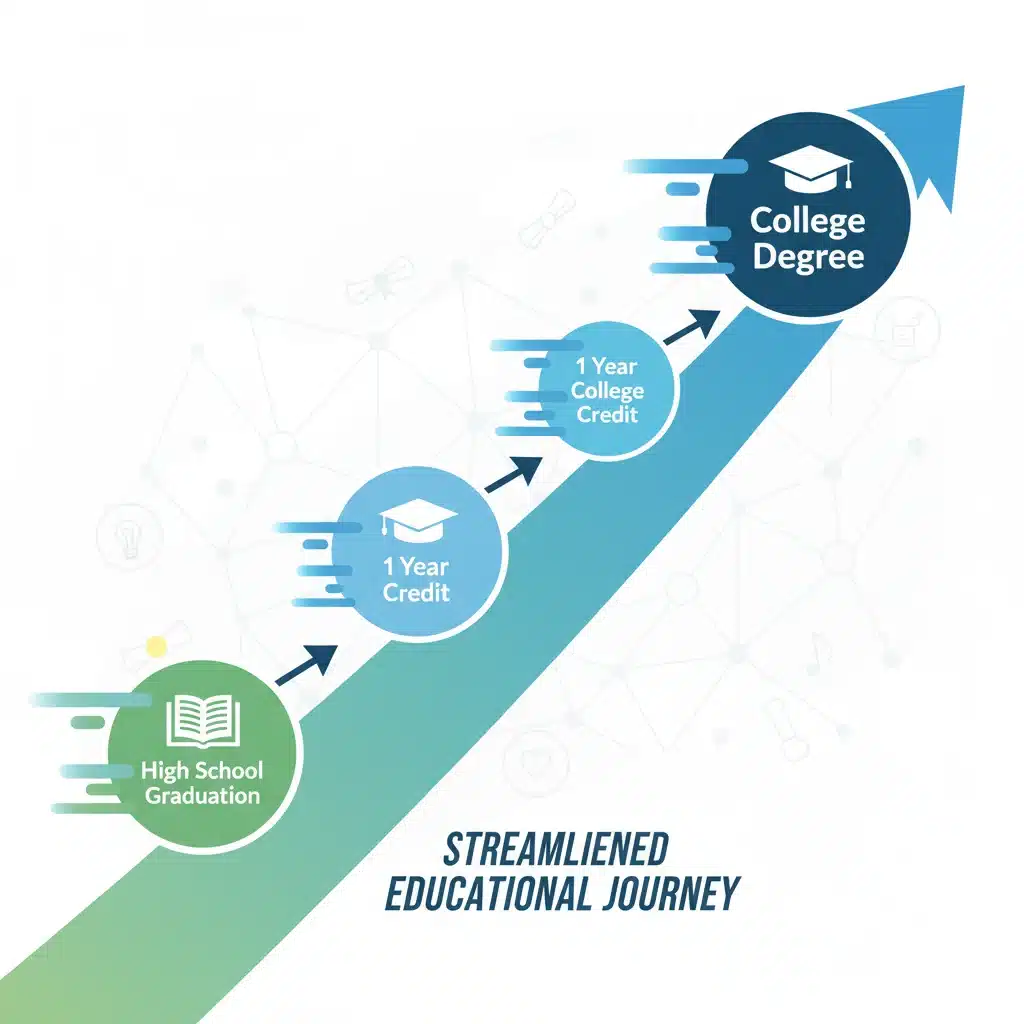
Planning Your Dual Enrollment Path to 2026
To successfully earn one year of dual enrollment credit by 2026, a meticulous plan is essential. Here’s a step-by-step approach:
Step 1: Early Assessment and Goal Setting
When to start: Freshman or Sophomore year of high school.
- Self-Assessment: Honestly evaluate your academic readiness, maturity, and time management skills. Are you prepared for college-level work?
- Research Programs: Identify local community colleges or universities that offer dual enrollment programs. Understand their eligibility requirements, application processes, and course offerings.
- Set a Credit Goal: Aim for 30 credits. Break this down: e.g., 10 credits per year for three years (sophomore, junior, senior).
Step 2: Consult with Key Stakeholders
Ongoing throughout high school.
- High School Counselor: Your counselor is your primary resource. They can help you understand your school’s policies, recommend suitable courses, and assist with the application process.
- Parents/Guardians: Discuss your goals and the commitment required. Their support will be crucial for transportation, finances, and overall encouragement.
- College Advisors: Once you identify potential dual enrollment institutions, connect with their advisors. They can provide insights into course selection for transferability and academic planning.
Step 3: Strategic Course Selection
Prior to each enrollment period.
- Prioritize General Education: Focus on courses that fulfill general education requirements (e.g., English Composition I & II, College Algebra, Introduction to Psychology, American History, Biology with Lab). These are typically the most transferable.
- Align with Interests/Major: If you have a clear idea of your future major, consider introductory courses in that field (e.g., Introduction to Computer Science, Principles of Economics).
- Check Prerequisite: Ensure you meet any prerequisites for college courses.
Step 4: Application and Enrollment
Follow deadlines for each semester/term.
- Complete Applications: Submit all required application forms for the dual enrollment program. This often includes transcripts, recommendation letters, and placement tests.
- Register for Courses: Once accepted, register for your chosen courses, ensuring they fit with your high school schedule.
- Understand Costs: Be clear about tuition, fees, and textbook costs. Inquire about financial aid or scholarships specifically for dual enrollment students.
Step 5: Excel in Your Courses
During each academic term.
- Active Participation: Engage in class discussions, ask questions, and utilize professor office hours.
- Effective Study Habits: Dedicate sufficient time to studying and completing assignments. Manage your time wisely to balance all academic and personal commitments.
- Utilize Resources: Take advantage of college tutoring, writing centers, and library resources.
Step 6: Monitor Progress and Transferability
Annually or Bi-annually.
- Track Credits: Keep a record of all dual enrollment credit earned.
- Re-verify Transfer Policies: As you narrow down your college choices, reconfirm the transferability of your credits with each prospective institution. Policies can sometimes change.
- Request Transcripts: Ensure official college transcripts are sent to your chosen university when you apply for full admission.
By following this structured approach, high school students can systematically work towards their goal of completing one full year of college credit through dual enrollment by 2026, positioning themselves for an incredibly strong start to their higher education.
The Future of Dual Enrollment: Beyond 2026
The landscape of education is constantly evolving, and dual enrollment credit programs are at the forefront of this change. As we look beyond 2026, several trends are likely to shape the future of these programs:
- Increased Accessibility: Expect more high schools and colleges to partner, expanding the availability of dual enrollment courses, especially in underserved communities and rural areas. Online options will continue to play a crucial role in this expansion.
- Standardization of Transfer Credits: There’s a growing push for greater standardization and clearer articulation agreements between institutions, which would simplify the transfer process for students earning dual enrollment credit.
- Focus on Career Pathways: More programs may emerge that specifically align dual enrollment courses with high-demand career fields, such as healthcare, technology, and skilled trades, providing students with both college credit and valuable vocational skills.
- Enhanced Advising and Support: As programs grow, so will the need for dedicated advisors who can guide students through course selection, college applications, and transfer concerns, ensuring a smoother experience.
- Integration with K-12 Curriculum: Some states and districts are exploring deeper integration of college-level content into the high school curriculum itself, making the transition to earning dual enrollment credit even more seamless.
These developments suggest that dual enrollment will become an even more integral part of the high school experience, offering more students the chance to accelerate their education and gain a competitive edge. For the ambitious student aiming for one year of college credit by 2026, these trends only strengthen the viability and value of their efforts.
Conclusion: Your Head Start to Higher Education
Earning a full year of dual enrollment credit by the time you graduate high school in 2026 is an ambitious yet highly rewarding endeavor. It’s a strategic move that can save significant time and money, foster academic readiness, and provide invaluable experience for college life. While challenges such as increased workload and transferability concerns exist, proactive planning, effective time management, and strong communication with advisors can help overcome these hurdles.
The journey begins with an early assessment of readiness, thorough research of available programs, and a clear understanding of your academic goals. By strategically selecting general education courses, diligently managing your studies, and continuously verifying credit transfer policies, you can build a robust foundation for your future. As dual enrollment programs continue to evolve and expand, the opportunities for high school students to gain a substantial head start in higher education will only grow.
Embrace the opportunity to transform your high school experience into a powerful springboard for your college career. With careful planning and dedication, you can confidently walk across that high school graduation stage in 2026, not just with a diploma, but with a full year of college credit, ready to embark on the next exciting chapter of your academic journey.