Early Childhood Education Trends: Benefits for Children Born 2023-2024
Anúncios
Early Childhood Education in the US: 4 Emerging Trends and Their Benefits for Children Born in 2023-2024
The landscape of early childhood education (ECE) in the United States is continuously evolving, driven by new research in child development, technological advancements, and a deeper understanding of what truly prepares young minds for a successful future. For parents of children born in 2023 and 2024, understanding these emerging Early Childhood Trends is paramount. These trends are not just fads; they represent significant shifts in pedagogical approaches designed to foster holistic development, enhance cognitive abilities, and build crucial social-emotional skills from the earliest years. As we delve into these transformative trends, it becomes clear that the focus is shifting from rote memorization to experiential learning, personalized pathways, and a strong emphasis on well-being.
Anúncios
The foundational years, from birth to age eight, are critical for brain development, shaping a child’s capacity to learn, relate to others, and regulate emotions. Therefore, the quality and nature of early childhood education directly impact a child’s long-term academic success, social competence, and overall happiness. Staying informed about the latest Early Childhood Trends empowers parents and educators to make informed decisions that will benefit the youngest generation. Let’s explore four prominent trends currently shaping ECE in the US and the profound advantages they offer to children born in 2023-2024.
1. Personalized Learning Pathways: Tailoring Education to Each Child
One of the most significant Early Childhood Trends gaining traction is the move towards personalized learning pathways. Historically, early childhood classrooms often adopted a ‘one-size-fits-all’ approach. However, research consistently shows that children develop at different rates and possess unique learning styles, interests, and strengths. Personalized learning recognizes this diversity, aiming to tailor educational experiences to meet the individual needs of each child.
Anúncios
What is Personalized Learning?
Personalized learning in early childhood involves educators observing children closely, assessing their developmental stage, interests, and preferred learning modalities, and then designing activities and environments that are responsive to these individual profiles. This can manifest in various ways:
- Differentiated Instruction: Providing multiple ways for children to learn content, process information, and demonstrate understanding. For example, some children might learn best through hands-on manipulation, while others thrive with visual aids or auditory instructions.
- Interest-Based Learning: Incorporating topics and activities that genuinely capture a child’s curiosity. If a child is fascinated by dinosaurs, an educator might integrate dinosaur-themed books, art projects, and scientific exploration into the curriculum.
- Flexible Grouping: Allowing children to work in small groups or individually based on their current skills and the learning objective, rather than always keeping them in whole-class settings.
- Technology Integration: Utilizing educational apps, interactive whiteboards, and digital tools that adapt to a child’s pace and provide immediate feedback, offering customized challenges and support.
Benefits for Children Born in 2023-2024:
For children entering early childhood education in the coming years, personalized learning offers a wealth of benefits:
- Enhanced Engagement and Motivation: When learning is tailored to a child’s interests and abilities, they are more likely to be engaged, motivated, and excited about school. This intrinsic motivation is a powerful predictor of lifelong learning.
- Optimized Skill Development: Children can progress at their optimal pace, spending more time on areas where they need support and accelerating in areas where they excel. This prevents frustration from being left behind and boredom from being held back.
- Increased Self-Confidence: Experiencing success in learning, even through small, individualized achievements, builds a child’s self-esteem and belief in their own capabilities.
- Development of Self-Regulation and Agency: Children learn to make choices about their learning, fostering independence and self-regulation – crucial skills for future academic and life success. They become active participants in their education rather than passive recipients.
- Early Identification of Needs: Personalized approaches allow educators to more quickly identify learning challenges or special needs, enabling early intervention and support.
By embracing personalized learning, early childhood programs are setting the stage for a generation of learners who are confident, curious, and well-equipped to navigate a complex world.
2. Social-Emotional Learning (SEL) at the Forefront
Another critical development among the current Early Childhood Trends is the heightened emphasis on Social-Emotional Learning (SEL). While academic skills like literacy and numeracy have always been central, there’s a growing recognition that emotional intelligence, self-regulation, empathy, and social skills are equally, if not more, important for a child’s overall success and well-being.
What is Social-Emotional Learning (SEL)?
SEL is the process through which children and adults acquire and effectively apply the knowledge, attitudes, and skills necessary to understand and manage emotions, set and achieve positive goals, feel and show empathy for others, establish and maintain positive relationships, and make responsible decisions. In early childhood, SEL is integrated into daily routines and activities, rather than being taught as a separate subject. Key components include:
- Self-Awareness: Recognizing one’s own emotions, thoughts, and values.
- Self-Management: Regulating one’s emotions, thoughts, and behaviors effectively in different situations.
- Social Awareness: Taking the perspective of and empathizing with others, including those from diverse backgrounds and cultures.
- Relationship Skills: Establishing and maintaining healthy and supportive relationships and navigating diverse settings effectively.
- Responsible Decision-Making: Making constructive choices about personal behavior and social interactions based on ethical standards, safety concerns, and societal norms.
Benefits for Children Born in 2023-2024:
Integrating SEL into early childhood education provides profound and lasting advantages:
- Improved Mental Health and Resilience: Children learn healthy ways to express and cope with emotions, reducing anxiety and building resilience in the face of challenges.
- Stronger Relationships: Developing empathy and relationship skills helps children form positive connections with peers and adults, reducing conflicts and fostering a sense of belonging.
- Enhanced Academic Performance: Studies show a strong correlation between SEL skills and academic achievement. Children who can manage their emotions and focus are better learners.
- Better Behavior: When children understand and can regulate their emotions, they are less likely to exhibit disruptive behaviors, leading to a more positive classroom environment.
- Foundation for Lifelong Success: SEL skills are not just beneficial for school; they are critical for success in careers, personal relationships, and overall life satisfaction.
As the world becomes increasingly complex, equipping children with strong SEL foundations from an early age is more vital than ever, making it a cornerstone of modern early childhood education.
3. Technology Integration as an Educational Tool
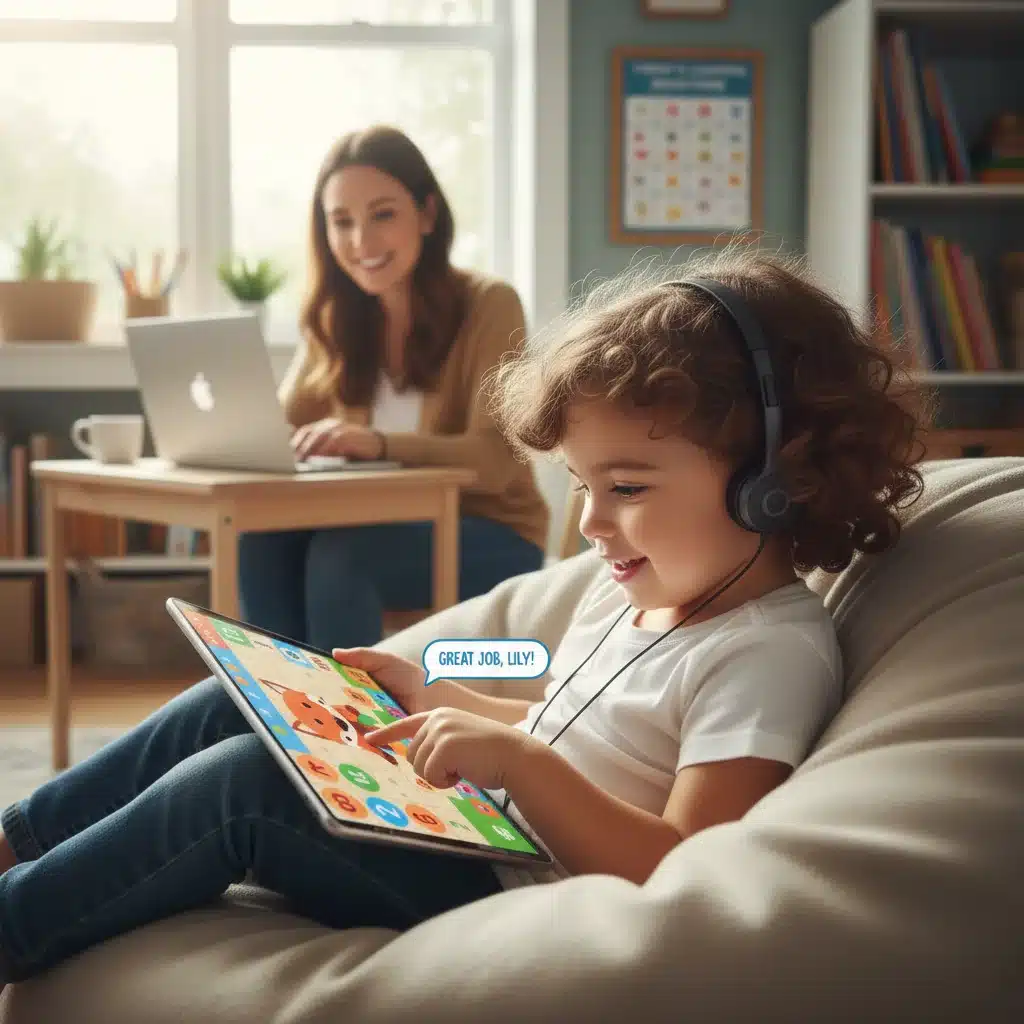
The role of technology in early childhood education is another rapidly evolving area among the dominant Early Childhood Trends. Far from merely being a distraction, technology, when used thoughtfully and purposefully, can be a powerful tool to enhance learning experiences, provide personalized instruction, and connect children to a wider world.
How is Technology Integrated in ECE?
Responsible technology integration in early childhood involves more than just handing a child a tablet. It includes:
- Interactive Learning Platforms: Educational apps and software designed specifically for young children that offer engaging, age-appropriate content across various subjects, often adapting to the child’s learning pace.
- Digital Storytelling and Creation: Using technology to create stories, animations, or digital art, fostering creativity, literacy skills, and self-expression.
- Virtual Field Trips: Exploring museums, zoos, or natural wonders virtually, broadening children’s horizons beyond the classroom walls.
- Coding and Robotics for Young Learners: Introducing foundational computational thinking skills through playful, hands-on activities with child-friendly coding apps or simple robots.
- Parent-Teacher Communication Tools: Platforms that facilitate seamless communication between educators and families, sharing updates, photos, and learning resources.
It’s crucial to emphasize that technology is used as a supplement to hands-on, play-based learning, not a replacement. Screen time is typically limited, supervised, and integrated into broader educational goals.
Benefits for Children Born in 2023-2024:
For the ‘digital native’ generation, responsible technology integration offers distinct advantages:
- Enhanced Cognitive Skills: Interactive apps can improve problem-solving abilities, logical thinking, memory, and attention span.
- Preparation for a Digital World: Early exposure to technology in an educational context helps children develop digital literacy and comfort with tools they will undoubtedly use throughout their lives.
- Personalized Learning Experiences: As mentioned earlier, technology can adapt to individual learning styles and paces, providing customized challenges and feedback.
- Access to Diverse Resources: Technology opens up a world of information, diverse perspectives, and cultural experiences that might otherwise be inaccessible.
- Fostering Creativity and Innovation: Digital tools provide new mediums for artistic expression, storytelling, and imaginative play.
By thoughtfully integrating technology, early childhood educators are not just teaching children how to use devices, but how to use them as tools for learning, creativity, and connection, preparing them for a future where digital fluency is a necessity.
4. Nature-Based and Outdoor Learning
Counterbalancing the digital trend, another powerful movement among current Early Childhood Trends is the resurgence of nature-based and outdoor learning. Recognizing the critical importance of connecting children with the natural world, many ECE programs are prioritizing outdoor time, environmental education, and even entirely nature-focused curricula.
What is Nature-Based Learning?
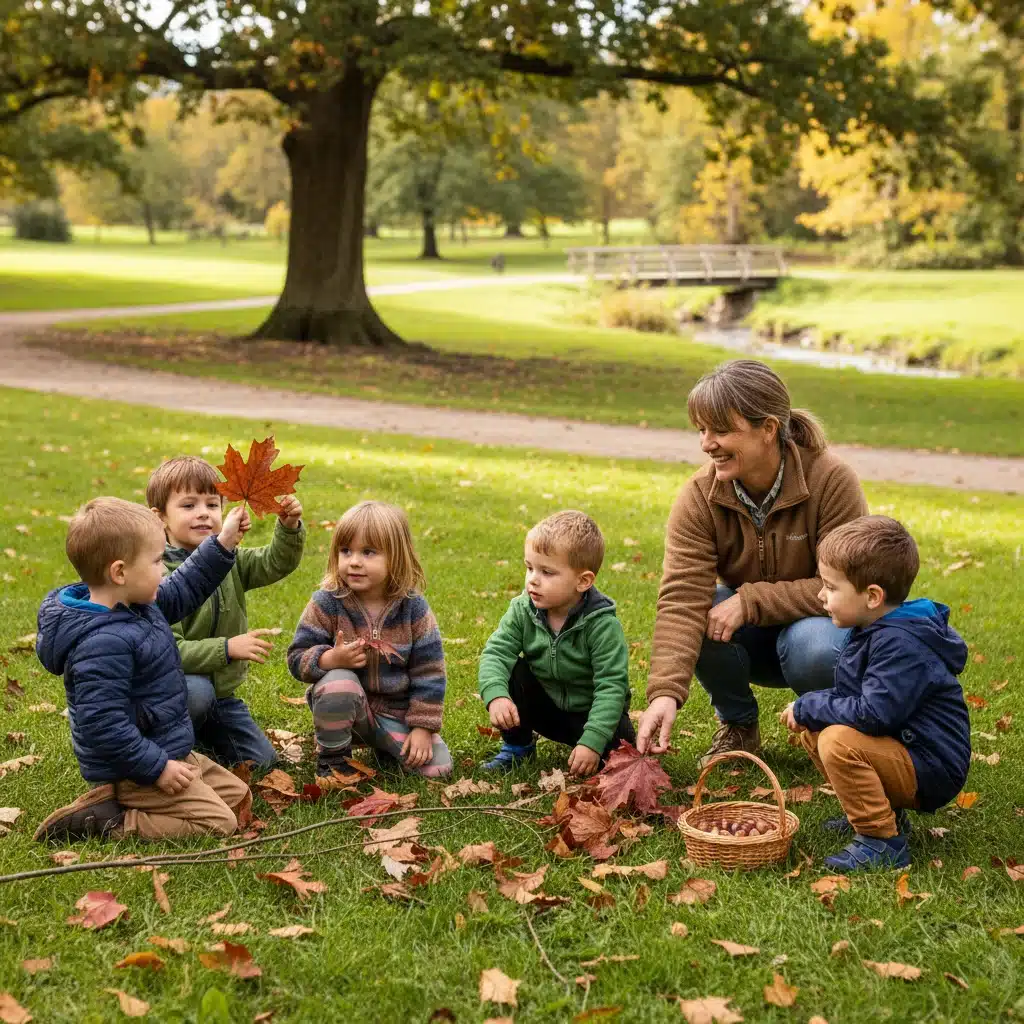
Nature-based learning involves children spending significant time outdoors, engaging with natural environments as a primary context for learning. This can range from daily outdoor play and exploration in a schoolyard garden to dedicated ‘forest schools’ where the majority of the day is spent in natural settings like woods or parks. Key aspects include:
- Unstructured Outdoor Play: Allowing children ample time for free exploration, climbing, digging, building, and imaginative play in natural settings.
- Environmental Education: Teaching children about ecosystems, plants, animals, and conservation through direct experience and observation.
- Using Natural Materials: Incorporating sticks, stones, leaves, water, and mud into learning activities and art projects.
- Gardening and Farming: Engaging children in planting, tending, and harvesting, teaching them about food sources and life cycles.
- Risk-Taking and Problem-Solving: Providing opportunities for children to assess and manage risks in a natural environment, fostering resilience and critical thinking.
Benefits for Children Born in 2023-2024:
The benefits of nature-based learning are extensive and address many common challenges faced by modern children:
- Improved Physical Health: Increased physical activity, fresh air, and exposure to natural light contribute to better cardiovascular health, stronger immune systems, and improved sleep patterns.
- Enhanced Cognitive Development: Outdoor environments offer rich sensory experiences that stimulate curiosity, observation skills, and problem-solving. Children learn concepts like measurement, balance, and physics through direct interaction.
- Reduced Stress and Improved Mental Well-being: Spending time in nature has been shown to reduce stress, improve mood, and decrease symptoms of ADHD. The calming effect of natural environments supports emotional regulation.
- Boosted Creativity and Imagination: Unstructured outdoor play encourages imaginative scenarios, creative problem-solving, and the use of natural loose parts for construction and invention.
- Stronger Social Skills: Collaborative play in outdoor settings fosters cooperation, negotiation, and communication as children work together to build, explore, and share discoveries.
- Connection to the Environment: Direct experiences in nature cultivate a sense of wonder, respect, and responsibility towards the natural world, laying the groundwork for environmental stewardship.
By prioritizing nature-based learning, ECE programs are nurturing not only healthy bodies and minds but also fostering a deep connection to the planet, a vital skill for future generations.
The Holistic Impact of Emerging Early Childhood Trends
The four Early Childhood Trends discussed – Personalized Learning Pathways, Social-Emotional Learning (SEL), Thoughtful Technology Integration, and Nature-Based Learning – are not isolated concepts. Rather, they often intersect and complement each other, contributing to a more holistic and robust educational experience for young children. For instance, personalized learning can be enhanced through technology, and SEL skills are often naturally developed during collaborative outdoor play.
Children born in 2023-2024 are entering a world that is rapidly changing, demanding adaptability, critical thinking, creativity, and strong interpersonal skills. Traditional models of education, which often prioritized rote learning, are no longer sufficient. These emerging Early Childhood Trends represent a progressive and evidence-based approach to preparing children for this future, equipping them not just with academic knowledge, but with the foundational skills and dispositions needed to thrive.
What Parents Can Do:
For parents, being aware of these trends is the first step. When choosing an early childhood program, consider asking about their approach to:
- Individualized instruction: How do they cater to different learning styles and paces?
- SEL integration: How do they teach emotional regulation, empathy, and social skills?
- Technology use: How is technology incorporated purposefully and age-appropriately?
- Outdoor and nature play: What opportunities do children have to engage with the natural world?
Furthermore, parents can reinforce these trends at home by:
- Observing and responding to their child’s interests: Follow their lead in play and learning.
- Modeling and teaching emotional literacy: Talk about feelings and practice coping strategies.
- Limiting recreational screen time but embracing educational apps: Use technology together for learning and creativity.
- Spending time outdoors: Encourage exploration in parks, backyards, and natural spaces.
Conclusion: A Brighter Future for Young Learners
The commitment to these innovative Early Childhood Trends reflects a deeper understanding of child development and a collective aspiration to provide the best possible start for every child. For children born in 2023-2024, these shifts in early childhood education mean a learning journey that is more engaging, more supportive of their unique needs, and more comprehensive in preparing them for a lifetime of learning, growth, and contribution.
By embracing personalized learning, prioritizing social-emotional development, strategically integrating technology, and reconnecting children with nature, early childhood education in the US is building a robust foundation. This foundation will empower the next generation to be resilient, empathetic, curious, and well-prepared to navigate the complexities and opportunities of the 21st century. The future of early childhood education is exciting, and its benefits for our youngest learners are truly transformative.