
Navigating Recent Changes in Federal Education Funding: What Parents Need to Know for 2026
As parents, we constantly strive to provide the best possible future for our children, and a cornerstone of that future is a quality education. Understanding the intricacies of how schools are funded, especially through federal education funding, is not just for policymakers or administrators; it’s vital for every parent. The year 2026 is on the horizon, and with it come anticipated shifts in federal education policies and allocations that could significantly impact your child’s learning environment. This comprehensive guide aims to demystify these changes, empower you with knowledge, and equip you with actionable strategies to advocate effectively for your child’s educational needs.
The landscape of education funding is complex, influenced by a myriad of factors from economic conditions to legislative priorities. Federal funds often supplement state and local budgets, targeting specific areas such as supporting disadvantaged students, special education services, and innovative educational programs. When these funding streams change, the ripple effects can be felt across classrooms, extracurricular activities, and even teacher retention. Therefore, staying informed about federal education funding for 2026 is not merely a recommendation; it’s a necessity for proactive parenting.
Understanding the Basics of Federal Education Funding
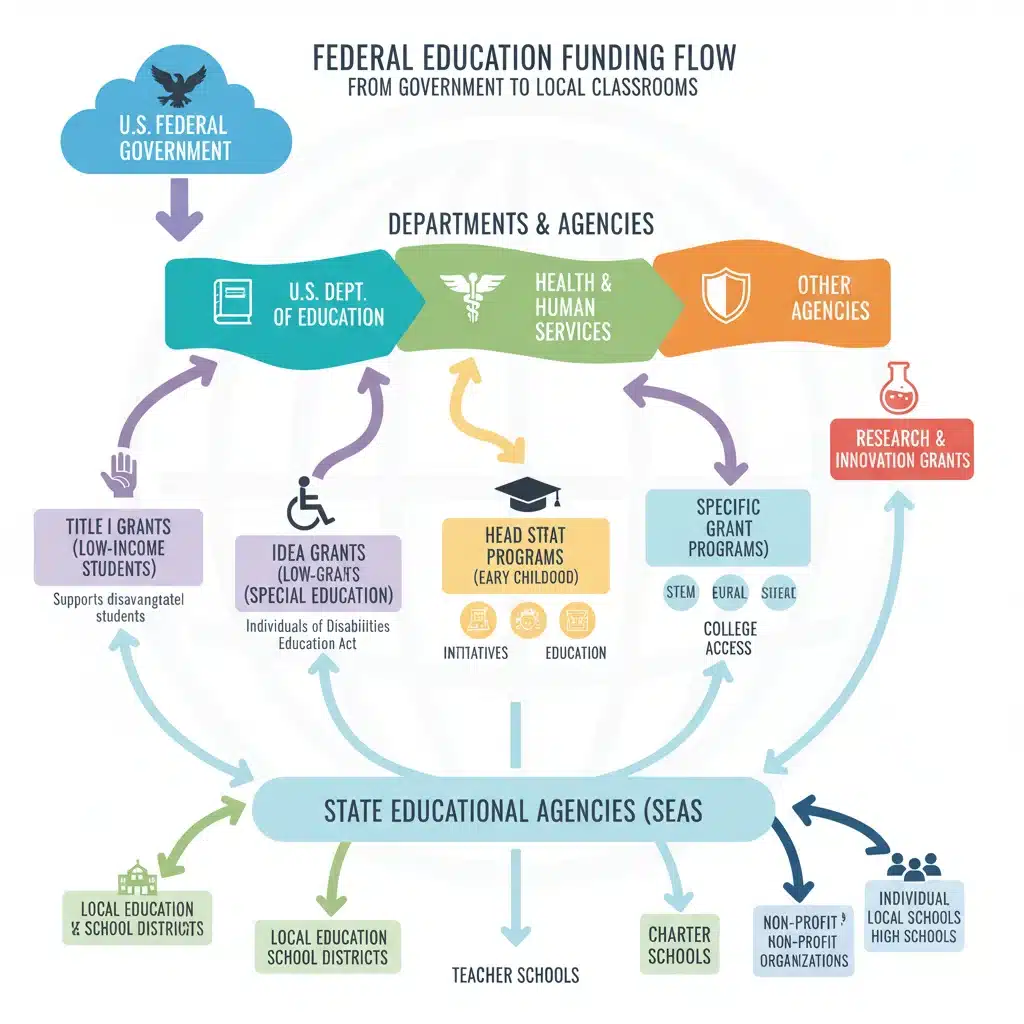
Before delving into the specifics of 2026, it’s crucial to grasp the fundamental mechanisms of federal education funding. Historically, the federal government plays a supplementary role, with the bulk of school funding coming from state and local sources. However, federal contributions are often critical for addressing inequities and funding programs that might otherwise be under-resourced. Key federal acts like the Elementary and Secondary Education Act (ESEA), most recently reauthorized as the Every Student Succeeds Act (ESSA), and the Individuals with Disabilities Education Act (IDEA), dictate how much money flows to states and for what purposes.
These funds are typically distributed through various grants and programs. For instance, Title I of ESSA provides financial assistance to local educational agencies (LEAs) and schools with high numbers or high percentages of children from low-income families to help ensure that all children meet challenging state academic standards. IDEA ensures that children with disabilities have access to a free appropriate public education. Other programs might focus on STEM education, teacher professional development, or school safety. Each of these programs is subject to annual appropriations and potential legislative adjustments, making the outlook for 2026 a topic of significant interest.
The federal government’s role in education funding has always been a balancing act between national priorities and local control. While federal funds provide a baseline of support and encourage certain educational practices, states and local districts retain significant autonomy in how they implement programs and allocate resources. This dynamic means that changes at the federal level require careful consideration at the state and local levels to ensure continued support for students.
For parents, understanding which federal programs benefit their child’s school is the first step towards informed advocacy. Many schools receive funds for specific initiatives, and knowing these can help parents understand the potential impact of any shifts in federal education funding. It’s not just about the total dollar amount; it’s about how those dollars are targeted and what services they enable.
Anticipated Changes in Federal Education Funding for 2026
As we approach 2026, several factors suggest potential shifts in federal education funding. These can include new legislative proposals, changes in economic forecasts, and evolving national educational priorities. While it’s impossible to predict with absolute certainty, trends and discussions within educational policy circles offer valuable insights.
Potential Legislative Reforms
One of the primary drivers of funding changes is legislative action. New administrations or shifts in congressional control can lead to reevaluations of existing education acts or the introduction of entirely new frameworks. For 2026, there could be discussions around the reauthorization of certain components of ESSA, or new legislation aimed at addressing emerging educational challenges, such as learning loss exacerbated by recent global events, or the integration of new technologies into the curriculum. Any such reforms could significantly alter the allocation formulas or the focus of federal grants, directly impacting how much money schools receive and for what purposes.
Economic Influences
The national economic climate also plays a crucial role. Federal budgets are often tied to economic performance, tax revenues, and national spending priorities. A robust economy might lead to increased appropriations for education, while an economic downturn could result in tighter budgets and potential cuts. Parents should monitor broader economic indicators and how they might influence federal spending decisions, as these indirectly shape the availability of federal education funding.
Shifting National Priorities
Educational priorities evolve. What was a top concern a decade ago might be less so today, replaced by new challenges or opportunities. For 2026, there might be an increased federal focus on areas like mental health support for students, career and technical education (CTE) pathways, early childhood education, or digital literacy. If these areas gain prominence, we could see a reallocation of funds towards programs that support these new priorities, potentially at the expense of others. Understanding these shifts helps parents anticipate where resources might be concentrated.
It’s also important to remember that these changes don’t happen in a vacuum. Advocacy groups, educational organizations, and even parent networks actively engage with lawmakers to shape these policies. Being aware of these ongoing conversations allows parents to understand the ‘why’ behind potential funding adjustments for 2026.
Impact on Local Schools and Students
The most pressing question for parents is: how will changes in federal education funding for 2026 affect my child’s school and their education? The impact can be multifaceted and vary significantly depending on the specific programs affected and the individual needs of a school district.
Program Reductions or Enhancements
If federal funds for a particular program are reduced, schools might have to scale back or eliminate services. For example, a cut in Title I funding could mean fewer resources for remedial reading programs or smaller class sizes in high-poverty schools. Conversely, an increase in funding for special education through IDEA could lead to enhanced services, more specialized staff, or improved assistive technologies for students with disabilities. It’s essential to identify which federal programs your child’s school relies on most heavily.
Staffing and Resources
Changes in funding can directly affect staffing levels. Schools might face difficult decisions regarding hiring new teachers, retaining existing staff, or funding professional development opportunities. Reduced budgets could also impact the availability of educational materials, technology upgrades, and even basic supplies. On the other hand, increased funding could allow for the hiring of specialists, counselors, or additional support staff, enriching the overall educational experience.
Curriculum and Extracurricular Activities
Federal funds often support specific curriculum initiatives, such as STEM programs, arts education, or literacy interventions. Shifts in funding can lead to changes in the scope or availability of these programs. Similarly, some extracurricular activities, especially those requiring specialized equipment or coaching, might be indirectly affected if school budgets tighten due to federal cuts. Parents should inquire about how federal funds contribute to these areas in their child’s school.
Equity and Access
A significant portion of federal education funding is designed to promote equity and provide access to quality education for all students, particularly those from disadvantaged backgrounds or with special needs. Any changes to these targeted programs could have profound implications for vulnerable student populations. Parents of children in these groups need to be particularly vigilant and understand how proposed changes might affect the support systems their children rely on.
The key takeaway is that parents need to move beyond general concerns and seek specific information about how their local school district and individual schools utilize federal funds. This detailed understanding will be crucial for effective advocacy.
How Parents Can Stay Informed and Engaged
Knowledge is power, especially when it comes to advocating for your child’s education. Staying informed and actively engaged is the best way to navigate the potential changes in federal education funding for 2026.
Monitor Official Sources
- U.S. Department of Education: Regularly check their official website for press releases, policy updates, and reports on proposed budgets. This is the primary source for federal-level information.
- Congressional Websites: Follow the activities of congressional committees responsible for education and appropriations. These sites will provide details on legislative proposals and debates.
- State Departments of Education: Your state’s education department will often publish summaries of federal funding impacts and how they translate to state-level initiatives.
Engage with Your School and District
- School Board Meetings: Attend local school board meetings. These are public forums where budget discussions, including the impact of federal funds, are often held. It’s also an opportunity to ask questions directly.
- Parent-Teacher Associations (PTAs/PTOs): These organizations are excellent conduits for information and collective action. They often have direct lines of communication with school administration and can organize advocacy efforts.
- School Administrators: Don’t hesitate to schedule a meeting with your child’s principal or district superintendent to understand how federal funds are currently used and what potential changes for 2026 might mean for your school.
- District Websites: Many school districts publish detailed budget documents, annual reports, and specific information about federal grants received.
Connect with Advocacy Groups
Numerous national and local organizations are dedicated to advocating for quality education and adequate funding. Joining or following these groups can provide you with expert analysis, calls to action, and a collective voice. Examples include the National Parent Teacher Association (NPTA), The Education Trust, and various state-level education advocacy organizations.
Advocacy Strategies for Parents
Understanding the changes is only the first step. The next is to translate that understanding into effective advocacy. Your voice as a parent is incredibly powerful, and there are several ways you can make a difference regarding federal education funding.
Communicate with Elected Officials
- Federal Representatives: Write letters, send emails, or call your U.S. Senators and Representatives. Explain how proposed federal education funding changes could impact your child and local schools. Be specific and personal.
- State and Local Officials: Also contact your state legislators and local school board members. While federal funds originate in Washington, D.C., their implementation is felt locally.
- Attend Town Halls: Participate in town hall meetings held by your elected officials. This provides a direct opportunity to voice your concerns and ask questions.
Collaborate with Other Parents
There is strength in numbers. Organize with other parents who share your concerns. A unified voice carries more weight than individual pleas. Form parent committees, circulate petitions, and collectively reach out to school and district leadership. This collective action can be particularly effective in influencing local decisions about how federal funds are utilized.
Educate Your Community
Share the information you learn about federal education funding with other parents and community members. Host informal discussions, share articles, or utilize social media to raise awareness. The more informed the community is, the more likely there will be broad support for advocating for educational resources.
Provide Constructive Feedback
When communicating with officials, focus on providing constructive feedback. Clearly articulate your concerns, but also suggest potential solutions or alternative approaches. Frame your arguments around the positive impact of robust education funding on student outcomes and community well-being.
Vote
Perhaps the most fundamental form of advocacy is exercising your right to vote. Research candidates’ stances on education funding at all levels of government – federal, state, and local – and support those who align with your priorities for educational investment. Your vote sends a clear message about the importance of education to your community.
Case Studies and Examples of Funding Impact
To illustrate the tangible effects of federal education funding, let’s consider a few hypothetical scenarios based on historical impacts and anticipated trends for 2026. These examples highlight why parental vigilance is so important.
Scenario 1: Increased Funding for STEM Programs
Imagine a scenario where 2026 brings a significant increase in federal grants specifically earmarked for Science, Technology, Engineering, and Mathematics (STEM) education. In a proactive school district, this could lead to:
- The establishment of new robotics clubs or coding academies.
- Hiring of additional specialized STEM teachers or guest lecturers from local industries.
- Investment in state-of-the-art laboratory equipment and educational software.
- Professional development for existing teachers to integrate more STEM concepts across the curriculum.
The impact on students would be enhanced opportunities for hands-on learning, exposure to cutting-edge fields, and better preparation for future careers in high-demand sectors. Parents would see more diverse course offerings and potentially higher engagement in STEM subjects.
Scenario 2: Reductions in Funding for After-School Programs
Conversely, consider if budget cuts for 2026 disproportionately affect federal funding for after-school enrichment programs, which often target at-risk youth. This could result in:
- Fewer available slots in tutoring or homework help programs.
- Elimination of certain arts, sports, or academic clubs that rely on federal subsidies.
- Increased burden on working parents to find alternative, often more expensive, childcare or enrichment options.
- A potential widening of the achievement gap if disadvantaged students lose access to critical supplementary support.
For parents, this would mean fewer resources outside of the regular school day, potentially impacting their child’s academic progress and overall well-being. It underscores the need for parents to understand the full scope of programs supported by federal dollars.
Scenario 3: Focus on Mental Health Services
If 2026 sees a new federal initiative to boost mental health support in schools, districts could utilize these funds to:
- Hire more school counselors, psychologists, or social workers.
- Implement universal screening programs for mental health issues.
- Provide professional development for teachers on recognizing and responding to student mental health needs.
- Establish partnerships with community mental health organizations to offer integrated services.
The benefit to students would be a more supportive school environment, easier access to crucial mental health resources, and a reduction in the stigma associated with seeking help. Parents would likely notice a stronger focus on student well-being alongside academic achievement.
These examples highlight that changes in federal education funding are not abstract figures; they translate directly into programs, services, and opportunities (or lack thereof) for students. Your engagement can help steer these outcomes in a positive direction.
The Long-Term Vision: Advocating for Sustainable Education Funding
Beyond reacting to immediate changes for 2026, parents have a crucial role to play in advocating for a long-term vision of sustainable and equitable education funding. This involves looking beyond annual appropriations and considering the systemic needs of the education system.
Equitable Resource Distribution
A key aspect of sustainable funding is ensuring that resources are distributed equitably, reaching all students regardless of their socioeconomic background, geographic location, or specific learning needs. Federal programs like Title I and IDEA are designed with this in mind, but their effectiveness can be enhanced or diminished by how they are funded and implemented. Parents can advocate for policies that strengthen these equity-focused programs.
Investment in Teacher Quality
High-quality teachers are the bedrock of a strong education system. Sustainable funding should support competitive salaries, ongoing professional development, and initiatives to attract and retain top talent in the teaching profession. Federal grants often play a role in these areas, and parents can advocate for their continued prioritization.
Modern Infrastructure and Technology
Schools need modern facilities and up-to-date technology to prepare students for the 21st century. While this is often a local and state responsibility, federal infrastructure grants or technology initiatives can provide crucial supplementary funding. Parents can advocate for investments that ensure their children learn in safe, healthy, and technologically advanced environments.
Comprehensive Student Support
Education is more than just academics; it encompasses the holistic development of a child. Sustainable funding should support a wide range of student services, including counseling, health services, nutrition programs, and extracurricular activities. These supports are often bolstered by federal funds and are vital for creating well-rounded individuals.
By engaging in this broader advocacy, parents contribute not just to their own child’s success, but to the health and vitality of the entire educational ecosystem. The changes in federal education funding for 2026 are a significant moment to re-engage with these critical discussions.
Conclusion: Empowering Parents for 2026 and Beyond
The anticipated changes in federal education funding for 2026 present both challenges and opportunities for parents. While the landscape of educational finance can seem daunting, understanding its mechanisms, staying informed, and actively participating in advocacy efforts are powerful tools at your disposal. Your proactive engagement ensures that your child’s educational needs remain a top priority, both at the local and national levels.
Remember, federal funds are not just abstract numbers; they represent tangible resources that directly impact the quality of teaching, the availability of support services, and the breadth of opportunities offered in schools. As parents, you are the primary stakeholders in your children’s education, and your collective voice can shape the future of educational policy and funding. By utilizing the strategies outlined in this guide – monitoring official sources, engaging with school and district leaders, connecting with advocacy groups, and communicating with elected officials – you can become an effective advocate for robust and equitable federal education funding for 2026 and for generations to come. Your involvement is not just appreciated; it is essential for fostering an educational environment where all children can thrive.