2026 US Infrastructure Bill: Local Impact & Job Growth
Anúncios
Understanding the 2026 US Infrastructure Bill: How $1.2 Trillion Will Impact Local Communities and Job Growth
The United States stands at a pivotal moment, poised to embark on one of the most significant infrastructure overhauls in its modern history. The proposed 2026 US Infrastructure Bill, a monumental legislative package valued at an estimated $1.2 trillion, is not merely a funding allocation; it’s a strategic investment designed to reshape the nation’s physical and economic landscape for decades to come. This comprehensive bill targets critical areas from crumbling roads and bridges to outdated water systems, broadband access, and the burgeoning clean energy sector. Understanding the nuances of this bill is crucial for anyone interested in the future of American communities, economic development, and job creation.
Anúncios
At its core, the US Infrastructure Bill aims to address long-standing deficiencies in the nation’s infrastructure, which have hindered economic competitiveness and quality of life. For years, reports have highlighted the deteriorating state of America’s infrastructure, warning of the economic costs of inaction. This bill represents a concerted effort to reverse that trend, providing much-needed capital to repair, upgrade, and build new infrastructure that is resilient, sustainable, and capable of supporting a 21st-century economy. The financial commitment of $1.2 trillion underscores the scale of this ambition, promising a transformative impact that will ripple through every state, city, and town.
This article will delve deep into the various facets of the 2026 US Infrastructure Bill, exploring its key provisions, the anticipated impact on local communities, and the significant potential for job growth across diverse industries. We will examine how this historic investment will touch everything from daily commutes to internet access, public health, and environmental sustainability. By understanding the mechanisms and goals of this bill, individuals, businesses, and local governments can better prepare to leverage the opportunities it presents and contribute to a stronger, more connected America.
Anúncios
The Core Pillars of the 2026 US Infrastructure Bill
The $1.2 trillion US Infrastructure Bill is strategically divided into several key areas, each designed to tackle specific challenges and foster long-term growth. These pillars represent a holistic approach to infrastructure development, recognizing the interconnectedness of various systems that underpin a modern society. Let’s break down the primary focus areas:
Transportation Infrastructure: Roads, Bridges, and Public Transit
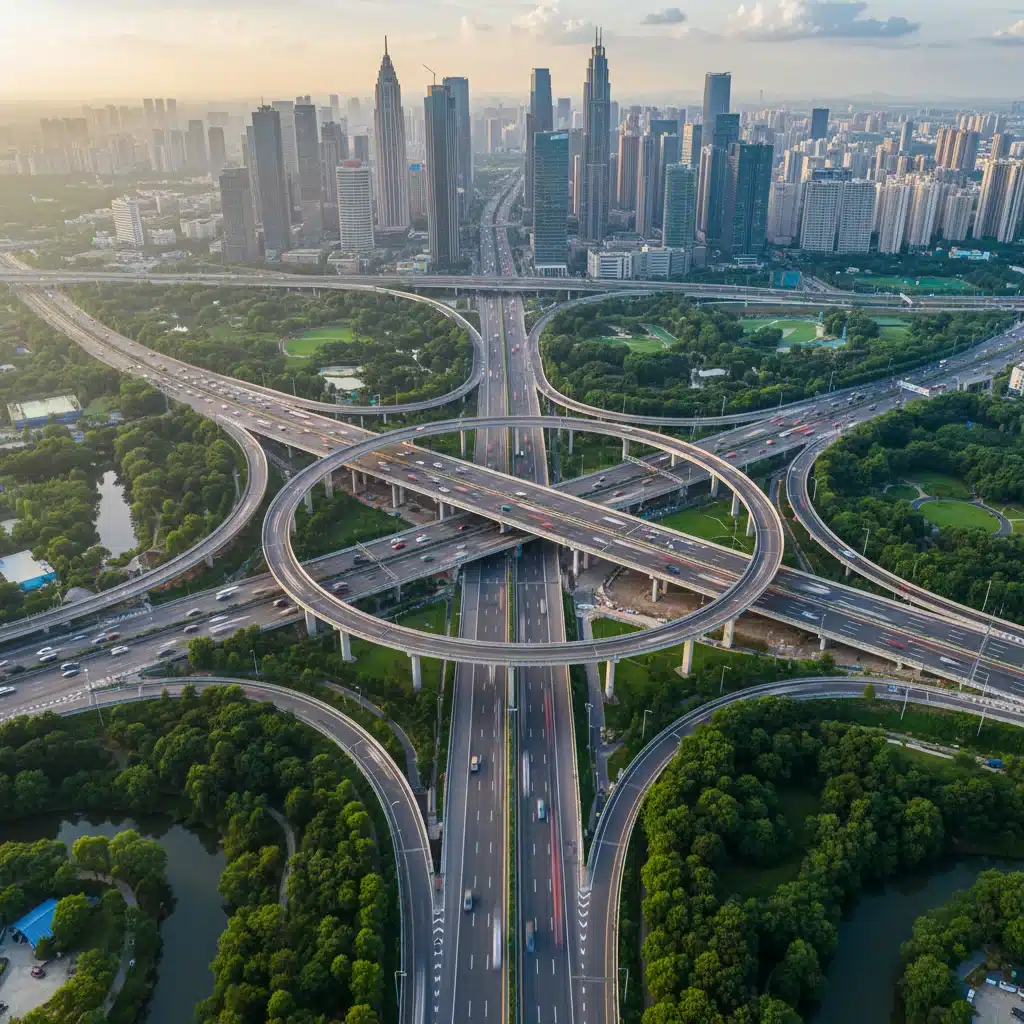
Perhaps the most visible component of the bill is its substantial investment in transportation. Decades of underfunding have left countless roads in disrepair and bridges structurally deficient. The US Infrastructure Bill allocates hundreds of billions to address these critical issues, aiming to improve safety, reduce congestion, and enhance efficiency. This includes funding for:
- Road and Highway Repair: Extensive projects to repave, expand, and modernize interstate highways, state routes, and local roads, reducing wear and tear on vehicles and improving commute times.
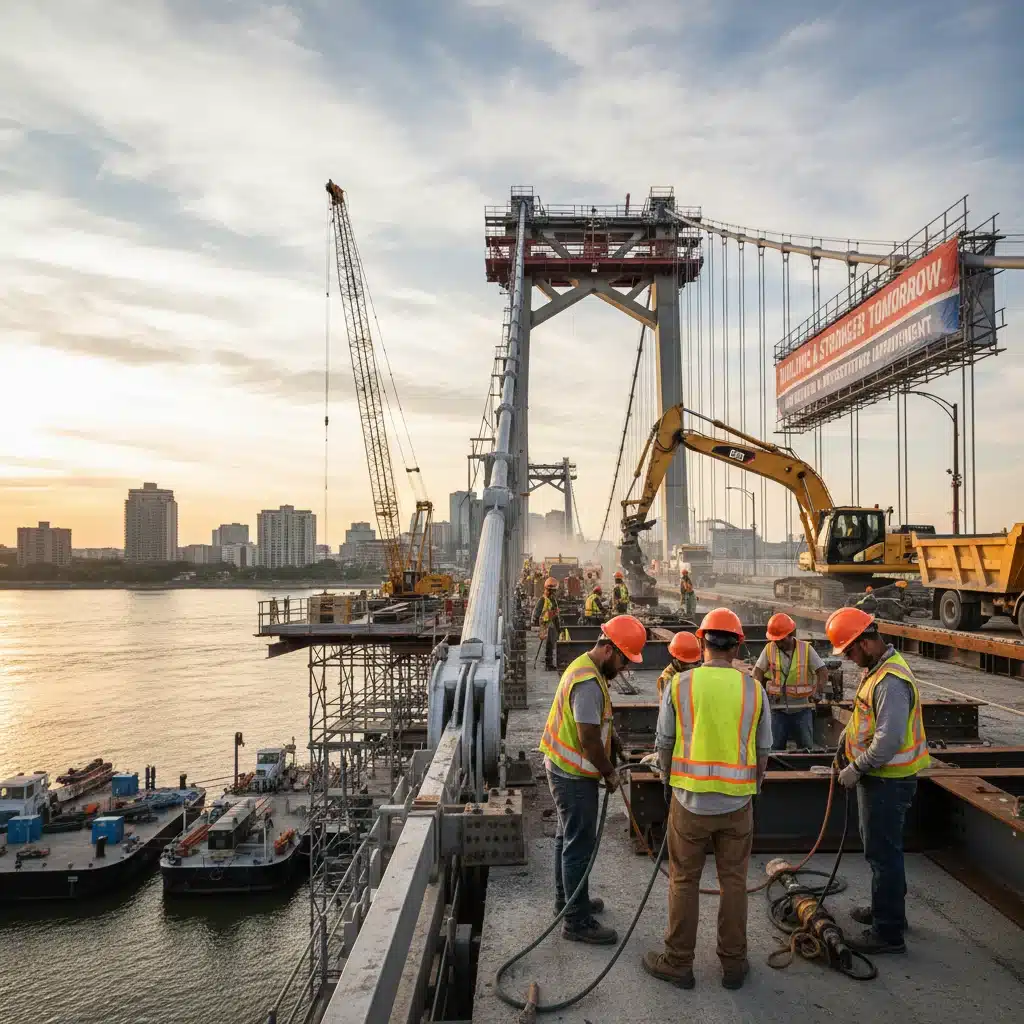
- Bridge Reconstruction: A dedicated focus on repairing or replacing thousands of bridges deemed structurally unsound, preventing potential disasters and ensuring vital connections.
- Public Transit Modernization: Significant investments in upgrading and expanding bus and rail systems, making public transportation more accessible, reliable, and environmentally friendly. This includes new routes, updated rolling stock, and improved station infrastructure.
- Airport and Port Upgrades: Funding to modernize airports, improving runways, terminals, and air traffic control systems, as well as enhancing ports to bolster supply chain efficiency and international trade.
The impact of these transportation investments will be immediate and far-reaching, improving daily life for millions of Americans and facilitating the movement of goods and services critical to the economy.
Water and Wastewater Systems: Ensuring Clean and Safe Access
Beyond visible transportation networks, the US Infrastructure Bill also targets the often-unseen but equally vital water infrastructure. Many communities still rely on aging pipes and treatment plants, leading to concerns about water quality and service reliability. The bill addresses this by providing funds for:
- Lead Pipe Replacement: A major initiative to remove and replace lead service lines, ensuring safe drinking water for all communities, particularly those historically underserved.
- Wastewater Treatment Upgrades: Investments in modernizing and expanding wastewater treatment facilities to meet environmental standards and accommodate population growth.
- Water Storage and Distribution: Funding for improving reservoirs, pumping stations, and distribution networks to enhance water security and prevent leaks.
These investments are crucial for public health, environmental protection, and ensuring a sustainable water supply for future generations.
Broadband Internet: Bridging the Digital Divide
In the 21st century, reliable high-speed internet is no longer a luxury but a necessity. Yet, millions of Americans, especially in rural and low-income areas, lack access to affordable, high-quality broadband. The US Infrastructure Bill includes a significant allocation to bridge this digital divide:
- Broadband Expansion: Funding to deploy new fiber optic networks and other high-speed internet infrastructure in unserved and underserved areas.
- Affordability Programs: Initiatives to make internet access more affordable for low-income households, ensuring equitable access to education, healthcare, and economic opportunities.
By ensuring universal broadband access, the bill aims to unlock economic potential, improve educational outcomes, and enhance connectivity for all Americans.
Clean Energy and Grid Modernization: Powering the Future
A forward-looking aspect of the US Infrastructure Bill is its commitment to clean energy and modernizing the nation’s electric grid. This is critical for combating climate change, enhancing energy resilience, and fostering innovation. Key investments include:
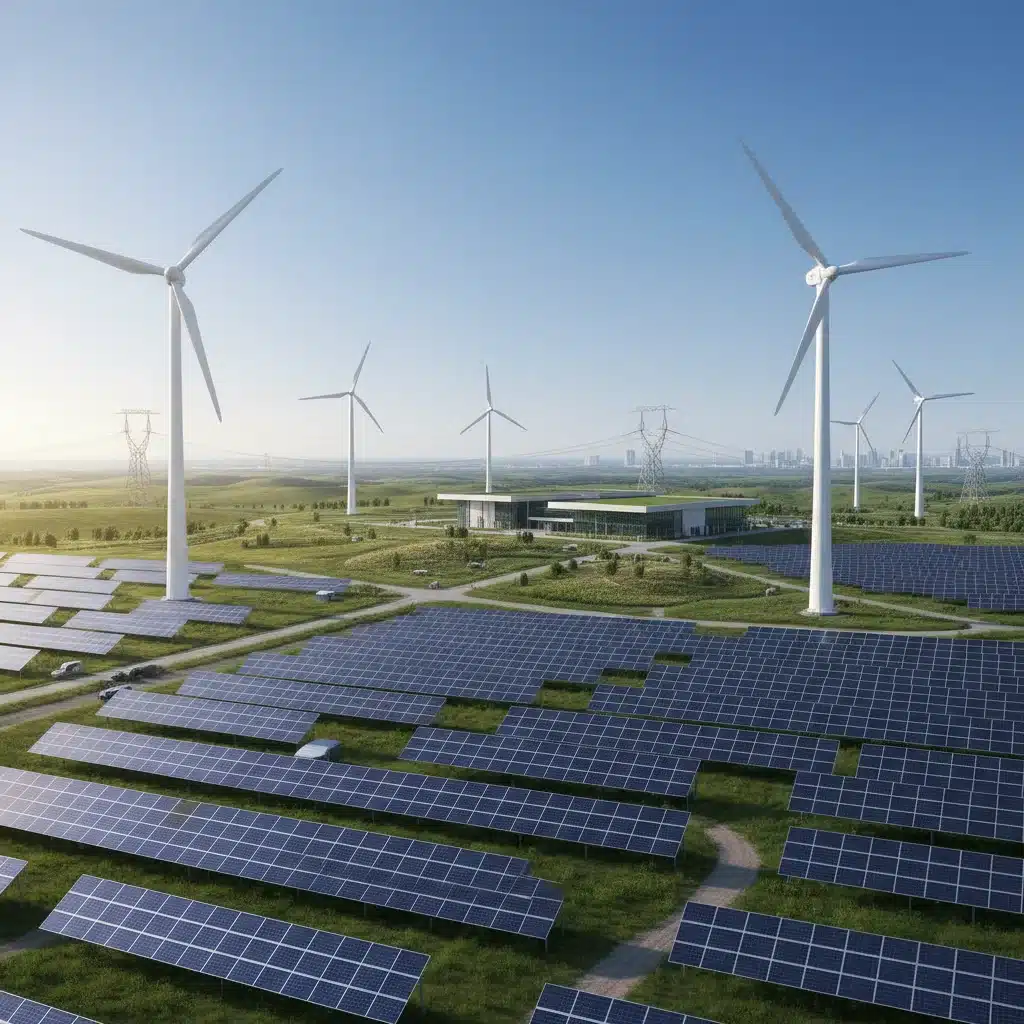
- Renewable Energy Projects: Support for the development and deployment of solar, wind, geothermal, and other renewable energy sources.
- Grid Upgrades: Modernizing the electric grid to make it more resilient to extreme weather events, capable of integrating more renewable energy, and less susceptible to cyberattacks.
- Electric Vehicle Charging Infrastructure: A nationwide network of EV charging stations to support the transition to electric vehicles and reduce carbon emissions.
These investments not only address environmental concerns but also position the U.S. as a leader in the global clean energy economy.
Impact on Local Communities: A Transformative Shift
The $1.2 trillion US Infrastructure Bill is designed to have a direct and profound impact on local communities across the nation. This isn’t just about large-scale federal projects; it’s about tangible improvements that will affect the daily lives of residents and the operational efficiency of local economies.
Improved Quality of Life and Safety
For many communities, the most immediate benefits will be felt in the quality of everyday life. Safer roads and bridges mean fewer accidents and smoother commutes. Upgraded public transit offers more reliable and accessible options for travel, reducing reliance on personal vehicles and easing traffic congestion. Clean water initiatives will safeguard public health, especially in areas where aging infrastructure has posed risks. Furthermore, access to high-speed internet will enhance educational opportunities, facilitate remote work, and improve access to telehealth services, bringing essential resources directly to homes.
Economic Revitalization and Business Growth
Local businesses stand to gain significantly from the investments made through the US Infrastructure Bill. Improved transportation networks will reduce shipping costs and transit times, making local economies more competitive. Enhanced broadband connectivity will open new markets for small businesses, enable innovation, and attract new companies seeking a robust digital infrastructure. The influx of construction projects will also stimulate local economies by creating demand for materials, equipment, and support services, benefiting local suppliers and contractors.
Enhanced Resiliency and Sustainability
Many provisions of the US Infrastructure Bill focus on building infrastructure that is more resilient to the impacts of climate change and natural disasters. This includes funding for upgrading stormwater systems, protecting coastal communities, and hardening the electric grid against extreme weather. By investing in sustainable infrastructure, communities will be better equipped to withstand future challenges, reducing long-term costs and protecting residents. The emphasis on clean energy projects also contributes to a healthier local environment by reducing pollution and promoting sustainable practices.
Job Growth: A New Era of Employment Opportunities
One of the most anticipated outcomes of the US Infrastructure Bill is the massive surge in job creation. Economists project that the $1.2 trillion investment will generate millions of direct and indirect jobs across a wide array of sectors, offering significant opportunities for American workers.
Direct Construction and Engineering Jobs
The most obvious beneficiaries of the US Infrastructure Bill will be the construction and engineering sectors. Repairing and building roads, bridges, public transit, water systems, and broadband networks requires a vast workforce. This includes:
- Skilled Trades: Electricians, plumbers, pipefitters, welders, heavy equipment operators, ironworkers, and carpenters will be in high demand.
- Engineers: Civil engineers, structural engineers, environmental engineers, and electrical engineers will be crucial for planning, designing, and overseeing projects.
- Laborers: General laborers will be needed for various tasks on construction sites.
These jobs often offer competitive wages and benefits, providing stable employment for many years. The scale of the projects means that job opportunities will be available in urban, suburban, and rural areas alike.
Beyond the immediate construction phase, the long-term maintenance and operation of new and upgraded infrastructure will also create sustained employment opportunities. This includes positions in facility management, public works, and transit operations.
Indirect Job Creation Across Supply Chains
The ripple effect of infrastructure spending extends far beyond the construction site. The demand for materials and equipment will stimulate manufacturing, mining, and logistics industries. This will lead to indirect job creation in:
- Manufacturing: Factories producing steel, concrete, asphalt, pipes, cables, and other construction materials will need to ramp up production, leading to jobs in production, quality control, and logistics.
- Mining: Increased demand for raw materials will boost employment in the mining sector.
- Transportation and Logistics: Truck drivers, freight handlers, and logistics coordinators will be essential for moving materials and equipment to project sites.
Furthermore, the increased economic activity generated by improved infrastructure will support jobs in local businesses, from restaurants and retail to professional services.
New Opportunities in Clean Energy and Technology
The focus on clean energy and broadband expansion within the US Infrastructure Bill will open up entirely new avenues for job growth. This includes:
- Renewable Energy Sector: Jobs in the installation, maintenance, and manufacturing of solar panels, wind turbines, and other renewable energy technologies.
- Electric Vehicle Industry: Employment related to the production, installation, and maintenance of EV charging stations, as well as jobs in the growing electric vehicle manufacturing sector.
- Cybersecurity: As the electric grid and other critical infrastructure become more digitized, there will be a growing need for cybersecurity professionals to protect these systems.
- Broadband Technicians: Jobs in installing, maintaining, and repairing fiber optic networks and other broadband infrastructure.
These emerging sectors represent a significant shift in the job market, requiring new skills and offering opportunities for career development and training.
Funding Mechanisms and Oversight of the US Infrastructure Bill
The sheer scale of the US Infrastructure Bill naturally raises questions about its funding and how such a massive undertaking will be managed. While the specifics can be complex, the bill typically draws from a combination of federal appropriations, existing trust funds, and potentially new revenue streams. Strict oversight mechanisms are critical to ensure that funds are used efficiently, transparently, and effectively.
Federal Appropriations and Reauthorization
A significant portion of the bill’s funding comes from direct federal appropriations, authorized by Congress. This involves allocating taxpayer money to specific programs and projects. Additionally, existing mechanisms like the Highway Trust Fund, which is primarily funded by fuel taxes, will continue to play a crucial role, often reauthorized and supplemented by the new bill. The bill also explores innovative financing tools, such as public-private partnerships, to leverage private sector investment in public infrastructure.
Grant Programs and State Allocations
Much of the funding from the US Infrastructure Bill will flow to states and local governments through various grant programs. These programs are often competitive, requiring states and municipalities to submit proposals outlining their projects, their alignment with federal goals, and their projected impact. This decentralized approach allows local communities to identify their most pressing infrastructure needs and tailor projects accordingly, while still adhering to national standards and objectives. States will also receive direct allocations for specific purposes, giving them the flexibility to address immediate priorities.
Ensuring Accountability and Efficiency
Given the substantial investment, robust oversight is paramount. The bill typically includes provisions for:
- Performance Metrics: Establishing clear goals and metrics to track the progress and effectiveness of funded projects.
- Auditing and Reporting: Regular audits and detailed reporting requirements for all recipients of federal funds to ensure compliance and prevent waste, fraud, and abuse.
- Environmental Reviews: Mandating thorough environmental impact assessments for projects to ensure they are sustainable and do not harm local ecosystems.
- Buy American Provisions: Often, the bill includes clauses requiring the use of American-made materials and products, supporting domestic industries and creating jobs within the U.S. supply chain.
These measures are designed to maximize the return on investment and build public confidence in the infrastructure initiatives.
The successful implementation of the US Infrastructure Bill will depend heavily on effective collaboration between federal, state, and local governments, as well as private sector partners. Clear communication, streamlined processes, and a shared commitment to long-term vision will be essential to translate the bill’s ambitious goals into tangible improvements across the nation.
Challenges and Opportunities Ahead for the US Infrastructure Bill
While the 2026 US Infrastructure Bill presents an unprecedented opportunity for national renewal, its implementation will not be without challenges. Navigating these obstacles effectively will be key to realizing the full potential of this historic investment, while also seizing the numerous opportunities it creates.
Potential Challenges
- Supply Chain Disruptions: The immense demand for construction materials, equipment, and skilled labor could strain existing supply chains, potentially leading to delays and increased costs. Global events and domestic production capacities will play a significant role here.
- Workforce Shortages: Despite the promise of job creation, there’s a pre-existing shortage of skilled tradespeople in many areas. Ramping up training programs and attracting new talent to these fields will be crucial.
- Inflationary Pressures: A surge in demand coupled with supply constraints could contribute to inflationary pressures, potentially eroding the purchasing power of the allocated funds.
- Bureaucracy and Permitting: Large-scale infrastructure projects often face lengthy permitting processes and bureaucratic hurdles at various levels of government. Streamlining these processes without sacrificing environmental or safety standards will be a delicate balance.
- Political Will and Long-Term Commitment: Infrastructure projects often span multiple political cycles. Sustaining the necessary political will and funding commitment over many years will be essential for successful completion.
Emerging Opportunities
- Innovation and Technology Adoption: The bill encourages the adoption of new technologies in construction, engineering, and materials science. This includes smart infrastructure solutions, advanced construction techniques, and sustainable materials, fostering innovation across industries.
- Workforce Development: The demand for skilled labor creates a massive opportunity for workforce development programs, apprenticeships, and vocational training initiatives. This can lead to upskilling existing workers and creating pathways to well-paying jobs for new entrants to the workforce.
- Economic Competitiveness: Modernized infrastructure will significantly improve the nation’s economic competitiveness, reducing transportation costs, improving supply chain reliability, and attracting new businesses and investments.
- Environmental Benefits: Investments in clean energy, electric vehicles, and resilient infrastructure will contribute significantly to reducing carbon emissions, improving air and water quality, and mitigating the impacts of climate change.
- Equity and Inclusion: The bill has the potential to address historical inequities by bringing essential infrastructure services, such as broadband and clean water, to underserved communities, fostering more equitable economic development.
Successfully navigating the challenges while maximizing the opportunities will require strong leadership, cross-sector collaboration, and a sustained focus on the long-term vision embedded within the US Infrastructure Bill. It’s an ambitious undertaking, but one with the potential for profound positive change.
Conclusion: A Vision for a Stronger, More Connected America
The 2026 US Infrastructure Bill represents a landmark commitment to rebuilding and modernizing America. Its $1.2 trillion investment is not just about concrete and steel; it’s about laying the foundation for a more prosperous, resilient, and equitable future for all Americans. From revitalizing aging transportation networks and ensuring access to clean water to bridging the digital divide and accelerating the transition to clean energy, the bill addresses critical needs that have long been neglected.
The anticipated impact on local communities is transformative. Residents can look forward to safer commutes, cleaner environments, and enhanced access to essential services. Businesses will benefit from improved logistics, expanded markets, and a more robust economic environment. Crucially, the bill is projected to spur significant job growth, creating millions of opportunities for skilled trades, engineers, technicians, and many others across a diverse range of industries. This surge in employment will not only provide immediate economic relief but also foster long-term career pathways and workforce development.
While the implementation of such a massive undertaking will undoubtedly face challenges, the comprehensive nature of the US Infrastructure Bill, coupled with robust oversight and a focus on sustainability, positions the nation for success. It demands collaboration across all levels of government, engagement from the private sector, and the dedication of a skilled workforce. As the projects unfold, the vision of a stronger, more connected America, powered by modern infrastructure, will gradually come into focus.
Ultimately, the 2026 US Infrastructure Bill is more than just a legislative package; it’s a testament to the nation’s commitment to investing in its future. It’s an opportunity to create lasting legacies that will benefit generations to come, ensuring that America remains competitive, innovative, and a leader on the global stage. Understanding its scope and potential allows us all to appreciate the magnitude of this investment and anticipate the positive changes it will bring to our communities and beyond.