Federal Mental Health Funding: $2 Billion Boost for Nationwide Reach in 2026

Federal Mental Health Funding: A $2 Billion Increase and Its Nationwide Reach in 2026
The landscape of mental health care in the United States is on the cusp of a transformative change. With a projected $2 billion increase in federal mental health funding by 2026, the nation is poised to address a long-standing crisis that has affected millions. This significant investment signals a profound commitment to improving access, quality, and equity in mental health services across all states and communities. The implications of such a substantial boost are far-reaching, promising a future where mental health support is not a luxury but a fundamental right accessible to everyone.
For decades, mental health care has been underfunded and often stigmatized, leading to significant gaps in treatment, particularly for underserved populations. The upcoming increase in federal mental health funding represents a pivotal moment, offering a beacon of hope for individuals, families, and communities grappling with mental health challenges. This article delves into the specifics of this funding increase, its potential impact, and what it means for the future of education in the U.S.
Understanding the $2 Billion Federal Mental Health Funding Boost
The announcement of a $2 billion increase in federal mental health funding for 2026 is not merely a number; it represents a strategic allocation designed to fortify and expand the existing mental health infrastructure. This funding is expected to be channeled through various federal agencies and programs, each targeting specific areas of need. Key initiatives likely to benefit include:
- Community Mental Health Services Block Grants (MHBG): These grants are a cornerstone of federal support, providing states with flexible funding to deliver comprehensive mental health services to adults with serious mental illnesses and children with serious emotional disturbances. An increase here means more robust, locally tailored programs.
- Substance Abuse and Mental Health Services Administration (SAMHSA) Programs: SAMHSA plays a critical role in reducing the impact of substance abuse and mental illness on America’s communities. Enhanced funding will bolster programs related to prevention, treatment, and recovery support.
- Medicaid and Medicare Expansions: While not direct grants, increased federal support can facilitate broader coverage for mental health services under these critical healthcare programs, reducing out-of-pocket costs for millions.
- Workforce Development Initiatives: A significant challenge in mental health care is the shortage of qualified professionals. Part of the funding will likely be dedicated to training, recruitment, and retention programs for psychiatrists, psychologists, social workers, and other mental health practitioners.
- Research and Innovation: Investing in mental health research is crucial for developing new treatments, improving diagnostic tools, and understanding the complex interplay of factors contributing to mental illness.
- Crisis Services and Suicide Prevention: Strengthening crisis hotlines, mobile crisis units, and suicide prevention programs will be a key focus, ensuring immediate support for those in acute distress.
The magnitude of this investment underscores a growing recognition at the federal level that mental health is as vital as physical health. It signals a shift from reactive crisis management to proactive prevention and holistic well-being.
The Nationwide Reach: Expanding Access and Equity
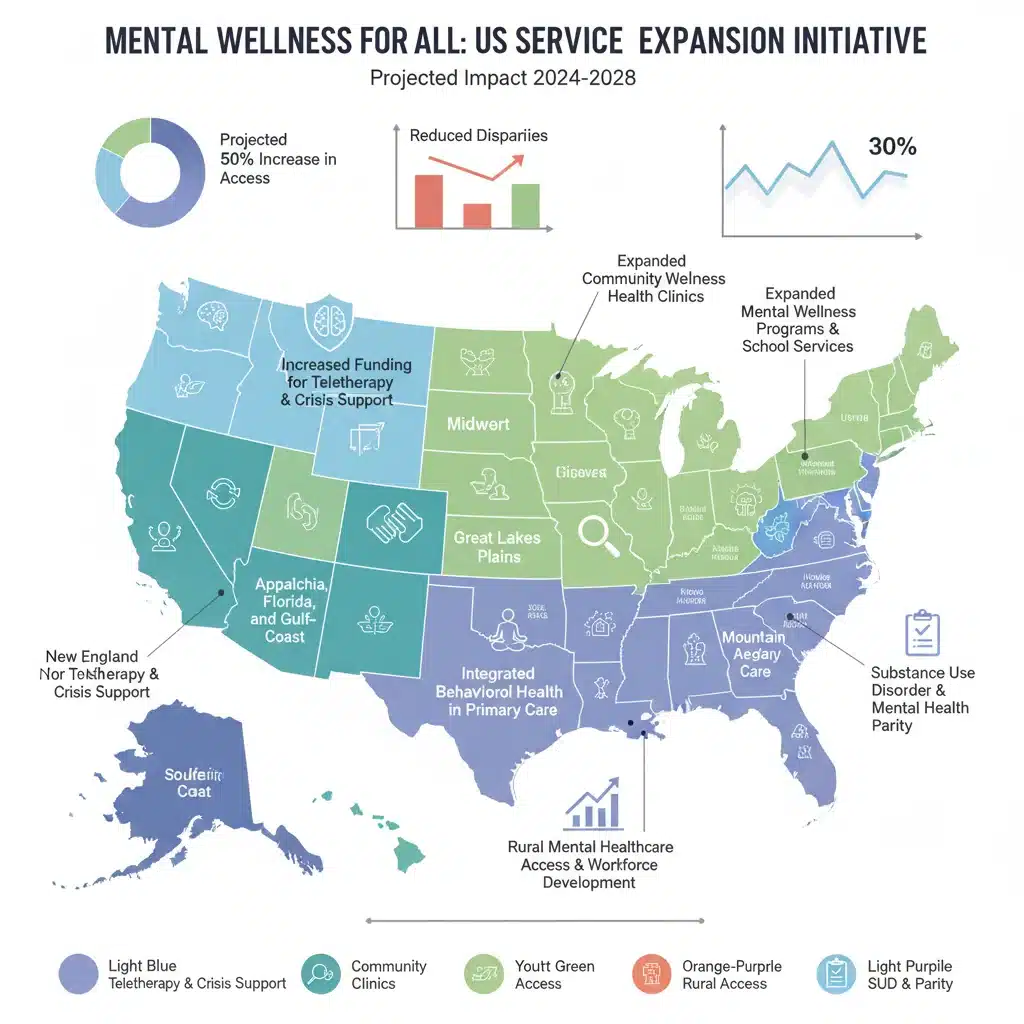
One of the primary goals of this increased federal mental health funding is to ensure a truly nationwide reach, addressing disparities that have historically left certain communities underserved. The impact will be felt across urban, suburban, and rural areas, with specific attention to:
Rural Communities
Rural areas often face significant barriers to mental health care, including a scarcity of providers, long travel distances, and limited access to specialized services. The new funding is expected to support:
- Telehealth Expansion: Investing in technology and infrastructure to deliver mental health services remotely, bridging geographical gaps.
- Integrated Care Models: Encouraging the integration of mental health services into primary care settings, making it easier for individuals to access support without needing separate appointments.
- Rural Health Clinics: Providing resources to rural health clinics to hire mental health professionals and expand their service offerings.
Underserved Populations
Certain demographic groups, including racial and ethnic minorities, LGBTQ+ individuals, veterans, and low-income communities, disproportionately experience mental health challenges and face greater obstacles to care. The increased federal mental health funding will prioritize initiatives that:
- Culturally Competent Care: Support training for providers to deliver services that are sensitive to the cultural backgrounds and specific needs of diverse populations.
- Language Access: Fund resources for translation and interpretation services to ensure language is not a barrier to treatment.
- Community-Based Organizations: Channel resources to local organizations that have established trust and rapport within their communities, enabling them to expand their mental health programs.
- Addressing Stigma: Fund public awareness campaigns aimed at reducing the stigma associated with mental illness, particularly within communities where it is prevalent.
Youth and Adolescents
The mental health crisis among youth and adolescents has reached alarming levels. The increased funding will be critical in:
- School-Based Mental Health Services: Expanding access to mental health professionals within schools, offering early intervention and support.
- Prevention Programs: Implementing evidence-based prevention programs in schools and communities to promote mental wellness from a young age.
- Early Intervention for Psychosis: Funding specialized programs designed to detect and treat early psychosis, improving long-term outcomes.
The comprehensive approach of this federal mental health funding aims to create a more equitable and accessible mental health care system for all Americans.
Anticipated Impact and Benefits by 2026
The $2 billion injection of federal mental health funding is expected to yield a multitude of positive outcomes by 2026. These benefits will not only improve individual lives but also strengthen communities and the nation as a whole.
Improved Access to Care
Perhaps the most immediate and critical impact will be a significant improvement in access to mental health services. This means:
- Shorter Wait Times: More providers and expanded facilities will reduce the often-long wait times for appointments.
- Increased Availability of Services: A wider range of services, from therapy and counseling to medication management and crisis intervention, will become more readily available.
- Geographic Accessibility: Through telehealth and integrated care, individuals in previously underserved areas will find it easier to connect with care.
Enhanced Quality of Care
Beyond simply increasing access, the funding will also contribute to an uplift in the quality of mental health care:
- Evidence-Based Practices: Funding will prioritize programs that utilize evidence-based treatments and interventions, ensuring patients receive the most effective care.
- Professional Development: Investment in training and continuing education for mental health professionals will lead to a more skilled and specialized workforce.
- Technology Integration: Support for advanced technologies in diagnosis, treatment, and data collection will improve the efficiency and effectiveness of care delivery.
Reduced Stigma and Greater Awareness
Increased federal attention and investment often come with heightened public awareness. This can lead to:
- Open Conversations: More public discourse around mental health, normalizing conversations and reducing the shame associated with seeking help.
- Early Identification: Greater awareness can lead to earlier identification of mental health conditions, allowing for timely intervention and better outcomes.
- Supportive Environments: Communities may become more supportive of individuals with mental illness, fostering inclusive environments.
Economic Benefits
Investing in mental health also has significant economic returns. Untreated mental illness leads to lost productivity, increased healthcare costs, and a strain on social services. By improving mental health outcomes, the nation can expect:
- Increased Productivity: A healthier workforce is a more productive workforce.
- Reduced Healthcare Expenditures: Effective mental health care can prevent more severe and costly health crises.
- Lower Societal Costs: A reduction in homelessness, incarceration rates, and other social issues linked to untreated mental illness.
Challenges and Considerations for Effective Implementation
While the prospect of increased federal mental health funding is overwhelmingly positive, its effective implementation will not be without challenges. To maximize the impact of this $2 billion investment, several key considerations must be addressed:
Workforce Shortages
Even with increased funding for training, the existing shortage of mental health professionals is a significant hurdle. Strategies must include:
- Innovative Training Models: Exploring accelerated programs, loan forgiveness, and incentives for working in underserved areas.
- Mid-Level Providers: Expanding the roles and training for psychiatric nurse practitioners and physician assistants.
- Peer Support Specialists: Integrating individuals with lived experience into the care team to provide valuable support.
Coordination and Integration
Ensuring that federal funds are effectively coordinated across state and local agencies, as well as integrated into broader healthcare systems, is crucial to avoid fragmentation of services. This requires:
- Inter-Agency Collaboration: Fostering strong partnerships between federal, state, and local health departments.
- Data Sharing and Evaluation: Implementing robust systems for data collection and program evaluation to track progress and identify areas for improvement.
- Standardized Guidelines: Developing clear guidelines for how funds should be used to ensure consistency and accountability.
Sustainability of Funding
While a $2 billion increase is substantial, long-term sustainability is vital. Advocates will need to continue making the case for ongoing investment to ensure that gains made by 2026 are not temporary. This involves:
- Demonstrating ROI: Clearly articulating the return on investment for mental health funding, both in human and economic terms.
- Advocacy Efforts: Continuous advocacy from mental health organizations, patient groups, and healthcare providers.
Addressing Social Determinants of Health
Mental health is deeply intertwined with social determinants such as housing, employment, education engagement, and food security. Effective use of federal mental health funding should consider:
- Holistic Approaches: Supporting programs that address not only clinical symptoms but also the underlying social and economic factors contributing to mental distress.
- Cross-Sector Partnerships: Collaborating with housing authorities, employment services, and educational institutions to create a comprehensive support system.

The Role of Technology in Expanding Reach
Technology will play an indispensable role in ensuring the nationwide reach of the increased federal mental health funding. Digital innovations offer unprecedented opportunities to overcome geographical barriers, enhance service delivery, and improve patient engagement.
Telehealth and Telepsychiatry
The COVID-19 pandemic significantly accelerated the adoption of telehealth services, demonstrating their efficacy and convenience. With increased funding, telehealth can become a permanent and expanded fixture of mental health care, particularly for:
- Rural Access: Providing specialized psychiatric and therapeutic services to individuals in remote areas who otherwise would not have access.
- Convenience and Flexibility: Offering appointments that fit into patients’ schedules, reducing the need for travel and time off work.
- Continuity of Care: Ensuring consistent access to providers, even during times of crisis or mobility challenges.
Digital Mental Health Platforms
The market for digital mental health tools, including apps for meditation, cognitive behavioral therapy (CBT), and mood tracking, is rapidly growing. Federal funding can support:
- Vetting and Integration: Evaluating the effectiveness of these platforms and integrating validated tools into clinical practice.
- Accessibility: Subsidizing access to high-quality digital tools for individuals who might not otherwise afford them.
- Personalized Care: Utilizing AI and machine learning to offer personalized mental health interventions and support.
Data Analytics and AI
Advanced data analytics and artificial intelligence can revolutionize how mental health needs are identified and addressed:
- Predictive Analytics: Identifying populations at higher risk for mental health crises, allowing for proactive intervention.
- Treatment Optimization: Analyzing treatment outcomes to determine the most effective interventions for different conditions and demographics.
- Resource Allocation: Using data to inform where funding and resources are most needed, ensuring efficient allocation.
Leveraging these technological advancements will be crucial in maximizing the impact of the $2 billion federal mental health funding, making mental health care more responsive, efficient, and truly nationwide.
Case Studies and Success Stories (Hypothetical)
To illustrate the potential impact of this increased federal mental health funding, let’s consider a few hypothetical scenarios that could become realities by 2026:
"Project Lighthouse" in Rural Montana
Imagine "Project Lighthouse," a state initiative in Montana, funded by the federal increase. Before 2026, residents in remote counties faced average wait times of 6-8 months for a psychiatric evaluation. With the new funding, "Project Lighthouse" establishes a robust telehealth network, connecting rural clinics with urban mental health specialists. It also funds mobile crisis units that can reach individuals in distress within hours, significantly reducing emergency room visits for mental health crises. By 2026, wait times are down to a few weeks, and crisis intervention is immediate, saving lives and improving community well-being.
"Harmony Schools" in an Urban School District
In a large urban school district, "Harmony Schools" is launched, utilizing a portion of the federal mental health funding to embed mental health professionals directly into schools. Each school now has a full-time counselor and a part-time social worker. This program also funds universal mental health screening for all students, allowing for early identification of issues. The district sees a 30% reduction in disciplinary actions related to behavioral issues and a significant improvement in student academic performance and emotional well-being by 2026, demonstrating the power of early intervention.
"Veterans’ Pathways" Program
A national "Veterans’ Pathways" program, bolstered by the federal increase, focuses on veterans returning from service. This program expands access to culturally competent mental health care for veterans, including specialized trauma-informed therapies. It also integrates mental health services with job placement assistance and housing support, addressing the holistic needs of veterans. By 2026, the program reports a substantial decrease in veteran homelessness and suicide rates, showcasing the impact of comprehensive, integrated care tailored to specific populations.
These hypothetical examples underscore the profound potential of strategic investment in mental health. The $2 billion increase in federal mental health funding isn’t just about treating illness; it’s about building stronger, more resilient communities across the nation.
The Road Ahead: Sustaining Momentum Beyond 2026
While the $2 billion increase in federal mental health funding for 2026 is a monumental step forward, the journey toward a fully equitable and accessible mental health care system is ongoing. It is imperative that the momentum generated by this investment is sustained and built upon in the years that follow.
Continued Advocacy and Policy Development
Mental health advocates, policymakers, and healthcare leaders must continue to champion the cause of mental health. This includes:
- Monitoring and Evaluation: Rigorously tracking the impact of the 2026 funding to demonstrate its effectiveness and justify future investments.
- Legislative Action: Advocating for further legislative measures that codify mental health parity, expand coverage, and address systemic barriers to care.
- Public Engagement: Maintaining public awareness campaigns to keep mental health at the forefront of national discourse and reduce stigma.
Innovation in Care Delivery
The mental health field must continue to embrace innovation, exploring new models of care that are both effective and efficient. This could involve:
- Precision Mental Health: Tailoring treatments based on individual genetic, neurological, and psychological profiles.
- Preventive Care: Shifting more resources towards early intervention and prevention strategies to avert crises before they occur.
- Community-Led Initiatives: Empowering communities to design and implement mental health programs that are culturally relevant and responsive to local needs.
Interdisciplinary Collaboration
Mental health care cannot exist in a silo. It requires robust collaboration across various sectors, including:
- Healthcare Integration: Further integrating mental health services into primary care, emergency services, and other medical specialties.
- Social Services: Partnering with housing, education, employment, and justice systems to address the broader determinants of mental health.
- Research Partnerships: Fostering collaboration between academic institutions, government agencies, and private industry to accelerate research and development.
The projected $2 billion increase in federal mental health funding for 2026 is more than just a financial boost; it is a catalyst for systemic change. It lays the groundwork for a future where mental health is prioritized, accessible, and integrated into the fabric of overall health and well-being. By thoughtfully implementing these funds and continuing to innovate and advocate, the United States can move closer to achieving mental health equity and ensuring that every individual has the support they need to thrive.
Conclusion
The anticipated $2 billion increase in federal mental health funding by 2026 marks a watershed moment for mental health care in the United States. This substantial investment is poised to dramatically expand access to crucial services, enhance the quality of care, and foster a more equitable and supportive environment for individuals grappling with mental health challenges. From strengthening community-based programs to leveraging technological advancements like telehealth, the nationwide reach of this funding promises to touch countless lives across urban, rural, and underserved communities.
While challenges in workforce development and coordination remain, the strategic allocation and thoughtful implementation of these funds hold the potential to transform the mental health landscape. By prioritizing evidence-based practices, reducing stigma, and fostering interdisciplinary collaboration, the nation can move closer to a future where mental health is truly valued and accessible to all. The year 2026 is not just a target for increased funding; it represents a new horizon for mental wellness in America, a testament to a growing national commitment to the well-being of its citizens.