Navigating Public Transportation in Major US Cities: A 2026 Commuter’s Guide
Welcome to 2026! As our urban centers continue to grow and evolve, so too does the intricate web of public transportation that keeps them moving. For residents, visitors, and business travelers alike, understanding and effectively utilizing US public transport is no longer just a convenience; it’s a necessity. This comprehensive guide will equip you with the knowledge and tips you need to navigate the diverse and increasingly sophisticated transit systems across major US cities.
Gone are the days when public transit was seen as a last resort. Today, it stands as a cornerstone of sustainable urban living, a testament to technological innovation, and a vital component of economic activity. From high-speed rail to autonomous shuttles, the landscape of US public transport is dynamic, offering a multitude of options designed to make your commute more efficient, eco-friendly, and often, more enjoyable. Let’s delve into what you can expect and how to make the most of it.
The Evolving Landscape of US Public Transport in 2026
The year 2026 marks a significant period for US public transport. Investments in infrastructure, spurred by federal and local initiatives, have led to considerable upgrades and expansions. We’re seeing a greater emphasis on integrated systems, digital solutions, and sustainable practices. The goal is clear: to create seamless, accessible, and reliable transit options that reduce traffic congestion, lower carbon footprints, and enhance urban mobility.
Many cities have embraced the ‘Mobility as a Service’ (MaaS) concept, where various transportation modes – from buses and trains to bike-sharing and ride-hailing – are integrated into a single platform. This approach simplifies planning, booking, and payment, making it easier than ever to get around without owning a car. Understanding these integrated systems is key to mastering US public transport.
Key Trends Shaping Urban Mobility
1. Digital Integration and Real-Time Information
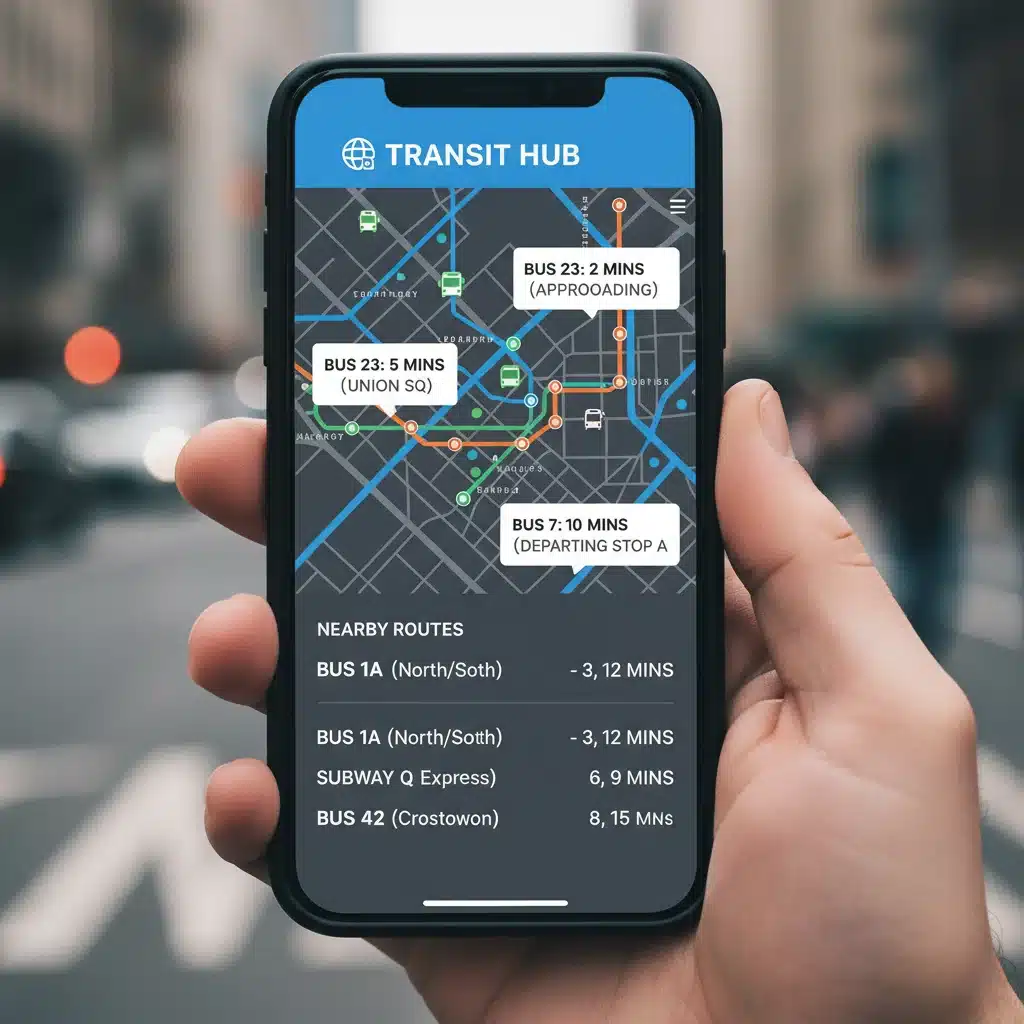
Smartphones are now indispensable tools for commuters. Dedicated transit apps provide real-time tracking, schedule updates, service alerts, and even predictive crowding information. These apps have revolutionized how people interact with US public transport, allowing for dynamic trip planning and informed decision-making. Familiarizing yourself with the local transit app for each city you visit is paramount.
2. Contactless Payments and Universal Fare Cards
The days of fumbling for change are largely over. Most major US public transport systems have adopted contactless payment methods, including tap-to-pay with credit/debit cards, mobile wallets (Apple Pay, Google Pay), and city-specific fare cards. Some cities are even moving towards universal fare cards that can be used across multiple transit agencies within a region, streamlining the payment process significantly.
3. Expansion of Light Rail and Rapid Transit Systems
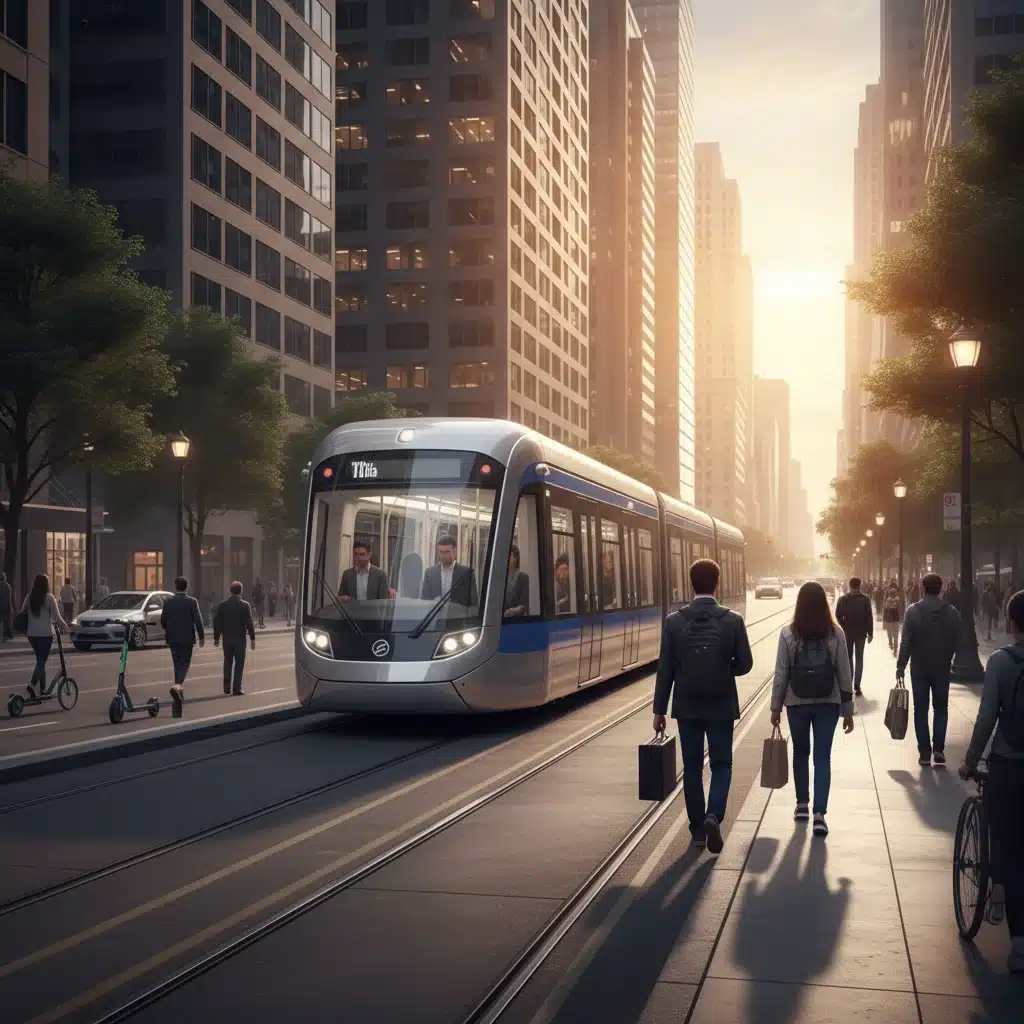
Light rail and bus rapid transit (BRT) networks continue to expand, offering efficient alternatives to traditional bus routes and heavy rail. These systems often feature dedicated lanes, fewer stops, and priority signaling, ensuring faster and more reliable service. Cities like Phoenix, Seattle, and Charlotte have seen significant growth in these areas, enhancing their overall US public transport offerings.
4. Focus on Sustainability and Electric Fleets
Environmental concerns are driving a rapid transition to electric buses and trains. Many cities have set ambitious goals to electrify their entire transit fleets, reducing noise pollution and greenhouse gas emissions. Commuters can increasingly expect quieter, cleaner rides as this trend accelerates across US public transport networks.
5. Micro-mobility Integration
Shared bikes, e-scooters, and even e-mopeds have become integral components of the urban transport ecosystem. These micro-mobility options serve as excellent ‘first and last mile’ solutions, bridging the gap between transit stops and your final destination. Many transit apps now integrate these services, allowing for seamless planning and payment.
Navigating Major US Public Transport Systems: City-Specific Insights
While the trends are universal, each city’s transit system has its unique characteristics. Here’s a glimpse into some of the major players in US public transport:
New York City: The Metropolitan Transportation Authority (MTA)
The MTA operates the largest public transportation network in North America, encompassing subways, buses, and commuter rail (LIRR and Metro-North). In 2026, expect further enhancements to the OMNY contactless payment system, making tap-and-go access even more prevalent. The Second Avenue Subway extension continues to improve connectivity on the East Side of Manhattan. Real-time subway tracking apps like ‘MYmta’ are essential for navigating this vast system.
Los Angeles: The Los Angeles County Metropolitan Transportation Authority (Metro)
LA Metro has been undergoing a massive expansion, particularly with its rail lines. By 2026, several new lines and extensions are expected to be operational or nearing completion, significantly improving connectivity across the sprawling city. The TAP card is your key to seamless travel across buses and trains. Metro’s commitment to the 2028 Olympics continues to drive infrastructure improvements, making US public transport in LA more robust than ever.
Chicago: The Chicago Transit Authority (CTA)
The CTA’s ‘L’ train system is iconic and highly efficient, complemented by an extensive bus network. Ventra card and contactless payments are standard. Look for continued modernization of older lines and stations, improving accessibility and comfort. The CTA is also a leader in adopting electric buses, contributing to cleaner air in the Windy City.
Washington D.C.: The Washington Metropolitan Area Transit Authority (WMATA)
Known for its distinctive subway architecture, the Metrorail system connects D.C. with its Maryland and Virginia suburbs. The SmartTrip card is essential, though contactless credit/debit payments are increasingly accepted. WMATA has been focusing on system reliability and safety upgrades, ensuring a smoother experience for daily commuters and tourists utilizing US public transport in the capital region.
San Francisco Bay Area: BART, Muni, and Regional Connections
The Bay Area’s transit is a mosaic of agencies. BART (Bay Area Rapid Transit) connects cities across the Bay, while Muni (San Francisco Municipal Railway) handles local transit within San Francisco (buses, streetcars, cable cars). The Clipper card is the region’s universal fare card, accepted on virtually all transit options. Integration efforts continue to simplify transfers between these various systems, making Bay Area US public transport more cohesive.
Boston: The Massachusetts Bay Transportation Authority (MBTA)
The ‘T’ (subway) and extensive bus and commuter rail network serve Greater Boston. The CharlieCard is the primary fare medium, with contactless options expanding. The MBTA is undertaking significant projects to upgrade its aging infrastructure, promising improved reliability and capacity across its lines. Navigating Boston’s historical layout with modern transit is a unique experience.
Seattle: Sound Transit and King County Metro
Seattle’s transit system has seen rapid expansion, particularly with its Link Light Rail, which connects downtown with the airport and rapidly growing neighborhoods. The ORCA card is the regional fare card. Seattle is a prime example of a city investing heavily in US public transport to keep pace with its booming population and tech industry. Expect more light rail extensions and improved bus services.
Tips for Seamless Travel on US Public Transport
- Download Local Transit Apps: Before you even arrive, download the official transit app for the city you’re visiting. Google Maps and Apple Maps also offer excellent transit planning features, often integrating real-time data.
- Get a Fare Card (or Use Contactless): If you plan to use transit frequently, investing in a city-specific fare card (e.g., OMNY, TAP, Ventra, SmartTrip, Clipper, ORCA) is often more cost-effective than single-ride tickets and allows for quicker boarding. Otherwise, ensure your credit/debit card supports contactless payments.
- Understand Peak vs. Off-Peak: Like any major system, US public transport experiences peak hours. If possible, travel during off-peak times to avoid crowds and potentially save on fares (some systems have variable pricing).
- Be Aware of Your Surroundings: While generally safe, it’s always wise to be aware of your personal belongings and surroundings, especially during late-night travel or in crowded areas.
- Plan Your Route in Advance: Even with real-time apps, having a general idea of your route, transfer points, and estimated travel time can reduce stress.
- Check for Service Alerts: Before heading out, quickly check the transit app or agency website for any delays, detours, or service interruptions that might affect your journey.
- Utilize Micro-mobility Options: For shorter distances or to connect to transit stops, consider bike-sharing or e-scooter services. Many cities have designated docking stations or free-floating fleets.
- Respect Transit Etiquette: Stand to the right on escalators, offer seats to those who need them, keep your volume down, and avoid blocking doorways. Common courtesy goes a long way.
- Accessibility Information: Most US public transport systems are ADA compliant. Check the agency’s website or app for specific information on accessible routes, stations, and vehicles if needed.
- Consider Multi-Modal Passes: Some cities offer daily, weekly, or monthly passes that cover multiple modes of transport, which can be a great value for frequent users.
The Future of US Public Transport: What’s Next?
Looking beyond 2026, the trajectory for US public transport is one of continued innovation and expansion. We can anticipate:
- Autonomous Transit: While still in pilot phases, autonomous shuttles and even larger vehicles are expected to become more common, particularly for fixed-route services in less dense areas or for last-mile connections.
- Hyperloop and High-Speed Rail: Projects like California High-Speed Rail and potential hyperloop routes are still in development, promising to revolutionize inter-city travel and connect major urban hubs at unprecedented speeds.
- Data-Driven Optimization: Advanced analytics and AI will play an even larger role in optimizing routes, schedules, and resource allocation, leading to more efficient and responsive transit services.
- Integrated Urban Planning: Public transit will be even more deeply integrated into urban development, with transit-oriented developments (TODs) becoming the norm, creating vibrant, walkable communities centered around transit hubs.
- Personalized Mobility: MaaS platforms will become more sophisticated, offering personalized recommendations and dynamic routing based on individual preferences, real-time conditions, and even carbon footprint goals.
Challenges and Opportunities
Despite the advancements, US public transport faces ongoing challenges. Funding remains a perennial issue, requiring sustained investment from federal, state, and local governments. Equity in access is another critical concern, ensuring that transit services reach all communities, particularly underserved populations. Workforce development, cybersecurity, and adapting to climate change impacts also present significant hurdles that agencies are actively addressing.
However, these challenges are met with immense opportunities. The growing public awareness of climate change, the desire for reduced traffic congestion, and the economic benefits of efficient transit are powerful drivers for continued progress. As remote work trends stabilize, the role of public transit in connecting people to essential services, leisure activities, and diverse neighborhoods becomes even more pronounced.
The shift towards a multimodal future means that US public transport is not just about buses and trains anymore. It’s about creating a holistic ecosystem where walking, cycling, ride-sharing, and traditional transit seamlessly complement each other. This integration is crucial for creating truly livable and sustainable cities.
Conclusion: Embrace the Ride
In 2026, navigating US public transport is an experience that blends tradition with cutting-edge technology. From the historic subways of New York to the expanding light rail networks of the West Coast, urban transit systems are more connected, accessible, and user-friendly than ever before. By leveraging digital tools, understanding local systems, and embracing sustainable travel choices, you can unlock the full potential of urban exploration and commuting.
Whether you’re a daily commuter, a business traveler, or a curious tourist, take the time to familiarize yourself with the incredible resources available. Embrace the convenience, cost-effectiveness, and environmental benefits of US public transport. Your journey through America’s vibrant cities will be richer and more rewarding for it. Happy travels!