Decoding Your Utility Bill: 3 Steps to Reduce Energy Consumption by 15% This Quarter
Decoding Your Utility Bill: 3 Steps to Reduce Energy Consumption by 15% This Quarter
Are you tired of skyrocketing utility bills? Do you feel like you’re constantly paying more for energy without truly understanding why? You’re alone. Many homeowners and renters find themselves in a similar predicament, staring at complex utility statements with a sense of helplessness. The good news is that understanding your utility bill is the first crucial step towards gaining control over your energy consumption and, more importantly, reducing it. In this comprehensive guide, we’ll walk you through how to decode your utility bill and, more importantly, provide you with three actionable steps to significantly reduce energy consumption by a remarkable 15% this quarter. This isn’t just about saving money; it’s about fostering a more sustainable lifestyle and contributing to a healthier planet.
The journey to lower energy bills begins with knowledge. Think of your utility bill as a detailed report card of your household’s energy habits. Once you learn to interpret its various sections, you can identify areas of high consumption and target them effectively. Our goal is to empower you with the tools and strategies needed to make informed decisions that translate into tangible savings.
Understanding Your Utility Bill: The Foundation of Reducing Energy Consumption
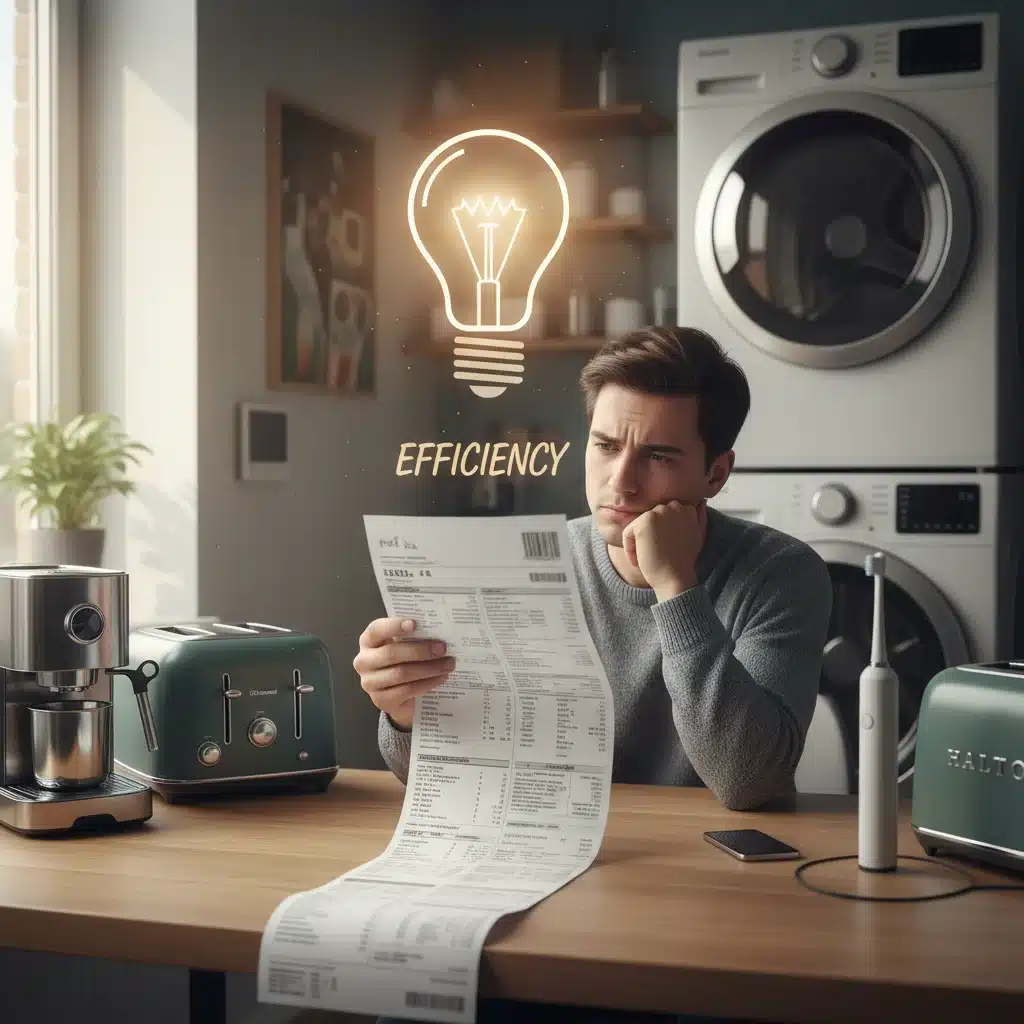
Before we dive into reduction strategies, let’s demystify your utility bill. While layouts vary by provider, most bills share common elements. Knowing what each section represents is paramount to identifying where your energy is going.
Key Sections of Your Utility Bill:
- Account Information: Your name, address, account number, and service period. Always double-check this for accuracy.
- Billing Summary: An overview of your charges, including previous balance, payments, new charges, and total amount due. This gives you a quick snapshot.
- Usage Details: This is where the real insights lie. You’ll find your total energy consumption (measured in kilowatt-hours, or kWh, for electricity; therms or CCFs for natural gas; gallons for water). Often, there’s a graph showing your usage history, which is incredibly useful for spotting trends. Pay close attention to this section to understand your baseline reduce energy consumption levels.
- Rate Information: Details about how your energy is priced. This could be a flat rate, tiered rates (where the price per unit increases after a certain usage threshold), or time-of-use rates (where prices vary depending on the time of day). Understanding your rate structure is key to optimizing your usage.
- Charges Breakdown: This usually lists different components of your bill, such as generation charges (cost of producing electricity), transmission and distribution charges (cost of delivering it to your home), taxes, and various fees (e.g., customer charge, energy efficiency programs).
- Comparisons: Many bills now include comparisons to previous months, the same month last year, or even average usage among similar homes. These comparisons can highlight significant changes in your habits or the effectiveness of any energy-saving measures you’ve implemented to reduce energy consumption.
- Messages & Tips: Your utility provider often includes important notices, energy-saving tips, or information about assistance programs. Don’t overlook this section!
By regularly reviewing these sections, you’ll start to notice patterns. Is your electricity usage spiking in the summer due to air conditioning? Does your gas bill soar in winter? These observations are the first step towards formulating a targeted plan to reduce energy consumption.
Step 1: Conduct a Home Energy Audit – Identify Your Energy Vampires
The first and most critical step to effectively reduce energy consumption is to understand where and how your home is using energy. A home energy audit, whether professional or DIY, helps you pinpoint inefficiencies and ‘energy vampires’ – appliances or areas that are consuming more energy than necessary.
DIY Home Energy Audit:
- Lighting Check: Walk through your home and note all light bulbs. Are they still incandescent? Switching to LED bulbs can significantly reduce energy consumption for lighting, as they use up to 90% less energy and last much longer.
- Appliance Assessment: List all your major appliances (refrigerator, oven, washing machine, dryer, dishwasher, TV, computers). Research their typical energy consumption. Old appliances, especially refrigerators and freezers, can be massive energy hogs. Consider using a ‘kill-a-watt’ meter to measure the actual energy usage of individual devices, particularly those that are always plugged in.
- Insulation and Drafts: This is a big one. Poor insulation in walls, attics, and floors allows heat to escape in winter and enter in summer, forcing your HVAC system to work harder. Check for drafts around windows and doors by feeling for air movement or using an incense stick. Seal any gaps with weatherstripping or caulk. Don’t forget outlets and switch plates, which can also be sources of drafts.
- Water Heater Efficiency: Your water heater is a significant energy user. Check its temperature setting; most don’t need to be above 120°F (49°C). Insulate older water heaters and their pipes to prevent heat loss.
- HVAC System Inspection: When was your furnace or AC last serviced? Dirty filters restrict airflow, making the system work harder and consume more energy. Regular maintenance ensures optimal efficiency.
- Phantom Loads: Many electronics consume power even when turned off or in standby mode. These are known as ‘phantom loads’ or ‘vampire power.’ Unplug chargers, TVs, computers, and other electronics when not in use, or connect them to power strips that you can easily switch off.
Document your findings. Create a checklist or spreadsheet to track potential problem areas. This audit provides a clear roadmap for where to focus your efforts to reduce energy consumption by 15% or more.
Professional Energy Audit:
For a more in-depth analysis, consider hiring a certified energy auditor. They use specialized tools like blower doors (to measure air leakage) and infrared cameras (to detect insulation gaps) to provide a comprehensive report and recommend specific improvements. While there’s an upfront cost, the long-term savings can often outweigh it.
Step 2: Implement Smart Energy-Saving Habits and Technologies
Once you’ve identified your energy inefficiencies, the next step is to implement changes. This involves a combination of behavioral adjustments and strategic technology upgrades designed to reduce energy consumption.
Behavioral Changes for Immediate Impact:
- Optimize Thermostat Settings: Adjust your thermostat a few degrees cooler in winter and warmer in summer. Even a 1-degree change can make a noticeable difference. Consider programming it to adjust when you’re away or asleep.
- Mindful Lighting: Turn off lights when leaving a room. Utilize natural daylight whenever possible. Open curtains and blinds during the day.
- Laundry Habits: Wash clothes in cold water whenever possible – most detergents are effective in cold water. Air-dry clothes on a line or rack to avoid using the dryer, which is an energy-intensive appliance. If you must use a dryer, clean the lint trap before each load for better efficiency.
- Dishwasher Use: Run your dishwasher only when it’s full. Use the air-dry setting instead of heated drying.
- Cooking Smart: Use lids on pots and pans to retain heat. Use smaller appliances like microwaves or toaster ovens for small meals, as they are often more energy-efficient than a full-sized oven.
- Water Conservation: Take shorter showers. Fix leaky faucets immediately. These actions directly impact your water bill and the energy used to heat that water.
These small, consistent changes can collectively have a significant impact on your overall energy usage and help you to reduce energy consumption.
Technology Upgrades for Long-Term Savings:
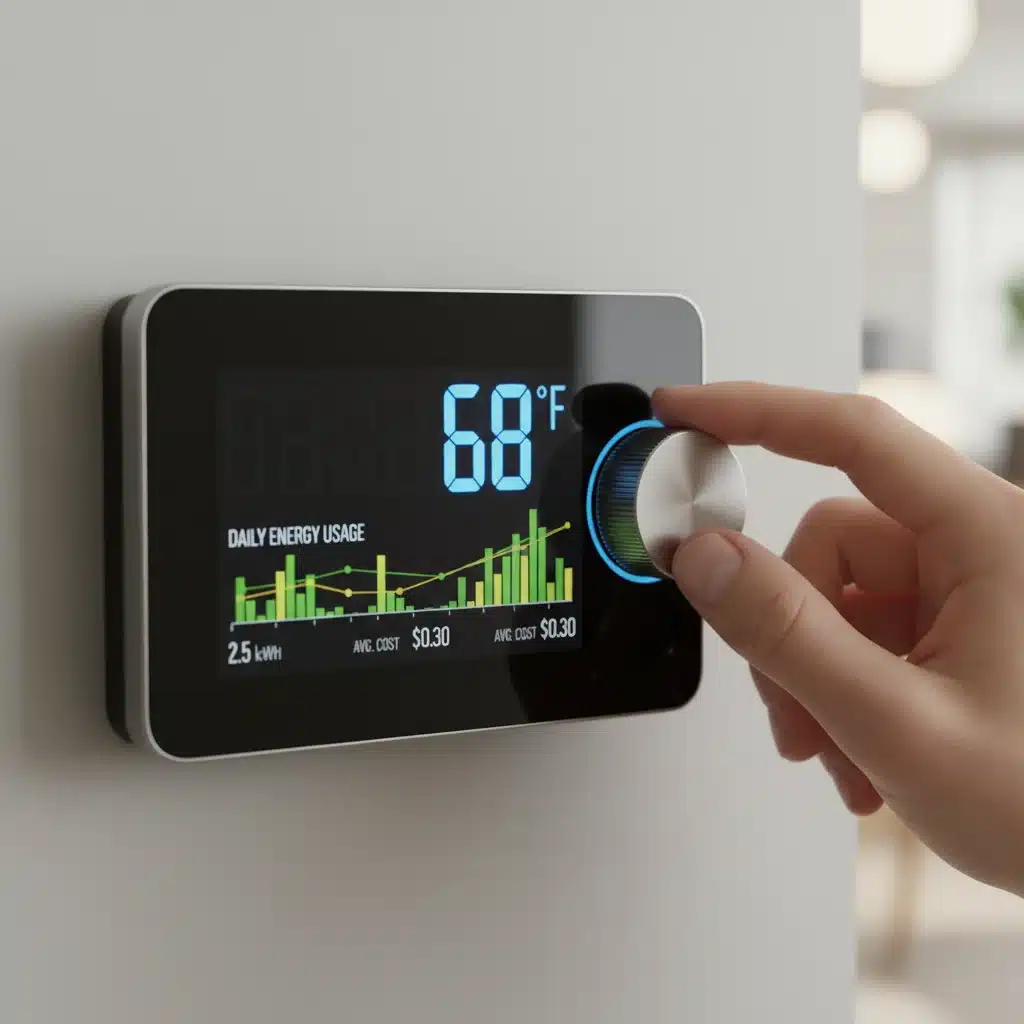
- Smart Thermostats: Devices like Nest or Ecobee learn your schedule and preferences, automatically adjusting temperatures to optimize energy use. Many allow remote control via smartphone, giving you greater flexibility and control over your home’s climate, directly helping to reduce energy consumption.
- LED Lighting: As mentioned in the audit, replacing old incandescent or CFL bulbs with LEDs is one of the quickest ways to save energy. LEDs are available in various brightness levels and color temperatures.
- Energy-Efficient Appliances: When it’s time to replace an old appliance, look for ENERGY STAR certified models. These appliances are designed to use less energy, often significantly less, than standard models.
- Smart Power Strips: These strips can detect when devices are not in use and cut power to them, eliminating phantom loads without requiring you to manually unplug everything.
- Window Treatments: High-quality curtains, blinds, or shades can help insulate your windows, keeping heat out in summer and in during winter.
- Low-Flow Fixtures: Installing low-flow showerheads and aerators on faucets reduces water consumption without sacrificing pressure, thereby reducing the energy needed to heat water.
Prioritize upgrades based on your audit findings and budget. Even a few strategic investments can yield substantial returns in energy savings and help you reduce energy consumption.
Step 3: Monitor, Adjust, and Continuously Improve
Reducing energy consumption isn’t a one-time event; it’s an ongoing process. The third step involves regularly monitoring your progress, making adjustments as needed, and continuously looking for new ways to improve your home’s energy efficiency.
Track Your Progress:
- Review Utility Bills Monthly: Go back to your decoded utility bill. Compare your current usage to previous months and the same month last year. Are you seeing the 15% reduction you aimed for? Identify what strategies are working and which might need tweaking.
- Use Smart Meter Data: Many utility companies now offer online portals or apps that provide detailed, near real-time energy usage data from your smart meter. This can be incredibly insightful, allowing you to see the impact of specific actions (e.g., how much energy was saved by turning off lights for an hour, or the spike caused by running the dryer).
- Keep an Energy Log: Jot down when you make changes (e.g., ‘Installed LED bulbs in living room on X date,’ ‘Started air-drying clothes on Y date’). This helps you correlate specific actions with changes in your utility bill.
Make Adjustments:
If you’re not meeting your 15% reduction goal, don’t get discouraged. Revisit your audit and your implemented strategies:
- Re-evaluate High-Usage Areas: Are there still ‘energy vampires’ you missed? Could a particular appliance be malfunctioning or less efficient than you thought?
- Optimize Settings: Double-check thermostat schedules, water heater temperatures, and appliance settings. Small adjustments can often lead to further savings.
- Consider More Significant Upgrades: If drafts are still an issue, perhaps it’s time to invest in professional sealing or new windows. If your old HVAC system is struggling, a high-efficiency replacement might be a wise long-term investment.
Continuous Improvement for Sustainable Reduce Energy Consumption:
- Stay Informed: Energy efficiency technology is constantly evolving. Keep an eye out for new products or methods that could further enhance your home’s performance.
- Seasonal Adjustments: Energy usage patterns change with the seasons. What works in summer might not be optimal for winter. Be prepared to adapt your strategies.
- Educate Your Household: Ensure everyone in your home understands the importance of energy conservation and participates in the efforts to reduce energy consumption. A collective effort yields the best results.
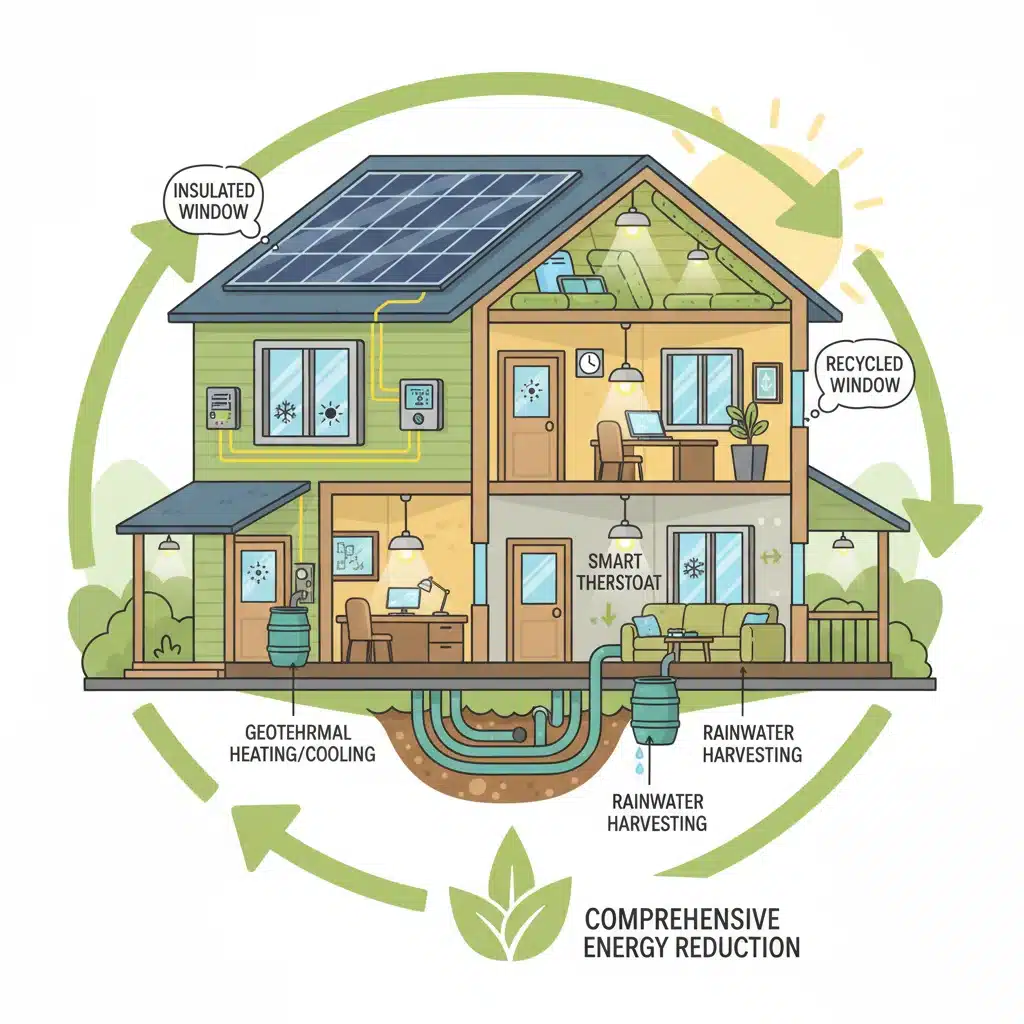
- Explore Renewable Energy: For those looking to take their energy savings to the next level, consider exploring options like solar panels. While a larger investment, they can dramatically reduce or even eliminate your reliance on grid electricity.
By making monitoring and adjustment a regular part of your routine, you create a feedback loop that continually refines your approach to energy management. This proactive stance ensures that you not only meet your 15% reduction target but potentially exceed it, leading to even greater savings and a smaller environmental footprint.
Beyond the 15%: Long-Term Benefits of Reducing Energy Consumption
Achieving a 15% reduction in your energy consumption this quarter is an excellent short-term goal, but the benefits extend far beyond immediate savings. By embedding these practices into your lifestyle, you unlock a wealth of long-term advantages:
- Significant Financial Savings: Consistently lower utility bills free up funds for other priorities, whether it’s paying down debt, saving for a vacation, or investing in further home improvements. Over years, these savings compound into substantial amounts.
- Increased Home Comfort: Addressing issues like drafts and poor insulation not only saves energy but also makes your home more comfortable year-round. Fewer cold spots in winter and better cooling in summer contribute to a more pleasant living environment.
- Environmental Impact: Every unit of energy saved reduces your carbon footprint. Lower energy demand means less reliance on fossil fuels, contributing to cleaner air and a healthier planet. Your efforts to reduce energy consumption play a direct role in combating climate change.
- Increased Home Value: Energy-efficient homes are increasingly attractive to buyers. Upgrades like new windows, improved insulation, and high-efficiency HVAC systems can boost your property’s market value.
- Extended Appliance Lifespan: When appliances operate more efficiently, they often experience less wear and tear, potentially extending their lifespan and delaying the need for costly replacements.
- Greater Energy Independence: By reducing your overall consumption, you become less susceptible to fluctuations in energy prices and potential supply disruptions.
The commitment to reduce energy consumption is a win-win situation. It benefits your wallet, your home, and the environment. It’s a journey of continuous improvement that yields rewards for years to come.
Conclusion: Empowering Your Energy Future
Decoding your utility bill might seem daunting at first, but with the right approach, it transforms into a powerful tool for financial and environmental stewardship. By following these three steps – conducting a thorough home energy audit, implementing smart energy-saving habits and technologies, and continuously monitoring and adjusting your efforts – you are well on your way to achieving, and even surpassing, your goal of a 15% reduction in energy consumption this quarter.
Remember, every small change adds up. From unplugging phantom loads to investing in a smart thermostat, each action contributes to a more efficient, comfortable, and sustainable home. Take control of your energy future today, and start reaping the benefits of a smarter, greener lifestyle. The power to reduce energy consumption is literally in your hands.