Mastering Consistent Exercise: Your Guide to 30 Minutes Daily Activity by 2026

Mastering Consistent Exercise: Your Guide to 30 Minutes Daily Activity by 2026
In our fast-paced world, the pursuit of health and well-being often takes a backseat to demanding schedules and daily responsibilities. Yet, the importance of physical activity remains paramount for a vibrant, energetic, and long-term healthy life. This article is your definitive guide to developing a consistent exercise routine, with the ambitious yet achievable goal of integrating 30 minutes of daily activity into your life by March 2026. We will delve into practical strategies, psychological insights, and actionable steps to help you build an exercise habit that sticks.
The journey to a consistent exercise routine isn’t about sudden, drastic changes; it’s about sustainable, incremental progress. It’s about understanding your body, your motivations, and the obstacles that stand in your way. By the end of this comprehensive guide, you’ll have a roadmap to transform your intentions into lasting habits, ensuring that physical activity becomes an enjoyable and integral part of your everyday existence.
Why a Consistent Exercise Routine Matters More Than Ever
Before we dive into the ‘how,’ let’s reaffirm the ‘why.’ The benefits of a consistent exercise routine extend far beyond physical appearance. Regular physical activity is a powerful antidote to many modern ailments and a cornerstone of overall well-being. It’s not just about looking good; it’s about feeling good, living longer, and enjoying a higher quality of life.
- Physical Health: Regular exercise significantly reduces the risk of chronic diseases such as heart disease, type 2 diabetes, certain cancers, and osteoporosis. It helps manage weight, lowers blood pressure, improves cholesterol levels, and strengthens your immune system.
- Mental and Emotional Well-being: Physical activity is a potent stress reliever. It boosts mood, reduces symptoms of depression and anxiety, and improves cognitive function, including memory and focus. The endorphins released during exercise act as natural mood elevators, fostering a sense of well-being and accomplishment.
- Improved Sleep: A consistent exercise routine can lead to better sleep quality. By expending energy during the day, your body is more ready for restful sleep at night, which is crucial for recovery and overall health.
- Increased Energy Levels: Counterintuitively, regular exercise increases your energy levels. It improves cardiovascular health, allowing your heart and lungs to work more efficiently, delivering more oxygen and nutrients to your tissues.
- Enhanced Longevity: Studies consistently show that individuals who engage in regular physical activity tend to live longer and healthier lives, experiencing fewer age-related declines in physical and cognitive function.
Understanding these profound benefits serves as a powerful motivator. When you commit to a consistent exercise routine, you’re not just carving out time for a workout; you’re investing in a healthier, happier, and more productive future.
Setting Your Target: 30 Minutes Daily by March 2026
The goal of 30 minutes of daily activity by March 2026 is specific, measurable, achievable, relevant, and time-bound (SMART). This long-term perspective allows for gradual progress and avoids the burnout often associated with unrealistic expectations. Thirty minutes of moderate-intensity activity is the widely recommended minimum for significant health benefits, and achieving this daily can truly transform your health landscape.
Deconstructing the Goal: What Does ’30 Minutes Daily’ Mean?
The beauty of ’30 minutes daily’ is its flexibility. It doesn’t necessarily mean one continuous block of intense exercise. It can be accumulated throughout the day. For example:
- Three 10-minute brisk walks
- Two 15-minute home workouts
- A 30-minute bike ride
- A combination of active chores and a short exercise session
The key is moderate intensity, meaning you can talk but not sing during the activity. This approach makes integrating a consistent exercise routine into even the busiest schedules much more feasible.
Phase 1: Building the Foundation (Now – September 2024)
The initial phase is all about establishing a baseline and making exercise a non-negotiable part of your week. Don’t aim for perfection; aim for presence.
1. Self-Assessment and Realistic Starting Points
Before you begin, honestly assess your current activity level, physical capabilities, and time constraints. If you’re completely new to exercise or returning after a long break, start small. Even 5-10 minutes of activity a few times a week is a significant improvement and helps build momentum for a consistent exercise routine.
- Identify Your ‘Why’: What truly motivates you? Is it better health, increased energy, stress reduction, or something else? Keep this ‘why’ at the forefront of your mind.
- Consult a Professional: If you have underlying health conditions, consult your doctor before starting any new exercise program.
2. Experiment and Discover What You Enjoy
The single most important factor in maintaining a consistent exercise routine is enjoyment. If you dread your workouts, you’re unlikely to stick with them. Explore different activities:
- Walking, jogging, running
- Cycling, swimming
- Dancing, yoga, Pilates
- Team sports, martial arts
- Strength training, bodyweight exercises
Try various options until you find something that sparks joy or at least feels tolerable and sustainable. Remember, variety can also be key to long-term adherence.
3. Schedule Your Workouts Like Important Appointments
Don’t leave exercise to chance. Block out specific times in your calendar for physical activity. Treat these appointments with the same respect you would a work meeting or a doctor’s visit. This commitment fosters a sense of responsibility and makes your consistent exercise routine a priority.
4. Start Small and Build Gradually
Begin with a manageable amount of activity. If you’re currently sedentary, start with 10-15 minutes of brisk walking three times a week. Once that feels comfortable, gradually increase the duration, frequency, or intensity. This progressive overload principle is crucial for sustainable progress and preventing injury, ensuring your consistent exercise routine is built on a solid foundation.
Phase 2: Integrating and Expanding (October 2024 – September 2025)
With a foundational habit in place, this phase focuses on increasing your activity levels and making exercise an indispensable part of your lifestyle.
1. Incorporate Activity into Your Daily Life
Look for opportunities to move more outside of dedicated workout sessions. These ‘activity snacks’ contribute significantly to your 30-minute daily goal and reinforce a mindset of continuous movement, supporting a more consistent exercise routine.
- Take the stairs instead of the elevator.
- Park further away from your destination.
- Walk or bike for short errands.
- Take active breaks during work (stretching, walking around).
- Do chores with more vigor (gardening, cleaning).
2. Set Mini-Goals and Track Your Progress
Break down your ultimate goal into smaller, more manageable milestones. For example, aim for 20 minutes of activity four times a week, then 25 minutes five times a week, and so on. Use a fitness tracker, a journal, or an app to monitor your progress. Seeing how far you’ve come is incredibly motivating and reinforces your commitment to a consistent exercise routine.
3. Find an Accountability Partner or Community
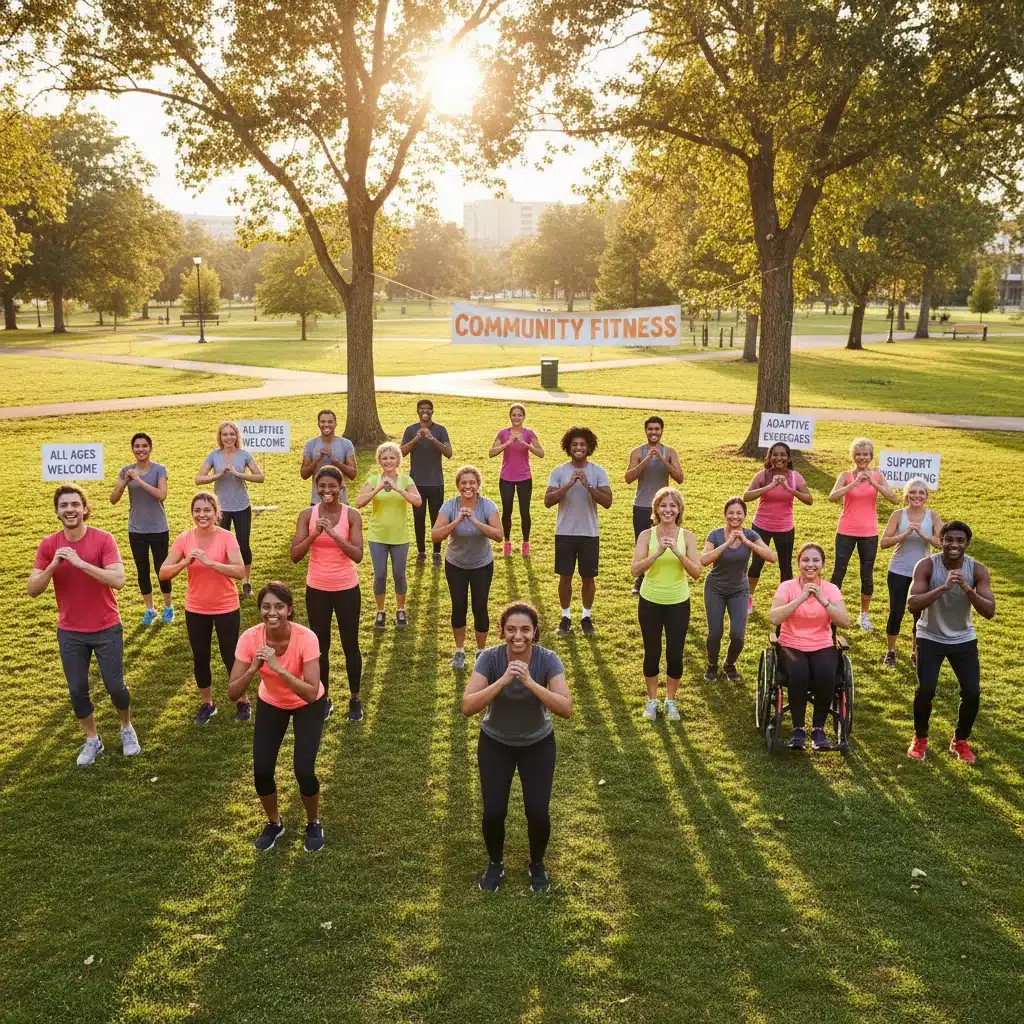
Exercising with a friend, family member, or joining a fitness group can provide invaluable support and motivation. Knowing someone is expecting you can be a powerful incentive to show up, even on days when your motivation wanes. A supportive community can make your journey to a consistent exercise routine more enjoyable and sustainable.
4. Prioritize Recovery and Listen to Your Body
Consistency doesn’t mean pushing yourself to exhaustion every day. Adequate rest, sleep, and proper nutrition are just as important as the workouts themselves. Listen to your body’s signals. If you’re feeling overly fatigued or sore, take a rest day or engage in lighter activity like gentle stretching or a leisurely walk. Overtraining can lead to injury and burnout, derailing your efforts to build a consistent exercise routine.
Phase 3: Sustaining and Optimizing (October 2025 – March 2026)
By this stage, you should have a well-established habit. This phase is about refining your routine, overcoming advanced hurdles, and ensuring long-term adherence.
1. Diversify Your Workouts to Prevent Plateaus and Boredom
Once you’ve achieved a consistent baseline, consider adding variety to challenge your body in new ways and keep things interesting. Incorporate different types of exercise (e.g., strength training, cardio, flexibility) to work different muscle groups and prevent boredom. This keeps your consistent exercise routine fresh and engaging.
2. Plan for Obstacles and Develop Coping Strategies
Life happens. There will be days when you’re sick, traveling, or overwhelmed. Instead of letting these events derail your entire routine, have a plan. Can you do a short bodyweight workout in your hotel room? Can you take a brisk walk instead of your usual run? Flexibility is key to maintaining a consistent exercise routine through life’s ups and downs.
- ‘If-Then’ Planning: "If I’m too busy for a full workout, then I will do 15 minutes of stretching."
- Travel Workouts: Research hotel gyms or local parks before you travel.
- Sickness Protocol: Prioritize rest, but consider gentle movement once you feel better.
3. Celebrate Milestones and Reward Yourself
Acknowledge your progress and celebrate your achievements, big and small. This positive reinforcement strengthens the habit loop and keeps you motivated. Rewards don’t have to be food-related; they could be new workout gear, a massage, a relaxing bath, or a new book. This reinforces the positive association with your consistent exercise routine.
4. Focus on Intrinsic Motivation
While external rewards can be helpful initially, the most powerful motivation comes from within. Focus on how exercise makes you feel – more energetic, less stressed, stronger, more confident. These intrinsic rewards are what will truly sustain your consistent exercise routine in the long run.
Overcoming Common Hurdles to a Consistent Exercise Routine
Even with the best intentions, challenges will arise. Here’s how to tackle them:
1. Lack of Time
- Break it Up: Remember the 10-minute segments.
- Morning Workouts: Get it done before other demands arise.
- Efficiency: High-intensity interval training (HIIT) can deliver results in less time.
- Integrate: Make movement part of your daily commute or errands.
2. Lack of Motivation
- Revisit Your ‘Why’: Remind yourself of the benefits.
- Find an Enjoyable Activity: If you hate it, you won’t do it.
- Accountability: Work out with a friend or join a class.
- Rewards: Small, non-food rewards can keep you going.
- Variety: Change up your routine to prevent boredom.
3. Fatigue and Low Energy
- Prioritize Sleep: Adequate rest is crucial.
- Nutrient-Rich Diet: Fuel your body properly.
- Listen to Your Body: Some days call for active recovery or rest.
- Start Small: Even a short walk can boost energy.
4. Injury or Pain
- Consult a Professional: See a doctor or physical therapist.
- Modify: Adapt your exercises to avoid pain.
- Cross-Train: Engage in activities that don’t aggravate the injury.
- Focus on Recovery: Allow your body time to heal.
Making It Stick: The Psychology of Habit Formation
Building a consistent exercise routine is fundamentally about habit formation. Understanding the science behind habits can significantly increase your chances of success.
1. The Habit Loop: Cue, Routine, Reward
Charles Duhigg, in ‘The Power of Habit,’ describes a three-part loop:
- Cue: A trigger that tells your brain to go into automatic mode (e.g., waking up, seeing your gym bag, a specific time of day).
- Routine: The behavior itself (e.g., going for a run, doing a home workout).
- Reward: The positive feeling or outcome that reinforces the behavior (e.g., endorphin rush, sense of accomplishment, improved mood).
Identify your cues and rewards, and consciously link them to your exercise routine.
2. Environment Design
Make it easier to exercise and harder not to. Lay out your workout clothes the night before, keep your gym bag by the door, or set up a dedicated workout space at home. Remove friction points that might prevent you from engaging in your consistent exercise routine.
3. Identity-Based Habits
Instead of focusing on what you want to achieve, focus on who you want to become. "I am a person who exercises daily" is more powerful than "I want to exercise daily." When your actions align with your identity, consistency becomes much easier.
4. The Power of Small Wins
Don’t underestimate the impact of consistently showing up, even if it’s for a short session. Each time you complete a workout, you cast a vote for the type of person you want to be. These small wins accumulate and build self-efficacy, making your consistent exercise routine feel more natural and ingrained.
The Role of Nutrition and Hydration in Your Exercise Journey
While this article focuses on exercise, it’s impossible to discuss a healthy lifestyle without mentioning nutrition and hydration. They are symbiotic partners in your journey to a consistent exercise routine and overall well-being.
- Fuel Your Body: A balanced diet rich in whole foods, lean proteins, complex carbohydrates, and healthy fats provides the energy needed for workouts and aids in recovery.
- Stay Hydrated: Water is essential for every bodily function, including regulating body temperature, lubricating joints, and transporting nutrients. Dehydration can lead to fatigue, reduced performance, and increased risk of injury. Aim to drink plenty of water throughout the day, especially before, during, and after exercise.
- Post-Workout Recovery: Consuming a combination of protein and carbohydrates after a workout helps repair muscle tissue and replenish glycogen stores, optimizing recovery and preparing you for your next session.
Conclusion: Your Path to a Healthier, More Active Future
Achieving a consistent exercise routine of 30 minutes daily by March 2026 is an ambitious yet entirely attainable goal. It requires patience, self-awareness, strategic planning, and a commitment to incremental progress. By understanding the profound benefits of exercise, setting SMART goals, exploring enjoyable activities, and leveraging the psychology of habit formation, you can transform your relationship with physical activity.
Remember, consistency trump