Decoding the 2026 Federal Budget: Where Your Tax Dollars Go
Every year, the federal budget is a topic of intense discussion, debate, and scrutiny. It’s the nation’s financial blueprint, outlining how the government plans to raise and spend money to address the country’s needs and priorities. For many citizens, however, the sheer volume of information and the complexity of the figures can be overwhelming, making it difficult to understand exactly where their hard-earned tax dollars are going. The 2026 Federal Budget is no exception, presenting a multifaceted plan that touches every aspect of American life, from healthcare and education to national defense and infrastructure. Understanding this budget is not just for economists or politicians; it’s crucial for every citizen to grasp the implications of these financial decisions on their daily lives and the future of the nation.
This comprehensive guide aims to demystify the 2026 Federal Budget, breaking down its key components, major spending categories, and anticipated impacts. We’ll delve into the intricacies of fiscal policy, explore the rationale behind significant allocations, and highlight the areas that are expected to see the most substantial changes. By the end of this article, you will have a clearer picture of how government spending is structured, the priorities it reflects, and what it means for you as a taxpayer and a resident of this country. The goal is to provide a digestible yet thorough analysis, empowering you with the knowledge to engage more meaningfully with discussions about national finances.
The Blueprint: An Overview of the 2026 Federal Budget
The 2026 Federal Budget is more than just a list of numbers; it’s a strategic document that reflects the administration’s vision for the country. It details projected revenues from various sources, primarily taxes, and outlines proposed expenditures across a vast array of federal programs and agencies. Typically, the budget is divided into two main categories: mandatory spending and discretionary spending. Mandatory spending includes programs like Social Security, Medicare, and Medicaid, which are established by existing laws and do not require annual appropriation acts. These programs constitute a significant portion of the budget and are often the subject of long-term fiscal debates due to their growing costs and demographic pressures.
Discretionary spending, on the other hand, is what Congress decides to spend each year through appropriation bills. This category covers everything from national defense and education to scientific research and environmental protection. The 2026 Federal Budget proposes specific allocations within this discretionary sphere, signaling the administration’s immediate priorities and policy objectives. Understanding the balance between mandatory and discretionary spending is key to comprehending the flexibility, or lack thereof, that policymakers have in shaping the nation’s financial future. The budget also includes projections for the national debt, deficits, and economic growth, providing a holistic view of the nation’s fiscal health.
One of the primary objectives of any federal budget is to ensure economic stability and growth. The 2026 Federal Budget is crafted with this in mind, aiming to stimulate economic activity, create jobs, and maintain a competitive edge in the global market. It also addresses critical social issues, aiming to improve the quality of life for all citizens through investments in public services and social safety nets. The sheer scale of the budget, often running into trillions of dollars, underscores the immense responsibility involved in its formulation and execution. Every dollar allocated represents a choice, a trade-off, and an investment in a particular future. Therefore, a careful examination of the budget’s foundational principles and overall structure is the first step toward a deeper understanding of its impact.
Key Spending Areas: Where Your Tax Dollars Are Invested
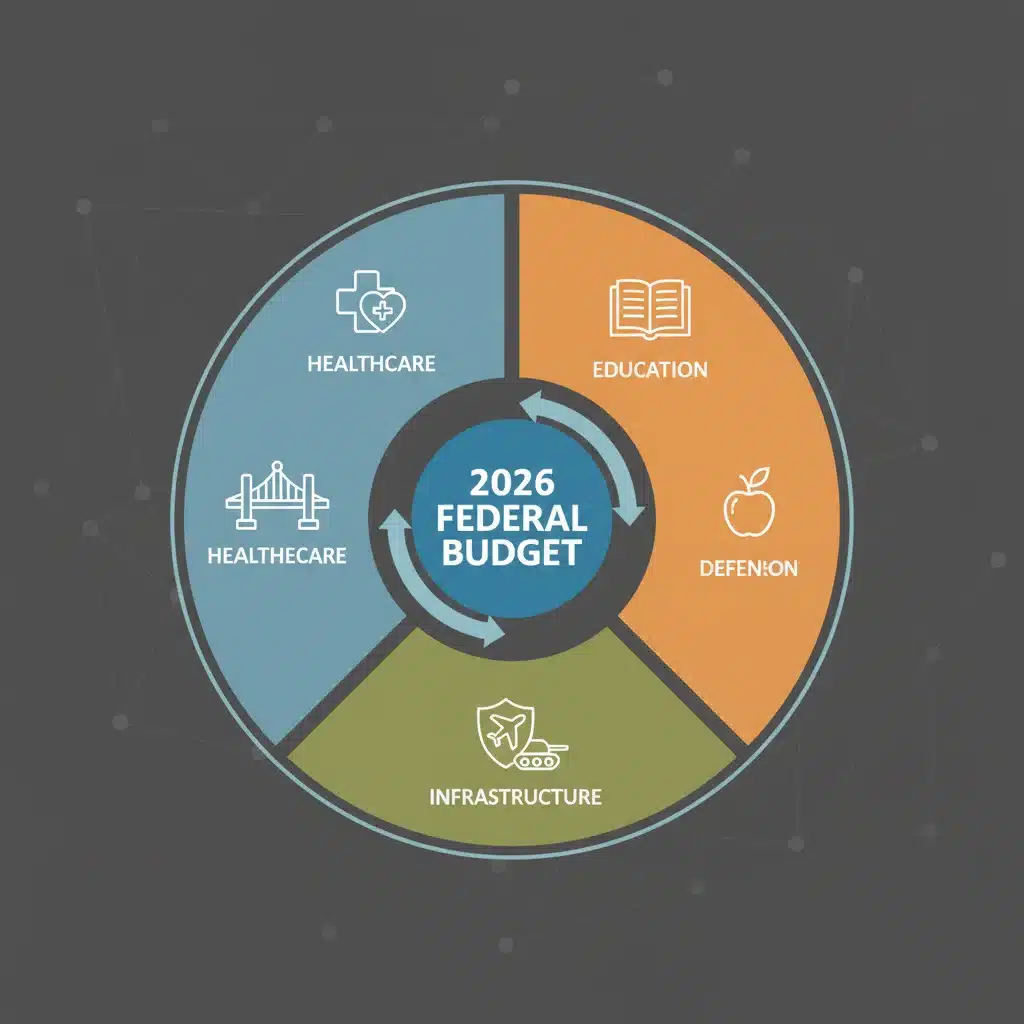
When we talk about the 2026 Federal Budget, it’s essential to break down the major categories of spending to see where the bulk of your tax dollars are directed. These categories represent the core functions of the federal government and reflect the nation’s most pressing priorities. While the exact percentages can shift year to year, certain areas consistently receive significant funding.
National Defense and Security
National defense remains a cornerstone of federal spending. The 2026 Federal Budget is expected to allocate a substantial portion to the Department of Defense, covering military operations, personnel salaries, research and development of new technologies, and maintenance of defense infrastructure. This includes funding for all branches of the armed forces, intelligence agencies, and cybersecurity initiatives. The aim is to ensure national security, protect U.S. interests abroad, and maintain military readiness in a complex global landscape. Debates around defense spending often center on the balance between maintaining a strong military and allocating resources to domestic needs.
Healthcare and Social Security
These two areas represent the largest components of mandatory spending and are critical for the well-being of millions of Americans. The 2026 Federal Budget will continue to fund Medicare, which provides health insurance for seniors and some younger people with disabilities, and Medicaid, which offers healthcare coverage to low-income individuals and families. Social Security, providing retirement, disability, and survivor benefits, is another massive expenditure. The sustainability of these programs in the face of an aging population and rising healthcare costs is a perennial challenge, and the budget will likely reflect ongoing efforts to address these long-term fiscal pressures. Understanding the mechanisms behind these programs is crucial for appreciating their financial demands.
Education and Research
Investing in human capital and innovation is another key focus. The 2026 Federal Budget will likely propose significant allocations for education, ranging from K-12 programs to higher education initiatives, including student aid and research grants. Funding for scientific research across various fields, from medicine to space exploration, is also a vital component. These investments are seen as crucial for fostering economic growth, technological advancement, and maintaining the nation’s competitive edge. The impact of these expenditures extends far beyond the classroom, influencing everything from public health to industrial innovation.
Infrastructure and Transportation
Modernizing the nation’s infrastructure is often a bipartisan priority. The 2026 Federal Budget is expected to include substantial funding for repairing and upgrading roads, bridges, public transit systems, airports, and ports. Additionally, investments in broadband internet expansion, water infrastructure, and renewable energy projects are likely to feature prominently. These investments are designed to improve economic efficiency, create jobs, and enhance the quality of life for communities across the country. The long-term benefits of robust infrastructure are undeniable, supporting commerce, travel, and overall societal function.

Environmental Protection and Energy
Addressing climate change and promoting sustainable practices are increasingly important. The 2026 Federal Budget will likely allocate resources to environmental protection agencies, clean energy initiatives, conservation efforts, and climate research. This includes funding for regulatory enforcement, development of renewable energy sources, and programs aimed at reducing carbon emissions. These expenditures reflect a commitment to safeguarding natural resources and transitioning towards a more sustainable future. The balance between economic development and environmental stewardship is a constant consideration in budget planning.
Revenue Streams: How the Government Funds the 2026 Federal Budget
Understanding where the money goes is only half the picture; it’s equally important to know where the money comes from. The 2026 Federal Budget is funded primarily through various forms of taxation. The main sources of federal revenue include:
- Individual Income Taxes: This is by far the largest source of federal revenue, collected from the wages, salaries, and other income of individual taxpayers. The progressive nature of the U.S. income tax system means that higher earners typically pay a larger percentage of their income in taxes.
- Payroll Taxes: These taxes fund Social Security and Medicare. They are deducted directly from workers’ paychecks and matched by employers. This dedicated funding mechanism is crucial for the long-term solvency of these vital social insurance programs.
- Corporate Income Taxes: Taxes levied on the profits of corporations contribute another significant portion of federal revenue. Changes in corporate tax rates and regulations can have a substantial impact on the overall revenue stream.
- Excise Taxes: These are taxes on specific goods or services, such as gasoline, tobacco, and alcohol. While a smaller portion of total revenue, they are often used to fund specific programs or discourage certain behaviors.
- Other Sources: This category includes customs duties, estate taxes, and miscellaneous fees and charges. While individually smaller, collectively they contribute to the overall federal coffers.
The 2026 Federal Budget will project these revenue streams, taking into account economic forecasts, legislative changes, and demographic trends. The balance between revenue and expenditure determines whether the government runs a surplus or a deficit. A deficit occurs when spending exceeds revenue, necessitating borrowing to cover the difference, which adds to the national debt. Understanding these revenue sources provides critical insight into the financial foundation upon which the entire federal budget is built.
Economic Implications and Future Outlook of the 2026 Federal Budget
The 2026 Federal Budget is not just a financial document; it’s a powerful economic tool that can significantly influence the nation’s economic trajectory. The proposed spending and revenue policies have far-reaching implications for inflation, employment, interest rates, and overall economic growth. For instance, increased government spending in certain sectors can stimulate demand, create jobs, and foster innovation. Conversely, tax increases could potentially dampen consumer spending and investment, depending on their design and implementation.
One of the critical aspects of the 2026 Federal Budget is its projected impact on the national debt. Persistent budget deficits lead to an accumulation of national debt, which can have long-term consequences, including higher interest payments, potential crowding out of private investment, and reduced fiscal flexibility for future generations. The budget will outline strategies to manage this debt, whether through revenue enhancements, spending cuts, or a combination of both. These fiscal choices are often contentious, as they involve trade-offs between immediate needs and long-term economic health.
Furthermore, the 2026 Federal Budget will reflect the administration’s stance on various economic challenges, such as inflation, supply chain disruptions, and global economic volatility. Policies aimed at strengthening domestic industries, investing in critical technologies, and fostering international trade relations will all play a role in shaping the economic outlook. The budget is a forward-looking document, and its projections often serve as a guide for businesses, investors, and individuals in making their own financial plans. Analyzing these economic implications is crucial for understanding the broader impact of government fiscal policy on the lives of everyday citizens.
The Budget Process: From Proposal to Implementation
The creation and approval of the 2026 Federal Budget is a complex, multi-stage process involving numerous government entities. It typically begins with the President’s budget request, which is submitted to Congress early in the calendar year. This request outlines the administration’s policy proposals and desired spending levels for the upcoming fiscal year. However, the President’s budget is merely a proposal; Congress holds the ultimate power of the purse.
Following the President’s submission, Congress begins its own deliberations. The House and Senate Budget Committees craft their own budget resolutions, which set overall spending limits and revenue targets. These resolutions are not law but serve as a framework for the appropriations committees. The appropriations committees then divide the discretionary spending ceiling among their 12 subcommittees, each responsible for funding specific government agencies and programs. This is where the detailed work of allocating funds for the 2026 Federal Budget truly takes shape.
Each subcommittee drafts an appropriations bill, which must then be passed by both the full House and Senate and signed into law by the President. This entire process is often fraught with political negotiations, compromises, and sometimes, impasses that can lead to government shutdowns if agreements are not reached by the start of the fiscal year (October 1st). Understanding this intricate process highlights the democratic checks and balances involved in shaping the nation’s financial priorities and underscores why the final 2026 Federal Budget is often a product of extensive debate and compromise.
How the 2026 Federal Budget Impacts You
It’s easy to view the 2026 Federal Budget as an abstract document, far removed from daily life. However, its allocations and policies directly affect every citizen. For example, investments in infrastructure can mean smoother commutes, better public transportation, and enhanced access to essential services. Funding for education can lead to improved schools, more affordable college options, and enhanced job training programs. Healthcare spending directly impacts the availability and cost of medical services, prescription drugs, and insurance coverage.
On the revenue side, changes in tax policy outlined in the 2026 Federal Budget can influence your take-home pay, the cost of goods and services, and even your ability to save and invest. For businesses, budget decisions can impact regulatory environments, access to government contracts, and economic conditions that affect profitability and growth. Understanding these direct and indirect impacts allows individuals to better plan their finances, advocate for their interests, and hold their elected officials accountable.
Beyond immediate financial implications, the budget also shapes long-term societal trends. Funding for scientific research can lead to breakthroughs in medicine or technology. Investments in renewable energy can contribute to a cleaner environment and a more sustainable future. The choices made in the 2026 Federal Budget today will resonate for years, if not decades, to come. Therefore, staying informed and engaged with the budget process is a fundamental aspect of civic responsibility.
Challenges and Debates Surrounding the 2026 Federal Budget
No federal budget is without its challenges and controversies, and the 2026 Federal Budget will undoubtedly face its share. One of the most persistent challenges is balancing competing priorities with limited resources. Every dollar allocated to one program is a dollar not available for another, leading to difficult choices and intense lobbying from various interest groups. The ongoing debate over the national debt and deficit reduction is another central theme, with different political factions proposing vastly different approaches to achieve fiscal sustainability.
Demographic shifts, such as an aging population, place increasing pressure on mandatory spending programs like Social Security and Medicare, raising questions about their long-term solvency. The 2026 Federal Budget will likely include proposals to address these structural imbalances, which often spark heated political debate. Furthermore, unexpected events, such as economic downturns, natural disasters, or international crises, can necessitate significant adjustments to the budget, adding another layer of complexity to fiscal planning.
The political climate also plays a significant role. Bipartisan cooperation is often required to pass major appropriations bills, but deep ideological divisions can lead to stalemates and temporary funding measures. Transparency and accountability are also ongoing challenges, as citizens and watchdog groups strive to ensure that public funds are spent efficiently and effectively. Navigating these challenges requires careful planning, effective leadership, and a willingness to compromise, all of which will be critical in shaping the final form and impact of the 2026 Federal Budget.
Conclusion: Engaging with Your Nation’s Financial Future
The 2026 Federal Budget is a monumental document that dictates the financial direction of the United States. It’s a reflection of national values, priorities, and aspirations, and it profoundly impacts the lives of every American. From the allocation of funds for national defense and healthcare to investments in education and infrastructure, the budget shapes the services we receive, the economic opportunities available, and the future we build for generations to come.
Understanding where your tax dollars are going is not just an academic exercise; it’s an essential part of informed citizenship. By familiarizing yourself with the key components of the 2026 Federal Budget, the revenue streams that support it, and its economic implications, you can better engage in public discourse, hold your elected officials accountable, and advocate for the policies that matter most to you and your community. The budget process, while complex, is a testament to democratic governance, where collective decisions are made about the nation’s resources. Your engagement ensures that these decisions are made with the broadest possible consideration of the public good.
As the details of the 2026 Federal Budget continue to unfold and evolve, staying informed through reliable sources and engaging in constructive dialogue will be paramount. This comprehensive overview serves as a starting point, encouraging you to delve deeper into the specific areas that impact you most. The future of the nation’s finances, and by extension, its well-being, depends on a well-informed and engaged citizenry. Let this guide empower you to be a more active participant in shaping that future.