Early Childhood Education 2026: New US Curriculum Standards for Parents
Early Childhood Education in 2026: What US Parents Need to Know About New Curriculum Standards
As parents, we constantly strive to provide the best possible foundation for our children’s future. The landscape of education is ever-evolving, and early childhood education, in particular, is experiencing significant shifts. With 2026 on the horizon, the United States is poised to introduce new curriculum standards for early childhood education that will reshape how our youngest learners are taught and prepared for elementary school and beyond. Understanding these early childhood standards is not just beneficial; it’s essential for every parent aiming to support their child’s developmental journey effectively.
This comprehensive guide will delve into the anticipated changes, explain their rationale, and provide actionable insights for parents to navigate this new educational terrain. We’ll cover everything from the core principles behind the updates to practical ways you can foster learning at home, ensuring your child thrives under the new early childhood standards. Get ready to empower yourself with the knowledge needed to advocate for and actively participate in your child’s early learning experiences.
Understanding the Evolution of Early Childhood Education
Early childhood education (ECE) encompasses the period from birth through age eight, a critical time for brain development, social-emotional growth, and cognitive skill acquisition. Historically, ECE has evolved from primarily custodial care to a recognition of its profound impact on lifelong learning and well-being. The push for new early childhood standards in the US stems from several factors, including advancements in developmental psychology, neuroscience, and a growing understanding of the importance of equitable access to high-quality education.
The current educational climate emphasizes holistic development, moving beyond rote memorization to focus on critical thinking, problem-solving, creativity, and social-emotional intelligence. These new early childhood standards are designed to reflect these priorities, ensuring that children are not only academically prepared but also possess the resilience, curiosity, and interpersonal skills necessary for success in a rapidly changing world. For parents, this means a shift in focus from purely academic benchmarks to a broader understanding of developmental milestones and learning processes.
The development of these standards is often a collaborative effort involving educators, researchers, policymakers, and community stakeholders. They aim to provide a consistent framework across states, though individual states may adapt and implement them with their own nuances. This means while there will be overarching national themes, parents should also be aware of specific state-level interpretations of the new early childhood standards.
Key Pillars of the New Early Childhood Standards for 2026
While the precise details of the 2026 early childhood standards are still being finalized and communicated, certain core principles are expected to underpin these reforms. These pillars represent a modern, evidence-based approach to early learning:
1. Enhanced Focus on Social-Emotional Learning (SEL)
SEL is increasingly recognized as fundamental to a child’s overall development and future success. The new early childhood standards are expected to place a greater emphasis on teaching children to understand and manage emotions, set and achieve positive goals, feel and show empathy for others, establish and maintain positive relationships, and make responsible decisions. This includes fostering self-awareness, self-management, social awareness, relationship skills, and responsible decision-making.
For parents, this means observing and supporting your child’s ability to share, cooperate, resolve conflicts, and express feelings appropriately. Activities that encourage imaginative play, storytelling, and group interactions will be more prominent. The goal is to build a strong emotional foundation that supports academic learning and positive social interactions.
2. Integrated and Interdisciplinary Learning
Gone are the days of rigid subject silos in early education. The new early childhood standards will likely promote an integrated curriculum where subjects like literacy, numeracy, science, and arts are woven together in thematic units. This approach reflects how children naturally learn – by making connections across different areas of knowledge. For example, a lesson on planting seeds might incorporate science (plant life cycle), math (counting seeds, measuring growth), literacy (reading a book about gardening), and art (drawing plants).
This interdisciplinary approach helps children develop a more comprehensive understanding of concepts and fosters critical thinking skills. It also makes learning more engaging and relevant to their experiences. Parents can mirror this at home by connecting everyday activities to various learning domains, such as discussing the physics of a toy car rolling down a ramp or the biology of ingredients in a recipe.
3. Play-Based Learning as a Cornerstone
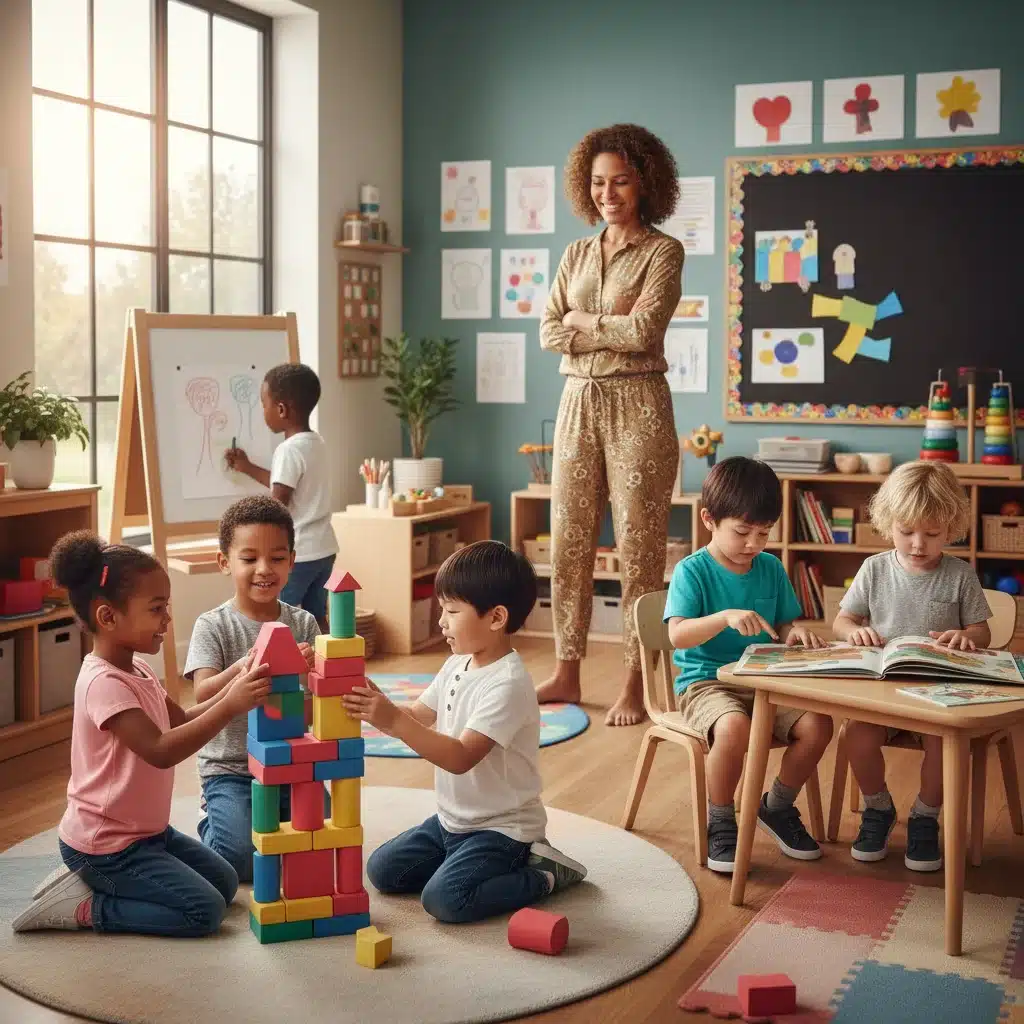
Play is not just fun; it’s fundamental to early childhood development. The new early childhood standards are expected to reinforce the importance of play-based learning, recognizing it as the primary vehicle through which young children explore, discover, and make sense of the world. Through play, children develop language skills, problem-solving abilities, creativity, and social competencies.
This includes both free play (child-initiated) and guided play (teacher-facilitated with specific learning objectives). Parents will likely see more opportunities for hands-on exploration, imaginative scenarios, and constructive play in classrooms. At home, providing ample time and space for unstructured play, with a variety of open-ended materials, will be crucial for reinforcing these early childhood standards.
4. Emphasis on Foundational Literacy and Numeracy Skills
While the approach may be integrated and play-based, the new early childhood standards will continue to prioritize the development of strong foundational literacy and numeracy skills. This includes phonological awareness, phonics, vocabulary development, comprehension, number sense, counting, basic arithmetic, and spatial reasoning. The difference lies in how these skills are taught – through engaging, developmentally appropriate methods rather than abstract drills.
Parents can support this by reading aloud regularly, engaging in conversations, pointing out letters and numbers in the environment, and incorporating counting and simple math into daily routines. These early experiences lay the groundwork for more complex academic learning in later years, aligning with the core intent of the new early childhood standards.
5. Promoting Equity and Inclusivity
A significant aspect of modern educational reform is ensuring that all children, regardless of their background, abilities, or circumstances, have access to high-quality early learning experiences. The 2026 early childhood standards will likely embed principles of equity and inclusivity, advocating for culturally responsive teaching practices, support for children with diverse learning needs, and resources for families from various socioeconomic backgrounds.
This means classrooms will strive to be environments where every child feels valued, understood, and supported. For parents, it’s an opportunity to ensure that their child’s learning environment respects and celebrates diversity, and to advocate for inclusive practices if they notice gaps. Understanding these early childhood standards helps parents identify high-quality programs.
What These Changes Mean for Parents
The introduction of new early childhood standards brings both exciting opportunities and potential adjustments for parents. Here’s a breakdown of what you can expect and how to prepare:
1. A Shift in Assessment and Reporting
With a broader focus on holistic development, assessment methods in early childhood education are likely to evolve. You might see less emphasis on standardized testing for young children and more on observational assessments, portfolios of work, and ongoing communication between parents and teachers. These approaches provide a more nuanced picture of a child’s progress across various developmental domains, reflecting the new early childhood standards.
Parents should expect more detailed reports on their child’s social-emotional growth, problem-solving skills, and creative expression, alongside traditional academic progress. This shift encourages a more collaborative approach to understanding your child’s learning journey.
2. Greater Emphasis on Parent-Teacher Partnerships
Effective early childhood education relies heavily on a strong partnership between home and school. The new early childhood standards will likely reinforce the importance of this collaboration. Teachers will be encouraged to communicate regularly with parents about curriculum goals, classroom activities, and individual child progress. Parents, in turn, will be seen as vital partners in reinforcing learning at home.
Be prepared for more opportunities to engage with your child’s educators, attend workshops, and receive resources that help you support the curriculum at home. Active participation in school events and open communication channels will be key to maximizing the benefits of the new early childhood standards.
3. Potential for Curriculum Adjustments in Local Schools
While the new early childhood standards will provide a national framework, individual states, districts, and even schools will have some flexibility in how they interpret and implement them. This means that the specific learning activities and materials used in your child’s preschool or kindergarten might see adjustments. It’s important to stay informed about local school policies and curriculum choices.
Don’t hesitate to ask your child’s school or daycare provider about their plans for adopting the new early childhood standards. Understanding their approach will help you align your home learning environment with what your child experiences in school.
4. Increased Focus on Early Intervention and Support
With a more comprehensive understanding of child development embedded in the new early childhood standards, there will likely be an increased focus on early identification of developmental delays or learning challenges. This proactive approach aims to provide timely interventions and support services, ensuring that all children have the opportunity to succeed.
Parents should feel comfortable discussing any concerns they have about their child’s development with educators and healthcare providers. The new standards are designed to create a more supportive system that addresses individual needs early on.

Practical Ways Parents Can Support the New Early Childhood Standards
Empowering your child to thrive under the new early childhood standards involves more than just knowing what they are; it requires active engagement. Here are practical strategies you can implement at home:
1. Foster a Language-Rich Environment
Reading aloud daily is paramount. Engage in conversations, ask open-ended questions, and encourage your child to express their thoughts and feelings. Point out words, letters, and numbers in everyday settings. Sing songs, recite rhymes, and tell stories. A rich linguistic environment directly supports literacy development, a key component of the new early childhood standards.
2. Encourage Independent and Imaginative Play
Provide opportunities for unstructured play with open-ended toys like blocks, art supplies, dress-up clothes, and natural materials. Let your child lead the play, even if it seems messy or illogical to you. This fosters creativity, problem-solving, and social-emotional skills. Resist the urge to over-schedule or direct every moment of their play. Free play is essential for reinforcing the early childhood standards.
3. Integrate Learning into Daily Routines
Learning doesn’t just happen at school. Involve your child in everyday tasks: counting ingredients while cooking, sorting laundry by color, discussing shapes of objects around the house, or talking about the weather. These real-world applications make learning relevant and reinforce concepts taught under the new early childhood standards.
4. Prioritize Social-Emotional Development
Help your child identify and label their emotions. Teach them healthy coping mechanisms and problem-solving skills for social situations. Model empathy and kindness. Encourage sharing, taking turns, and cooperating with others. These skills are foundational to the new early childhood standards and will benefit them throughout their lives.
5. Be an Advocate and Communicator
Stay informed about your child’s school or program and its implementation of the new early childhood standards. Attend parent-teacher conferences, ask questions, and share insights about your child’s learning style and interests. If you have concerns, communicate them openly and constructively with educators. Your active involvement is invaluable.
6. Limit Screen Time and Promote Active Exploration
While educational apps can have a place, excessive screen time can detract from hands-on learning and social interaction. Encourage outdoor play, exploration of nature, and physical activity. These experiences are crucial for cognitive development, sensory integration, and overall well-being, all aspects considered within comprehensive early childhood standards.
Challenges and Considerations for the New Standards
Implementing new early childhood standards on a national scale is not without its challenges. Parents should be aware of potential hurdles and how they might impact their child’s educational experience.
1. Teacher Training and Resources
For the new early childhood standards to be effective, educators need adequate training, professional development, and resources. This includes understanding the new pedagogical approaches, assessment methods, and how to effectively integrate curriculum components. Gaps in training or resource allocation could lead to inconsistent implementation across different schools or districts. Parents might need to inquire about the professional development opportunities available to their child’s teachers.
2. Funding and Infrastructure
The successful implementation of comprehensive early childhood standards often requires significant financial investment in facilities, materials, technology, and staffing. Disparities in funding between well-resourced and under-resourced communities could exacerbate existing educational inequities. Parents in less affluent areas may need to advocate for increased support for their local early childhood programs.
3. State-Specific Adaptations
While there may be national guidelines, states retain considerable autonomy in education. This means that the 2026 early childhood standards might look slightly different from one state to another, or even within different districts in the same state. Parents who move or have children in different school systems may encounter variations in curriculum and expectations. Staying informed about your specific state’s educational department announcements will be vital.
4. Balancing Play-Based Learning with Academic Rigor
One of the ongoing debates in early childhood education is how to effectively balance play-based learning with the need to build strong academic foundations. The new early childhood standards aim for this balance, but successful execution depends on skilled educators who can seamlessly integrate learning objectives into engaging, child-led activities. Parents might observe how schools are achieving this balance and assess if it aligns with their child’s needs.

Looking Ahead: Preparing for 2026 and Beyond
The year 2026 marks a significant milestone in US early childhood education, but the journey doesn’t end there. Education is a dynamic field, and these new early childhood standards are part of an ongoing commitment to continuous improvement and adaptation. For parents, staying engaged and informed will be a continuous process.
1. Continuous Learning for Parents
As educational research advances, so too will our understanding of how children learn best. Parents should view themselves as lifelong learners in the context of their child’s education. Seek out reputable resources, attend webinars or parent workshops offered by schools or community organizations, and engage with other parents to share experiences and strategies. Being proactive in your own learning will allow you to better support the evolving early childhood standards.
2. Advocating for High-Quality ECE
Your voice as a parent is powerful. Advocate for policies and funding that support high-quality early childhood education in your community and state. This includes advocating for well-trained teachers, small class sizes, access to diverse learning materials, and inclusive environments that cater to all children. Strong parental advocacy can significantly influence the successful implementation and sustained impact of the new early childhood standards.
3. Embracing a Growth Mindset
Encourage a growth mindset in your child – the belief that abilities can be developed through dedication and hard work. This mindset is crucial for navigating new learning challenges and adapting to evolving early childhood standards. Celebrate effort and progress, not just outcomes. Help your child see mistakes as opportunities for learning, fostering resilience and a love for continuous discovery.
4. Monitoring Progress and Providing Feedback
Regularly check in with your child’s educators about their progress under the new early childhood standards. Provide constructive feedback to the school about what you observe at home and how the curriculum is resonating with your child. This open dialogue helps schools refine their approaches and ensures that the standards are meeting the needs of the children they serve.
Conclusion: A Brighter Future for Early Learners
The upcoming 2026 early childhood standards represent a pivotal moment in US education, promising a more holistic, engaging, and equitable learning experience for our youngest citizens. By understanding the core principles – social-emotional learning, integrated instruction, play-based approaches, foundational skills, and inclusivity – parents can become informed and active partners in their child’s educational journey.
While challenges in implementation may arise, the collective effort of parents, educators, and policymakers can ensure that these new standards translate into tangible benefits for every child. By fostering a supportive home learning environment, advocating for quality education, and maintaining open communication with schools, parents can confidently navigate these changes and help their children build a strong foundation for a lifetime of learning and success. The future of early childhood education is bright, and with informed engagement, we can all contribute to making it even brighter.