Maximize Public School Resources: A 2026 Guide for US Families
Maximizing Public School Resources: A 2026 Guide for US Families Seeking Academic Support
In the dynamic landscape of American education, public schools remain a cornerstone of community and a primary source of learning for millions of children. As we navigate 2026, understanding how to effectively harness the vast array of public school resources is more critical than ever for US families. Far from being just places of basic instruction, today’s public schools are hubs of opportunity, offering everything from advanced academic programs to vital social-emotional support. This comprehensive guide is designed to empower parents and guardians to fully leverage these resources, ensuring their children receive the best possible education and support.
The perception of public education can sometimes be overshadowed by headlines, but the reality on the ground is often one of innovation, dedication, and a wealth of untapped potential. Many families are simply unaware of the extensive services and programs available right within their local school district. From specialized learning plans to extracurricular activities that foster holistic development, the opportunities are abundant. Our goal is to demystify these offerings and provide actionable strategies for families to access and utilize them effectively.
This guide will delve into various facets of public school support, including academic interventions, enrichment programs, special education services, mental health resources, and community partnerships. We will explore how proactive engagement from families can unlock these benefits, transforming the educational journey for students. By the end of this article, you will have a clear roadmap to navigate your local school system and ensure your child thrives.
Understanding the Scope of Public School Resources in 2026
The modern public school is a complex ecosystem, continually evolving to meet the diverse needs of its student population. In 2026, these institutions are more than just classrooms; they are integrated community centers offering a wide spectrum of public school resources. Understanding this scope is the first step toward effective utilization.
Academic Support Systems
At the core of public education are the academic programs designed to foster intellectual growth. Beyond standard classroom instruction, schools offer:
- Tutoring and Remedial Programs: Many schools provide free tutoring services, either by teachers, peer tutors, or community volunteers. These programs are invaluable for students needing extra help in specific subjects. Remedial classes are also available for those who require more intensive support to catch up to grade level.
- Advanced Placement (AP) and International Baccalaureate (IB) Programs: For high-achieving students, these programs offer college-level coursework and the opportunity to earn college credit while still in high school. This can significantly reduce future college costs and provide a more rigorous academic experience.
- Gifted and Talented Programs: These programs cater to students who demonstrate exceptional abilities in specific areas, offering differentiated instruction and enrichment activities to challenge them appropriately.
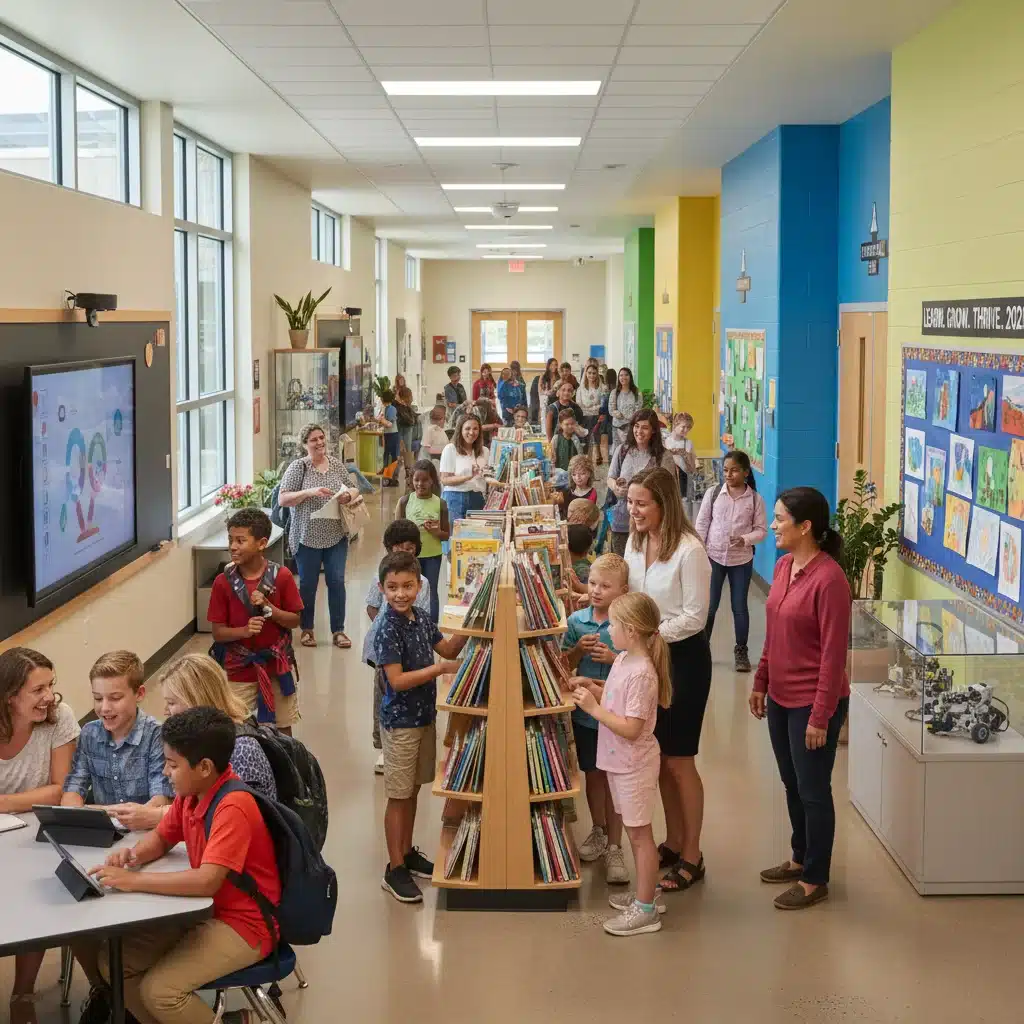
- Library and Media Centers: Modern school libraries are digital hubs, providing access to online databases, e-books, research tools, and traditional print materials. Librarians often offer workshops on research skills and digital literacy.
- Technology Resources: Access to computers, tablets, specialized software, and internet connectivity is standard in most public schools. Many districts also offer take-home device programs to ensure equitable access for all students.
Special Education and Support Services
Public schools are legally mandated to provide a free and appropriate public education (FAPE) for all students, including those with disabilities. This commitment translates into a robust system of support:
- Individualized Education Programs (IEPs) and 504 Plans: These legally binding documents outline specific accommodations, modifications, and services for students with disabilities to ensure they receive an equitable education.
- Special Education Teachers and Paraeducators: These professionals work directly with students with disabilities, often in inclusive settings or specialized classrooms, to implement IEPs and provide targeted instruction.
- Therapeutic Services: Many schools employ or contract with speech-language pathologists, occupational therapists, physical therapists, and school psychologists to address specific student needs.
- English Language Learner (ELL) Support: For students whose primary language is not English, schools offer specialized instruction and support to help them achieve English proficiency and succeed academically.
Extracurricular Activities and Enrichment
Learning extends beyond the classroom. Public schools offer a wealth of extracurricular opportunities that foster social skills, leadership, creativity, and physical health:
- Sports Teams: A wide range of athletic programs promotes physical fitness, teamwork, and discipline.
- Clubs and Organizations: From debate clubs and robotics teams to drama clubs and student government, these groups allow students to explore interests, develop new skills, and connect with peers.
- Arts Programs: Music (band, orchestra, choir), visual arts, and theater programs provide creative outlets and opportunities for performance and expression.
- After-School Programs: Many schools offer supervised after-school care, which may include academic support, recreational activities, and enrichment classes.
Proactive Strategies for Families to Access Public School Resources
Accessing the full spectrum of public school resources requires proactive engagement from families. It’s not enough to simply enroll your child; becoming an active participant in their educational journey is key.
1. Establish Strong Communication Channels
Effective communication is the bedrock of successful school-family partnerships.
- Regular Check-ins with Teachers: Don’t wait for parent-teacher conferences. Send emails, make brief phone calls, or schedule quick meetings to discuss your child’s progress, challenges, and strengths.
- Attend School Events: Back-to-School nights, open houses, and school performances are excellent opportunities to meet staff, understand school policies, and feel more connected to the school community.
- Utilize School Communication Platforms: Most schools use online portals (e.g., PowerSchool, Canvas, Google Classroom), newsletters, and social media to share important updates. Stay informed by regularly checking these platforms.
- Join Parent-Teacher Associations (PTA/PTO): These organizations are vital links between families and schools. They often fundraise for important resources, advocate for student needs, and provide opportunities for parent involvement.
2. Understand Your Child’s Needs and Advocate for Them
You are your child’s primary advocate. Being informed about their academic, social, and emotional needs will help you seek out appropriate support.
- Monitor Academic Progress: Review report cards, test scores, and homework regularly. If you notice a consistent struggle, reach out to the teacher immediately.
- Observe Social and Emotional Well-being: Pay attention to changes in your child’s mood, behavior, or friendships. Schools often have counselors, social workers, and psychologists who can provide support.
- Ask Questions: Don’t hesitate to ask about specific programs, interventions, or accommodations. If you suspect your child has a learning disability or needs extra support, ask about evaluation processes.
- Know Your Rights: Especially for students with disabilities, understanding parental rights under IDEA (Individuals with Disabilities Education Act) and Section 504 of the Rehabilitation Act is crucial.

Leveraging Academic Support and Enrichment Programs
Once you’ve established communication and identified needs, the next step is actively engaging with the academic and enrichment public school resources available.
Targeted Academic Interventions
If your child is struggling in a particular subject, inquire about:
- After-School Tutoring: Many schools offer free tutoring sessions. Ask your child’s teacher or the school administration about available programs.
- Small Group Instruction: Teachers often pull small groups of students for targeted instruction in areas where they need extra help. Understand how your child can participate.
- Academic Support Classes: Some schools offer dedicated periods or classes for students to receive additional help in core subjects.
- Online Learning Resources: Many districts subscribe to educational platforms (e.g., IXL, Khan Academy, Reading A-Z) that students can access from home. Ask for login credentials and guidance on how to use them effectively.
Enrichment Opportunities for All Students
Beyond addressing deficits, public schools also aim to foster growth and passion:
- Advanced Placement (AP) and International Baccalaureate (IB) Coordinators: If your high schooler is academically advanced, connect with these coordinators to understand the curriculum, benefits, and enrollment process.
- Gifted and Talented Program Directors: For younger students showing exceptional abilities, inquire about identification processes and program offerings.
- STEM (Science, Technology, Engineering, Math) Programs: Look for robotics clubs, coding camps, science fairs, and engineering challenges that can spark interest in these critical fields.
- Arts and Humanities: Encourage participation in school plays, music ensembles, art classes, writing workshops, and history clubs. These foster creativity, critical thinking, and cultural appreciation.
Navigating Special Education and Mental Health Resources
For families with children who have special needs or require mental health support, public schools are a crucial resource. Understanding how to access these services is paramount.
Special Education Services
If you suspect your child has a disability that impacts their learning, initiate the process:
- Request an Evaluation: You have the right to request a formal evaluation for special education services. Contact your school’s special education department or your child’s teacher to begin this process.
- Understand the IEP/504 Process: Attend all meetings, ask questions, and ensure you understand the proposed plan. Don’t be afraid to advocate for what you believe your child needs.
- Communicate with the Special Education Team: Maintain open lines of communication with special education teachers, therapists, and case managers.
- Explore Parent Advocacy Groups: Many non-profit organizations offer support, resources, and advocacy services for families of children with disabilities.
Mental Health and Wellness Support
Student mental health is a growing concern, and schools are increasingly offering vital services:
- School Counselors: They provide academic guidance, social-emotional support, and crisis intervention. They can also connect families with external mental health professionals.
- School Psychologists: These professionals conduct assessments, provide counseling, and consult with teachers and parents on behavioral and learning issues.
- School Social Workers: They bridge the gap between home, school, and community, addressing barriers to student success such as housing instability, food insecurity, or family crises.
- Referral Services: If the school cannot provide the necessary level of support, they can often refer families to community-based mental health clinics, therapists, and support groups.
- SEL (Social-Emotional Learning) Programs: Many schools integrate SEL into their curriculum, teaching students skills like self-awareness, self-management, social awareness, relationship skills, and responsible decision-making.
Community Partnerships and Extended Learning Opportunities
Public schools often serve as a gateway to broader community public school resources and extended learning opportunities. These partnerships can significantly enhance a child’s educational experience.
Leveraging Community Connections
- After-School Programs and Community Centers: Schools often partner with local Boys & Girls Clubs, YMCAs, and other community organizations to provide affordable after-school care, tutoring, and enrichment.
- Public Libraries: School libraries often collaborate with public libraries, which offer free books, digital resources, tutoring, workshops, and summer reading programs.
- Local Businesses and Universities: Some schools have partnerships that offer mentorship programs, internships, career exploration events, or access to specialized facilities.
- Health and Wellness Clinics: Schools may partner with local health departments or clinics to offer vision, hearing, dental screenings, or vaccination clinics.
Family and Parent Education
Many schools and districts offer resources specifically for parents:
- Parent Workshops: Topics can range from navigating adolescence, understanding new curricula, internet safety, to supporting learning at home.
- Family Literacy Programs: These programs help parents improve their own literacy skills while also learning strategies to support their children’s reading development.
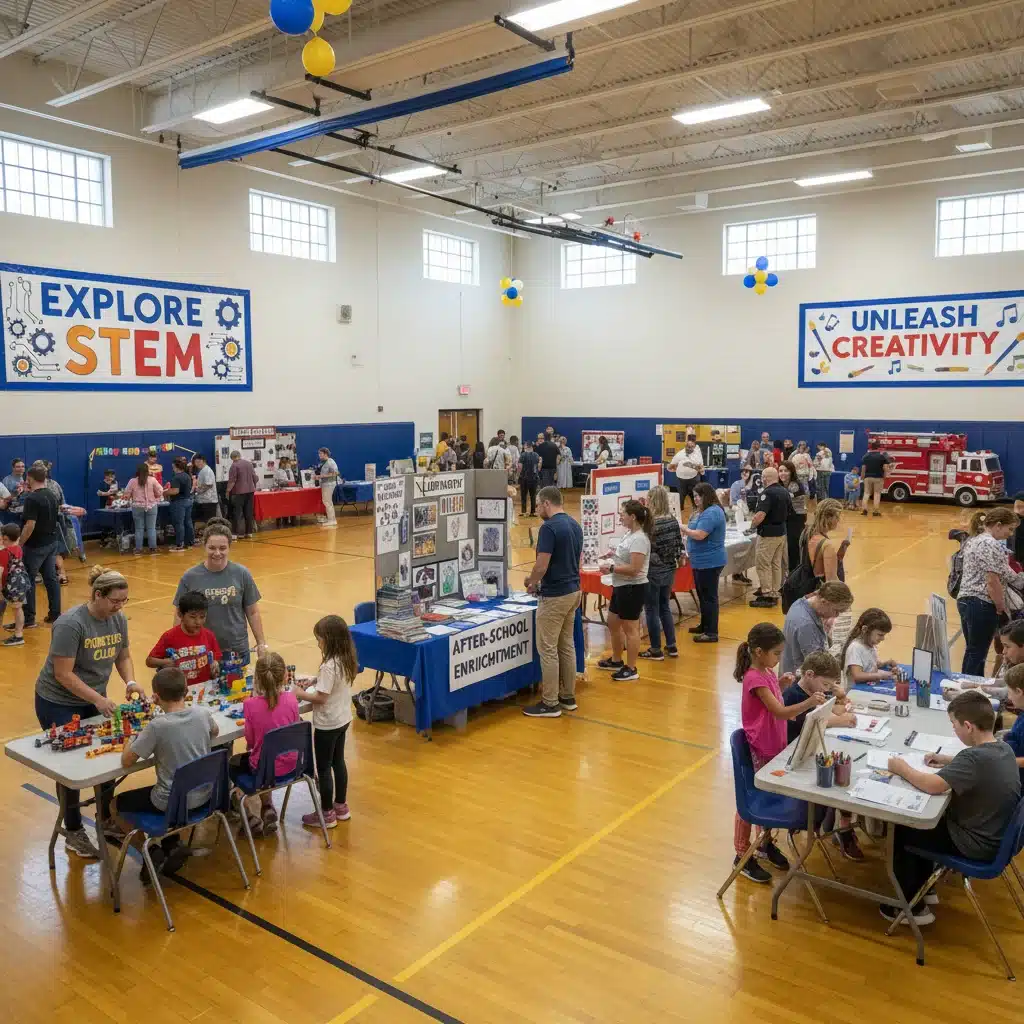
- Community Resource Fairs: Schools often host events where local organizations, social services, and educational programs set up booths to inform families about available support.
Overcoming Barriers to Accessing Public School Resources
While public school resources are abundant, families can face challenges in accessing them. Understanding and addressing these barriers is crucial.
Language and Cultural Barriers
- Translation Services: Schools are often required to provide translators for meetings and translate important documents. Request these services if needed.
- Bilingual Staff: Many schools employ bilingual staff members who can help bridge communication gaps.
- Cultural Liaisons: Some districts have cultural liaisons who can help families navigate the school system and understand cultural nuances.
Information Overload and Lack of Awareness
- Ask for a Resource Guide: Inquire if the school or district has a compiled guide of available services.
- Connect with Other Parents: Parent networks can be invaluable for sharing information and tips.
- Utilize School Websites: Most school and district websites have dedicated sections for parent resources.
Time Constraints and Work Schedules
- Flexible Meeting Times: Don’t hesitate to ask if meetings can be scheduled at more convenient times, or if virtual meetings are an option.
- Volunteer Opportunities: If you can’t volunteer during school hours, ask about ways to contribute from home or during evenings/weekends.
- Delegate: If possible, involve other trusted family members or guardians in school communications and meetings.
The Future of Public School Resources: What to Expect in 2026 and Beyond
As we look beyond 2026, public schools will continue to evolve, with an increasing focus on personalized learning, digital literacy, and holistic student well-being. Families can expect to see:
- Increased Integration of AI and Adaptive Learning: Technology will play an even larger role in tailoring instruction to individual student needs and providing real-time feedback.
- Expanded Mental Health Services: A continued emphasis on student mental health will likely lead to more on-site counselors, social workers, and partnerships with community mental health providers.
- Stronger Community-School Partnerships: Schools will likely deepen their ties with local businesses, non-profits, and higher education institutions to offer more diverse learning and career pathways.
- Focus on 21st-Century Skills: Beyond traditional academics, there will be a greater emphasis on critical thinking, creativity, collaboration, and communication – skills essential for future success.
- Equity and Access: Efforts to ensure all students, regardless of background or ability, have equitable access to high-quality education and resources will remain a top priority.
Conclusion: Empowering Your Child Through Public School Resources
Navigating the public school system in 2026 can seem daunting, but it is also filled with immense opportunities. By understanding the breadth of public school resources available, proactively engaging with school staff, and advocating for your child’s unique needs, you can unlock a world of support and enrichment. Public schools are designed to serve all students, and with informed participation, families can ensure their children not only succeed academically but also develop into well-rounded, confident individuals ready to face the future.
Remember, your child’s education is a partnership between home and school. By actively participating in this partnership, you become an invaluable asset to their learning journey, helping them to fully benefit from every resource their public school has to offer. Start today by reaching out to your child’s teacher, exploring your school’s website, or attending the next school event. The resources are there – it’s up to us, as families, to seize them.